
Aquarium Showstopper: How Arowana Can Transform Your Underwater Habitat
The world of aquariums is vast and varied, filled with countless species that captivate the hearts and imaginations of enthusiasts. Among the most majestic and intriguing inhabitants of aquatic habitats are the arowanas. Known for their striking appearance and regal demeanor, arowanas have long been revered in various cultures around the world. This article delves into the unique characteristics, historical significance, and care requirements of these magnificent fish, providing guidance for both novice and experienced aquarists.
Majestic Presence and Unique Characteristics
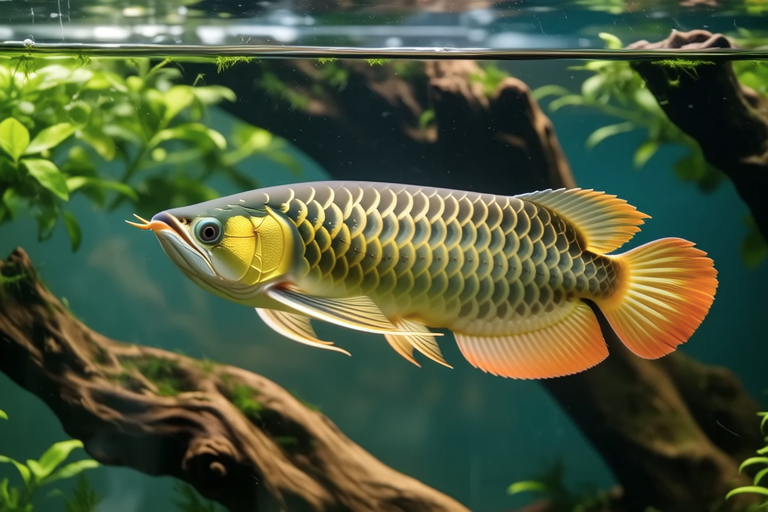
Arowanas, also known as dragonfish due to their elongated bodies and bony dorsal fins, possess an unmistakable presence in any aquarium. Their sleek, silver scales shimmer under light, creating an iridescent effect that draws the eye. These fish can grow up to three feet in length, making them a formidable addition to larger tanks. One of their most notable features is their ability to leap out of the water to catch insects or small birds, a behavior that has earned them the nickname “jewels of the Amazon.”
Not only are they visually stunning, but arowanas are also highly intelligent and social creatures. They exhibit complex behaviors and have been observed interacting with their surroundings in fascinating ways. Their intelligence and adaptability make them a joy to watch and study.
Historical Significance and Myths
The allure of arowanas extends far beyond their physical beauty. In many Asian cultures, particularly in China and Malaysia, these fish hold significant cultural and spiritual value. Legends abound, often associating arowanas with good fortune and prosperity. It is believed that keeping arowanas brings wealth and success to one’s home or business. The fish are sometimes referred to as “dragonfish” because of their resemblance to mythical dragons, further enhancing their mystique.
In addition to their symbolic importance, arowanas have played a role in conservation efforts. Due to overfishing and habitat destruction, several species of arowana are now endangered. Recognizing this, some countries have implemented strict regulations to protect these fish, highlighting their ecological significance.
Housing Requirements
Tank Size and Water Conditions
Given their size and active nature, arowanas require spacious tanks. A minimum tank size of 200 gallons is recommended for a single adult arowana. Larger tanks are preferable to accommodate their swimming patterns and provide ample space for hiding spots and decorations.
Water quality is crucial for the health and well-being of arowanas. They prefer slightly acidic water with a pH range of 6.5 to 7.0. Maintaining stable water temperature between 78°F and 84°F is essential. Regular water changes and proper filtration systems are necessary to ensure clean and healthy living conditions.
Diet and Feeding
Arowanas are carnivorous and require a balanced diet consisting of high-quality pellets, live or frozen foods such as feeder fish, shrimp, and worms. Providing a variety of food items ensures they receive all necessary nutrients. Feeding once or twice daily is sufficient, but care must be taken not to overfeed, which can lead to poor water quality and health issues.
Optimal Habitat Setup
To showcase the beauty of your arowana, it’s important to create an aesthetically pleasing and functional environment. Begin by selecting appropriate substrates that won’t scratch the fish’s delicate scales. Smooth gravel or sand is ideal. Decorations such as driftwood, rocks, and plants can add visual interest and provide hiding spots. However, avoid sharp or abrasive materials that could harm the fish.
Proper lighting is key to bringing out the vibrant colors of arowanas. LED lights with adjustable color temperatures can simulate natural daylight and enhance the overall ambiance of the tank. Additionally, incorporating gentle water flow simulates their natural habitat and promotes healthy circulation.
Cohabitation and Challenges
When considering tankmates for your arowana, it’s important to choose species that can coexist peacefully. Arowanas are generally peaceful towards other fish but may become territorial if their space is invaded. Compatible tankmates include large, robust species such as oscars, plecos, and large catfish. Avoid smaller, more delicate fish that could become prey.
Potential challenges include maintaining water quality and preventing aggression. Regular monitoring of water parameters and prompt action when issues arise are crucial. Implementing a robust filtration system and performing regular water changes help mitigate these risks. Additionally, providing ample hiding spots and ensuring adequate space can reduce stress and minimize aggressive behavior.
Emotional and Aesthetic Impact
Owning an arowana can be a deeply rewarding experience for aquarium enthusiasts. Their majestic presence and unique characteristics bring a sense of wonder and awe to any underwater habitat. Watching them glide through the water or leap out of the tank can evoke feelings of admiration and excitement. For many aquarists, these fish symbolize elegance and grace, adding a touch of luxury to their homes.
Moreover, the emotional connection formed with arowanas goes beyond mere aesthetics. Caring for these intelligent and sensitive creatures fosters a sense of responsibility and stewardship. The bond between owner and fish can be profound, creating lasting memories and experiences.