
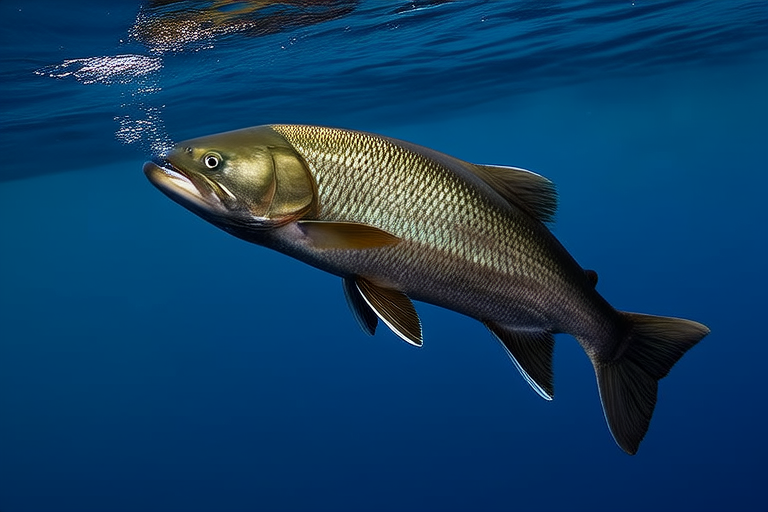
From River to Tank: The Majestic World of Arowana
The arowana, also known as the dragonfish, is a species that captivates the imagination with its regal presence and ancient lineage. Originating from the rivers of Southeast Asia, South America, and Africa, these fish have been revered for centuries for their beauty and mythical qualities. This article delves into the fascinating world of arowanas, exploring their historical significance, natural habitats, physical attributes, behavior, dietary needs, and the challenges of keeping them as pets. We will also discuss the conservation efforts and the responsibility that comes with owning such a majestic creature.
Historical Significance and Cultural Value
Arowanas hold significant cultural and historical importance across various regions. In China, they are considered symbols of good fortune and prosperity, often associated with the mythical dragon. Their resemblance to dragons has made them popular in Feng Shui practices, where they are believed to bring wealth and protection to households. Similarly, in Malaysia and Indonesia, arowanas are seen as harbingers of luck and are often kept in homes or given as gifts during auspicious occasions. The fish’s cultural significance extends beyond mere symbolism; they are also admired for their striking appearance and unique behaviors.
Natural Habitat
In the wild, arowanas thrive in the warm, slow-moving rivers of tropical regions. They prefer murky waters with plenty of vegetation and hiding spots. These conditions provide them with ample cover and food sources. Arowanas are primarily found in freshwater environments, including blackwater rivers, floodplains, and estuaries. Their ability to leap out of the water to catch insects and small birds adds to their mystique and makes them a marvel to observe in their natural habitat.
Adapting to aquarium life, arowanas require spacious tanks that mimic their natural environment. The ideal setup includes a large tank with a filtration system capable of handling high levels of waste. Arowanas need ample swimming space and hiding places, such as caves or dense plantings, to feel secure. The water temperature should be maintained between 78°F and 84°F (25°C to 29°C), with a pH level around 6.0 to 7.5. Regular water changes and maintenance are crucial to ensure the health of the fish.
Physical Characteristics and Behavior
Arowanas are characterized by their elongated bodies, sleek scales, and powerful jaws filled with sharp teeth. Their eyes are large and expressive, giving them a watchful and intelligent appearance. Depending on the species, arowanas can grow up to four feet long, making them one of the largest freshwater fish available to hobbyists. Their colors vary from metallic silver to deep green, with some species displaying vibrant red or gold hues.
Behaviorally, arowanas are active and curious, often displaying a playful nature. They are known for their jumping abilities, which they use to catch prey above the water surface. This behavior requires careful attention when setting up their aquariums, as they can easily injure themselves against glass or decorations. Arowanas are generally peaceful but can become territorial if overcrowded or stressed. Proper socialization and space allocation are essential for maintaining a harmonious tank environment.
Dietary Needs
Arowanas are carnivorous and require a diet rich in protein. In the wild, their diet consists of insects, crustaceans, smaller fish, and even small birds. In captivity, they should be fed a varied diet of live or frozen foods, such as feeder fish, shrimp, and worms. High-quality pellets designed for predatory fish can also be included in their diet to ensure balanced nutrition. It is important to avoid overfeeding, as this can lead to health issues and poor water quality.
Challenges and Considerations for Pet Ownership
Keeping arowanas as pets presents several challenges. One of the primary concerns is legality. Many countries regulate the trade of arowanas due to their endangered status. For example, in Singapore, only certain species are allowed, and permits are required for possession. In the United States, specific states prohibit the importation and sale of arowanas to prevent the spread of invasive species. Before acquiring an arowana, potential owners must research and comply with local laws.
Tank requirements are another significant consideration. Arowanas need a large tank with ample space for swimming and exploration. A minimum tank size of 125 gallons is recommended for a single adult arowana, with additional space for each additional fish. The tank should be equipped with robust filtration and heating systems to maintain optimal water conditions. Additionally, a secure lid is necessary to prevent the fish from leaping out.
Proper care involves regular monitoring of water parameters and providing a balanced diet. Owners should be prepared for the long-term commitment, as arowanas can live up to 20 years or more. Patience and dedication are key to ensuring the well-being of these magnificent creatures.
Conservation Status and Responsible Ownership
The conservation status of arowanas varies by species. Some populations are listed as vulnerable or endangered due to habitat destruction and overfishing. Efforts to protect these species include breeding programs and regulations on international trade. Responsible pet ownership plays a crucial role in conservation by promoting sustainable practices and raising awareness about the importance of preserving these iconic fish.
Owners can contribute to conservation by supporting reputable breeders who adhere to ethical standards. By choosing captive-bred arowanas over wild-caught specimens, enthusiasts help reduce pressure on wild populations. Additionally, educating others about the challenges faced by arowanas and the importance of responsible care can inspire a broader commitment to conservation.
In conclusion, the arowana is a species that combines beauty, history, and ecological importance. From the rivers of Southeast Asia to the tanks of dedicated hobbyists, these fish continue to captivate and inspire. By understanding their needs and embracing the responsibilities of ownership, we can ensure that future generations will have the opportunity to appreciate the majesty of the arowana.