
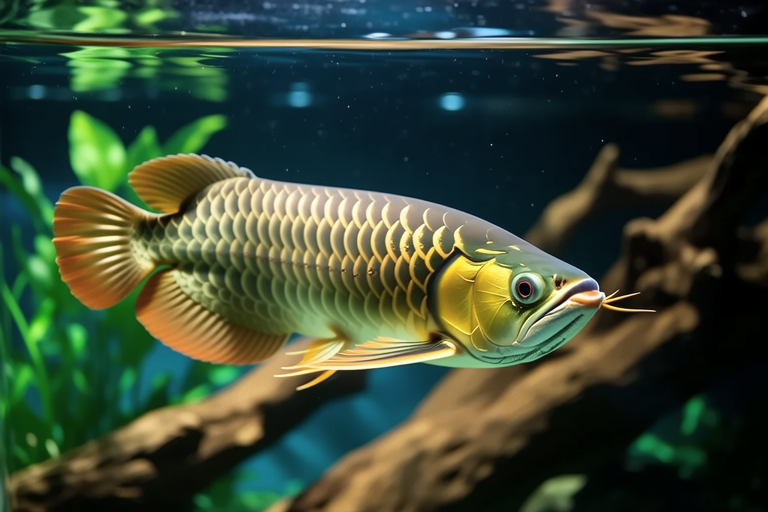
Arowana Enthusiast’s Dream: Tips for Thriving Arowana Care
Welcome to the world of arowanas, one of the most captivating and majestic freshwater fish species. Known for their unique characteristics, these fish have fascinated aquarists for decades. With their elongated bodies, metallic scales, and impressive jumping abilities, arowanas are not just a beautiful addition to any aquarium; they are also highly intelligent and interactive creatures. This comprehensive guide will provide you with all the essential information needed to ensure your arowana thrives in its new home. From optimal tank setups to dietary requirements and disease prevention, we will cover everything you need to know about arowana care.
Understanding Arowanas: Unique Characteristics
Arowanas belong to the family Osteoglossidae and are native to Asia, South America, and Africa. They are known for their large size, which can range from 60 cm to over 90 cm depending on the species. The most popular varieties include the Asian arowana (Scleropages formosus), silver arowana (Osteoglossum bicirrhosum), and black arowana (Scleropages legendrei). One of the most striking features of arowanas is their ability to leap out of the water to catch prey, making them excellent predators. Their eyes are positioned high on their heads, giving them a broad field of vision, and their powerful pectoral fins allow them to glide through the water effortlessly.
These fish are highly intelligent and can recognize their owners, making them an engaging companion for aquarists. However, their intelligence also means they require a stimulating environment and proper care to thrive. Understanding the unique needs of arowanas is crucial for providing them with a healthy and enriching life in captivity.
Optimal Tank Setup
Creating the perfect habitat for your arowana is the first step towards ensuring its well-being. Arowanas are large fish that require ample space to swim freely. As a general rule, a tank size of at least 75 gallons per inch of fish length is recommended. For adult arowanas, a tank measuring 12 feet long by 4 feet wide by 3 feet deep is ideal. This ensures there is enough room for the fish to move around and prevents stress caused by overcrowding.
In terms of filtration, arowanas produce a significant amount of waste, so a high-quality external filter is essential. The filter should be capable of handling at least four times the volume of the tank per hour. Additionally, a sump system can help maintain water quality and reduce the risk of overflows. Arowanas prefer calm waters, so avoid overly strong currents in the tank.
Substrate selection is another important aspect of tank setup. Many aquarists opt for smooth, non-abrasive gravel or sand as the substrate. Avoid sharp or rough substrates that could potentially damage the arowana’s sensitive underbelly. Decorations such as driftwood, rocks, and plants can enhance the tank’s aesthetic appeal while also providing hiding spots and resting areas for the fish. Ensure that all decorations are securely placed to prevent accidents.
Water Parameters Crucial for Their Health
Maintaining the right water conditions is vital for the health and longevity of your arowana. Arowanas are tropical fish that thrive in warm, slightly acidic water. The ideal temperature range is between 78°F and 84°F (25°C to 29°C). To achieve this, use a reliable heater and monitor the temperature regularly. A stable pH level between 6.5 and 7.5 is recommended, although some species may prefer slightly more acidic conditions. Regular testing with a pH meter is necessary to ensure consistency.
Ammonia and nitrite levels should always be kept at zero, as even low concentrations can be harmful to arowanas. Nitrate levels should be maintained below 20 ppm. To achieve this, perform regular water changes, typically 20-30% every week, and ensure efficient biological filtration. Additionally, maintaining a stable oxygen level is crucial, especially given the large size of arowanas. Use an air pump and diffuser to increase surface agitation and ensure adequate oxygenation.
Diet Specifics
Arowanas are carnivorous and require a varied diet to meet their nutritional needs. In the wild, they feed on insects, small fish, crustaceans, and other aquatic creatures. In captivity, a balanced diet should consist of high-quality pellets, frozen or live foods, and occasional treats. High-protein pellets specifically formulated for large predatory fish are a good staple food. These pellets should be soaked briefly before feeding to prevent potential blockages.
Frozen or live foods, such as brine shrimp, bloodworms, and krill, can be offered as supplements to mimic the arowana’s natural diet. Feeding live food occasionally can also help stimulate their hunting instincts. However, it is essential to ensure that live food is sourced from reputable suppliers to avoid introducing parasites or diseases into the tank. Overfeeding should be avoided, as it can lead to poor water quality and health issues. Feed your arowana two to three times a day, offering only what they can consume within five minutes.
Common Diseases to Watch Out For
Despite their hardiness, arowanas can still be susceptible to various health issues if not cared for properly. One of the most common problems is ich, a parasitic infection that manifests as white spots on the fish’s body. Another frequent issue is fin rot, characterized by frayed or disintegrating fins. Both conditions can be treated with appropriate medications available at pet stores, but early detection and prompt action are crucial.
Swim bladder disorders, where the fish has difficulty swimming upright, can also occur due to overfeeding or poor water quality. Adjusting the diet and improving water conditions often resolve these issues. Regular monitoring of your arowana’s behavior and appearance can help identify potential health problems early on. If you notice any unusual symptoms, consult with a veterinarian specializing in exotic fish for proper diagnosis and treatment.
Regular Maintenance and Its Importance
Regular maintenance is key to keeping your arowana healthy and happy. Performing routine water changes, cleaning filters, and checking equipment are all part of maintaining a stable environment. Water changes should be done weekly, removing 20-30% of the water and replacing it with fresh, conditioned water. This helps dilute harmful substances and replenish essential minerals.
Cleaning the filter regularly is equally important to prevent clogs and ensure efficient filtration. Check for any signs of wear and tear in the tank equipment and replace parts as needed. Regularly inspect the tank for algae growth and remove it promptly to maintain clarity. Consistent maintenance not only improves water quality but also reduces the risk of disease outbreaks. By staying proactive with maintenance, you can create a stable and thriving environment for your arowana.
Interacting with Your Arowana
Interacting with your arowana can significantly enhance its quality of life. Arowanas are intelligent and responsive, and they can learn to associate their owner’s presence with feeding time. Gently tapping on the tank glass can signal mealtime, and over time, your arowana may come to the front of the tank when it hears your approach. This interaction not only strengthens the bond between you and your fish but also provides mental stimulation.
To further engage your arowana, consider incorporating enrichment activities into its daily routine. Floating prey items, such as feeder fish, can stimulate its hunting instincts. Providing toys, like floating balls or moving objects, can also encourage physical activity and mental engagement. Remember to introduce new elements gradually to avoid overwhelming the fish. By fostering positive interactions, you can create a more fulfilling and enjoyable experience for both you and your arowana.
Conclusion
Raising arowanas requires dedication, knowledge, and attention to detail. From setting up the perfect tank to maintaining optimal water conditions and providing a nutritious diet, each aspect plays a crucial role in ensuring the health and happiness of these magnificent creatures. By following the tips outlined in this guide, you can create an enriching environment that allows your arowana to thrive. Whether you’re a seasoned aquarist or a beginner, caring for arowanas can be a rewarding and fascinating endeavor. Embrace the challenge, and enjoy the journey of nurturing these incredible fish.