
The Ultimate Guide: Betta Care Tips Every Owner Should Know
Welcome to the world of betta fish care! Betta fish, also known as Siamese fighting fish, are popular pets due to their vibrant colors and flowing fins. However, despite their reputation as low-maintenance fish, bettas require specific care to thrive. This comprehensive guide will cover everything you need to know to keep your betta healthy and happy.
Proper Tank Setup
The first step in betta care is setting up a suitable tank. Bettas need at least two gallons of water to live comfortably. A larger tank (three to five gallons) is ideal for more space and easier maintenance. The tank should have a secure lid, as bettas are excellent jumpers.
Substrate, or the material that lines the bottom of the tank, can be gravel, sand, or even aquarium-safe substrate mats. Choose a size that won’t get stuck in your betta’s gills. Decorations like plants, caves, and driftwood provide hiding spots and enhance the tank’s aesthetic appeal. Ensure all decorations are safe and smooth to prevent injuries.
Water Parameters
Maintaining appropriate water conditions is crucial for betta health. Ideal water temperature ranges from 76°F to 82°F (24°C to 28°C). Use a heater if necessary to maintain this range. Water pH should be between 6.5 and 7.5, with hardness levels of 5 to 19 dGH. Test kits can help monitor these parameters.
Adequate filtration is essential but avoid overly strong filters, which can stress bettas. Instead, opt for gentle sponge filters or internal filters. Regular water changes—about 25% weekly—are necessary to remove waste and toxins. Always treat tap water with a conditioner to eliminate chlorine and chloramines before adding it to the tank.
Feeding Guidelines
Bettas are carnivorous and require a diet rich in protein. Feed them high-quality betta pellets, freeze-dried bloodworms, or frozen brine shrimp. Avoid overfeeding; bettas should eat only what they can consume in two minutes. Uneaten food can pollute the water, so remove any leftovers promptly.
Vary their diet occasionally with treats like mosquito larvae or small pieces of cooked peas. These additions provide essential nutrients and prevent boredom. Feeding twice daily is sufficient for most bettas.
Maintaining Water Quality
Regular water testing and maintenance are vital. Monitor ammonia, nitrite, and nitrate levels regularly. Ammonia and nitrite should always read zero, while nitrates should be kept below 20 ppm. High nitrate levels indicate insufficient water changes or overstocking.
Perform partial water changes every week, removing about 25% of the water and replacing it with fresh, conditioned water. This process helps maintain stable water parameters and prevents the buildup of harmful substances.
Suitable Tank Mates
Contrary to popular belief, bettas can coexist with other fish under certain conditions. However, avoid aggressive species or those with long fins, as bettas may view them as rivals. Compatible tank mates include small, peaceful species like harlequin rasboras, ember tetras, and kuhli loaches.
Always introduce new fish gradually to minimize stress. Keep in mind that overcrowding can lead to increased aggression and poor water quality. It’s best to keep one betta per tank unless you’re experienced with community setups.
Common Health Issues
Like all fish, bettas can suffer from various health problems. Common ailments include fin rot, ich, dropsy, and swim bladder disorders. Fin rot manifests as frayed or discolored fins and is often caused by poor water quality. Ich appears as white spots on the body and fins and is treated with medication.
Dropsy causes bloating and lethargy and requires immediate attention. Swim bladder disorders affect buoyancy and can result from constipation or bacterial infections. If you notice any unusual behavior or physical changes, consult a veterinarian specializing in exotic animals.
Signs of a Healthy Betta
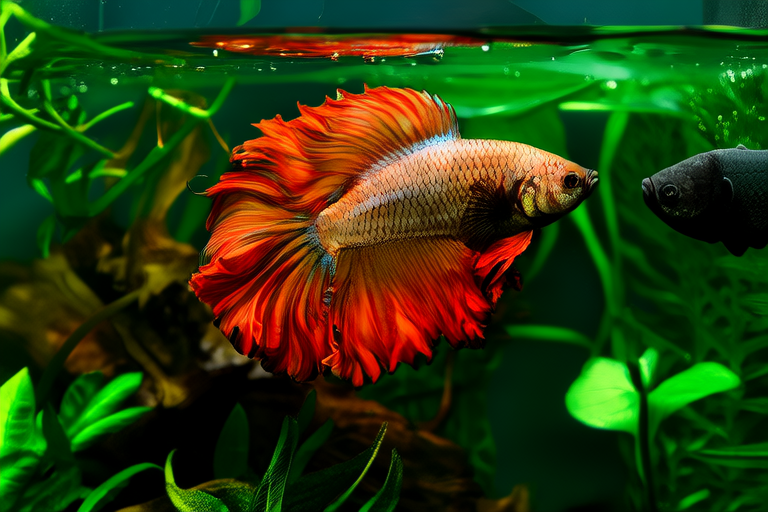
A healthy betta displays vibrant colors, active swimming patterns, and clear eyes. Their fins should be intact and free from damage. They should show interest in food and exhibit normal behaviors like darting and exploring. Regularly observe your betta for any signs of distress or illness.
Debunking Common Myths
One prevalent myth is that bettas can survive in small containers like bowls or vases. While bettas can tolerate small spaces temporarily, they thrive in larger tanks with proper filtration and oxygenation. Another misconception is that males and females can live together without issue. In reality, male bettas are highly territorial and will fight with each other.
Lastly, some believe that bettas don’t require a filter. While bettas can survive without a filter in a well-maintained tank, filtration significantly improves water quality and reduces maintenance efforts.
Conclusion
Caring for betta fish involves more than just providing food and water. By following these guidelines, you’ll ensure your betta lives a long, healthy life. Remember, every betta is unique, so pay close attention to individual needs and preferences. With proper care, your betta will reward you with years of companionship and beauty.