
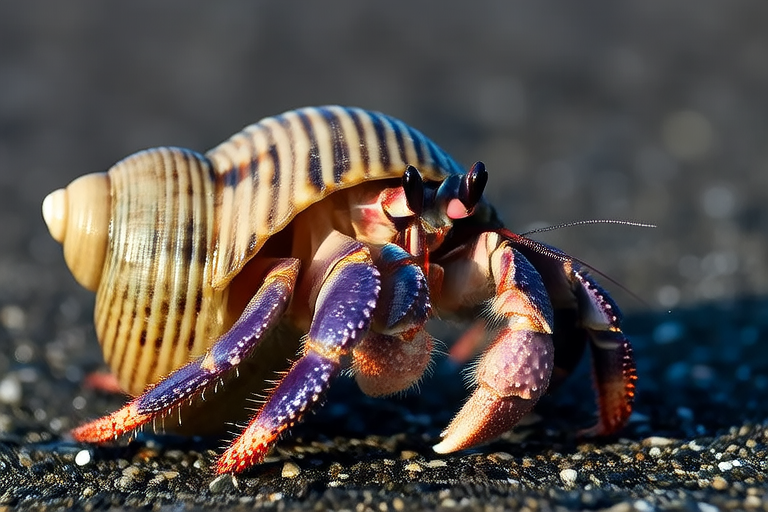
Unlocking the Secrets Behind Hermit Crab Shells and Why They Matter
Hermit crabs are fascinating creatures known for their unique relationship with shells. These small crustaceans have evolved to rely on empty mollusk shells for protection, making them an intriguing subject in marine biology. Understanding the natural history of hermit crabs and their dependence on shells provides valuable insights into their survival strategies and the broader marine ecosystem.
The Natural History of Hermit Crabs
Hermit crabs belong to the superfamily Paguroidea, comprising over 1,000 species found in various marine environments worldwide. Unlike most crabs, hermit crabs lack a hard exoskeleton to protect their soft abdomens. Instead, they inhabit discarded gastropod shells, creating a mobile fortress that shields them from predators and harsh environmental conditions. This adaptation has been crucial for their survival throughout millions of years of evolution.
Selecting and Adapting Shells
When it comes to selecting a shell, hermit crabs are meticulous. They carefully examine potential homes, assessing size, shape, and fit. The ideal shell must provide ample space for the crab’s growing body while ensuring a snug fit to prevent water loss. Once a suitable shell is found, the crab moves in and modifies its new home to suit its needs. Some species even decorate their shells with algae or small stones, enhancing camouflage and protection.
As hermit crabs grow, they outgrow their shells and must find larger ones. This process, known as molting, is critical for their development. During molting, the crab sheds its old exoskeleton and grows a new one. It then seeks a more spacious shell to accommodate its expanded body. The search for a new home can be challenging, especially when suitable shells are scarce.
The Impact of Environmental Changes on Shell Availability
Environmental factors such as pollution, coastal development, and climate change significantly affect shell availability for hermit crabs. Pollution can damage the habitats of mollusks, reducing the number of available shells. Coastal development often leads to the destruction of mangrove forests and coral reefs, vital breeding grounds for gastropods. Climate change exacerbates these issues by altering ocean temperatures and acidity levels, further impacting mollusk populations.
These environmental challenges highlight the need for conservation efforts to protect hermit crabs and their habitats. By addressing these threats, we can ensure the continued availability of shells for these remarkable creatures.
The Importance of Shells for Survival
Shells play a crucial role in hermit crab survival, providing protection from predators and harsh environmental conditions. The thick, calcified walls of gastropod shells offer excellent defense against biting and clawing predators. Additionally, shells help regulate moisture and temperature, creating a stable internal environment for the crab.
Moreover, shells contribute to the crab’s ability to maintain buoyancy and stability while moving through water. This feature is particularly important for hermit crabs living in intertidal zones, where they must navigate between high and low tides. Without proper shells, hermit crabs would be vulnerable to dehydration, predation, and environmental stressors, compromising their chances of survival.
Symbiotic Relationships Within Shells
Hermit crabs often share their shells with other organisms, forming mutually beneficial relationships. For example, some species of sea anemones attach themselves to the exterior of the shell, providing additional protection for the crab. In return, the anemone benefits from the mobility offered by the crab, allowing it to access food sources in different locations. Similarly, hermit crabs may host small fish or shrimp within their shells, offering shelter in exchange for cleaning duties.
These symbiotic relationships demonstrate the complexity and interconnectedness of marine ecosystems. By understanding these interactions, we can better appreciate the intricate balance that supports life in the oceans.
Conservation Insights and Marine Ecosystem Management
Understanding the behaviors and needs of hermit crabs and their reliance on shells can inform conservation efforts and marine ecosystem management. By protecting habitats and promoting sustainable practices, we can ensure the continued availability of shells for these creatures. Additionally, research into hermit crab behavior and ecology can lead to innovative solutions for preserving marine biodiversity.
Efforts to conserve hermit crabs and their habitats also benefit other species that rely on similar resources. By protecting the broader marine ecosystem, we can create healthier, more resilient environments for all marine life.
In conclusion, the study of hermit crabs and their relationship with shells offers valuable insights into marine biology and animal behavior. By appreciating the importance of shells for hermit crab survival and the symbiotic relationships they form, we can better understand the complexities of marine ecosystems. Through informed conservation efforts and responsible management practices, we can ensure the continued existence of these fascinating creatures and the vibrant ecosystems they inhabit.