
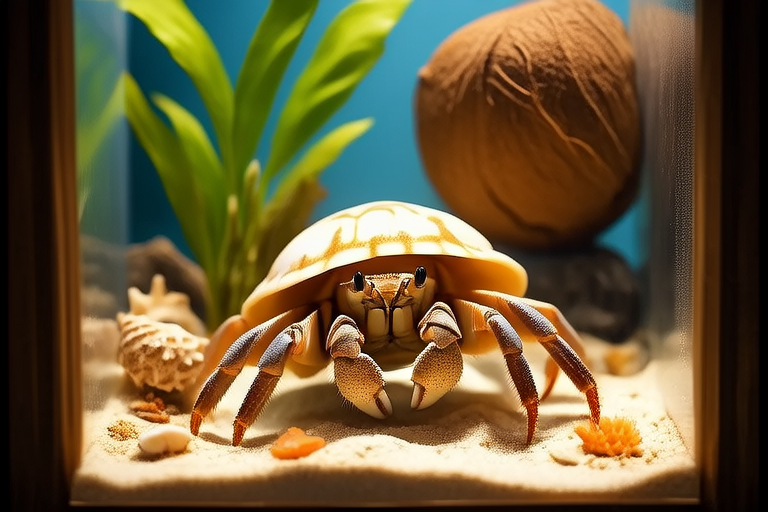
The Ultimate Guide: How to Set Up the Perfect Habitat for Your Hermit Crab
Hermit crabs are fascinating creatures that make wonderful pets when provided with the right environment. To ensure your hermit crab thrives, it’s crucial to set up an ideal habitat that closely resembles its natural environment. This comprehensive guide will walk you through the essential aspects of creating the perfect home for your hermit crab, covering everything from substrate selection to regular maintenance.
Understanding the Natural Environment of Hermit Crabs
Before delving into the specifics of setting up a habitat, it’s important to understand where hermit crabs naturally live. These crustaceans are native to tropical coastal regions, where they thrive in sandy beaches and rocky shorelines. Mimicking these conditions in captivity is key to ensuring your pet’s health and happiness.
Choosing the Right Tank Size
The first step in creating a suitable habitat for your hermit crab is selecting an appropriately sized tank. A general rule of thumb is to provide at least 10 gallons of space per crab. However, larger tanks are always preferable as they offer more room for exploration and interaction between multiple crabs.
For single hermit crabs, a 10-gallon tank is sufficient; for two or more crabs, consider a 20-gallon tank. Larger tanks also allow for better temperature and humidity control, which are critical factors in maintaining a healthy environment.
Selecting the Ideal Substrate
The substrate forms the foundation of your hermit crab’s habitat. It serves as a place for burrowing, molting, and provides essential minerals for their exoskeletons. Sand is the most commonly used substrate because it allows for easy digging and mimics the natural beach environment.
Choose fine-grade sand, free of salt and additives, as it is easier for the crabs to dig through and less likely to cause respiratory issues if ingested. Other options include coconut fiber or crushed coral, but these substrates may be harder for crabs to move around in and could potentially cause blockages if ingested.
Avoid using gravel or small pebbles as they can pose choking hazards and are difficult for the crabs to navigate. Additionally, ensure that any substrate you choose does not contain harmful chemicals or dyes.
Temperature and Humidity Requirements
Hermit crabs are ectothermic, meaning they rely on external sources of heat to regulate their body temperature. Maintaining the correct temperature range is vital for their overall health. The ideal temperature for hermit crabs ranges between 75°F and 85°F (24°C – 29°C).
To achieve this, you can use under-tank heaters or heat lamps placed outside the tank. Always monitor the temperature with a reliable thermometer to prevent overheating or chilling.
Humidity levels should be kept between 70% and 80%. Low humidity can lead to dehydration, while overly high humidity may cause respiratory problems. Use a hygrometer to measure humidity accurately and adjust accordingly. Providing a shallow water dish and misting the enclosure daily can help maintain optimal humidity levels.
Decorations for Climbing and Hiding
Incorporating various decorations into your hermit crab’s habitat encourages natural behaviors such as climbing, exploring, and seeking shelter. Offer a variety of climbing structures like branches, driftwood, and rocks. These items should be securely anchored to prevent tipping over and injuring the crabs.
Additionally, include several hiding spots made from cork bark, coconut huts, or plastic caves. These shelters provide security and privacy, which are essential for reducing stress and promoting mental well-being.
Ensure all decorations are non-toxic and safe for consumption. Hermit crabs often chew on their surroundings, so avoid anything treated with pesticides or harmful chemicals.
Water Dish Setup
Hermit crabs require access to both fresh and saltwater for drinking and soaking. Provide two separate dishes—one filled with dechlorinated freshwater and another with marine-grade saltwater. Change the water regularly to prevent bacterial growth.
Place the water dishes at different heights within the tank to encourage varied activity. Ensure the dishes are shallow enough for easy access yet deep enough for the crabs to submerge themselves fully if desired.
Consider using a small sponge or rock to create a ramp leading into the water dishes. This helps prevent drowning incidents, especially for younger or weaker crabs.
Dietary Considerations
Hermit crabs are omnivores with diverse dietary needs. In addition to commercial hermit crab food, offer a variety of fruits, vegetables, and protein sources. Suitable treats include bananas, apples, carrots, leafy greens, fish flakes, and cooked shrimp.
Feed your crabs once or twice weekly, removing any uneaten food promptly to maintain cleanliness. Avoid feeding them dairy products, citrus fruits, or processed foods, as these can be harmful.
Supplement their diet with calcium-rich foods such as cuttlebone or crushed eggshells to support shell health. Crushed oyster shells or calcium blocks can also be provided for additional mineral intake.
Regular Maintenance Tips
Maintaining a clean and healthy environment is crucial for your hermit crab’s longevity. Perform weekly checks for signs of illness or injury, such as lethargy, loss of appetite, or abnormal behavior.
Spot-clean the tank by removing waste and uneaten food daily. Deep clean the entire enclosure every few months, replacing the substrate and thoroughly disinfecting all surfaces and accessories.
Monitor temperature and humidity levels regularly, making adjustments as necessary. Replace water dishes frequently and ensure proper ventilation to prevent mold growth.
Provide new shells periodically to accommodate growth and encourage natural behavior. Offer a range of sizes and styles to suit individual preferences.
Conclusion
Creating the perfect habitat for your hermit crab involves careful consideration of numerous factors, including tank size, substrate choice, temperature regulation, and enrichment opportunities. By mimicking their natural environment and addressing their specific needs, you can ensure your pet leads a happy and healthy life.
Remember that hermit crabs have unique personalities and preferences, so be observant and responsive to their behaviors. With patience and dedication, you’ll create a thriving home for your beloved crustacean companion.