
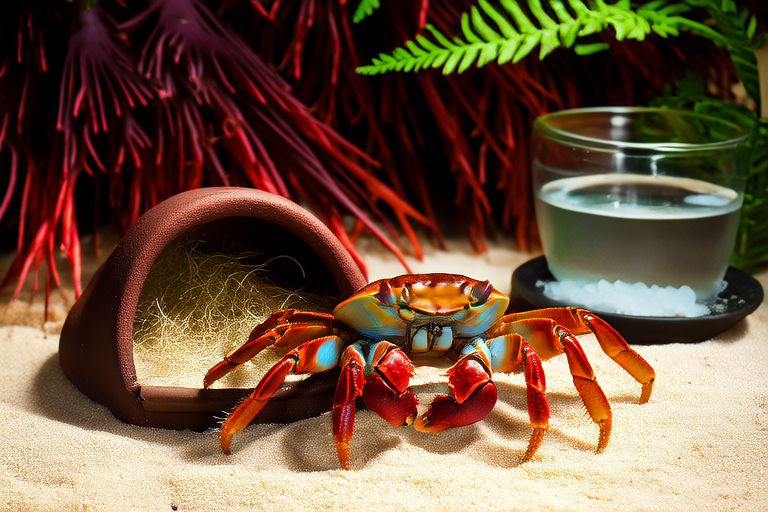
How to Set Up the Perfect Habitat for Your New Hermit Crab Friend
Welcome to the wonderful world of hermit crabs! These fascinating creatures are known for their unique shells and quirky behaviors. Creating the perfect habitat for your new hermit crab friend is crucial for their health and happiness. This comprehensive guide will walk you through the essential steps to set up a thriving environment that mimics their natural habitat.
Selecting the Right Tank Size
The first step in setting up a habitat for your hermit crab is choosing the right tank size. While hermit crabs are relatively small, they need ample space to move around and explore. A general rule of thumb is to provide at least one gallon of tank space per hermit crab. However, larger tanks are always better, as they offer more room for climbing and hiding.
If you plan to keep multiple hermit crabs together, it’s important to provide enough space for each one. Ideally, a 10-gallon tank can comfortably house two to four hermit crabs. For a larger group, consider a 20-gallon tank or even bigger. The more space you provide, the happier and healthier your hermit crabs will be.
Appropriate Substrate Options
The substrate, or bedding, is a crucial component of your hermit crab’s habitat. It serves as both a place for them to burrow and a source of calcium, which they need for their exoskeletons. There are several substrate options available, but coconut fiber and crushed coral are highly recommended.
Coconut fiber is a popular choice due to its moisture-retention properties and ability to hold humidity. It also provides a natural look and feel that closely resembles the hermit crab’s natural environment. Crushed coral, on the other hand, offers a higher calcium content and helps maintain the correct pH level in the tank. It also creates a visually appealing landscape with its variety of colors and textures.
When setting up the substrate, aim for a depth of about three to four inches. This allows your hermit crabs to burrow and dig comfortably. Make sure the substrate is moist but not overly wet, as excess water can lead to mold growth and other issues.
Temperature and Humidity Requirements
Maintaining the right temperature and humidity levels is vital for your hermit crab’s well-being. In their natural habitat, hermit crabs thrive in warm, humid environments. Therefore, it’s important to replicate these conditions in their tank.
The ideal temperature range for a hermit crab habitat is between 75°F and 85°F (24°C to 29°C). You can achieve this by placing a heat lamp or under-tank heater on one side of the tank. This creates a temperature gradient, allowing your hermit crabs to regulate their body temperature by moving between warmer and cooler areas.
In addition to temperature, humidity plays a significant role in maintaining a healthy environment. Hermit crabs require a humidity level of 70% to 80%. To achieve this, you can mist the tank daily with a spray bottle or use a hygrometer to monitor the humidity levels. Some hermit crab enthusiasts also use automatic misting systems or humidifiers to ensure consistent humidity.
Necessary Decorations for Climbing and Hiding
Hermit crabs are naturally curious and active creatures, so providing plenty of opportunities for climbing and hiding is essential. This not only enriches their environment but also promotes exercise and mental stimulation. There are many decorative items you can add to your hermit crab’s habitat to encourage exploration and play.
Branches and driftwood are excellent choices for climbing structures. They provide a variety of surfaces for your hermit crabs to scale and explore. When selecting branches, choose those that are sturdy and free from harmful chemicals or pesticides. You can also incorporate cork bark or coconut huts for additional hiding spots.
Plastic plants and rocks can further enhance the visual appeal of the tank while offering more hiding places. Ensure that any decorations you choose are safe and non-toxic for hermit crabs. Avoid using sharp objects or materials that could harm your pets.