
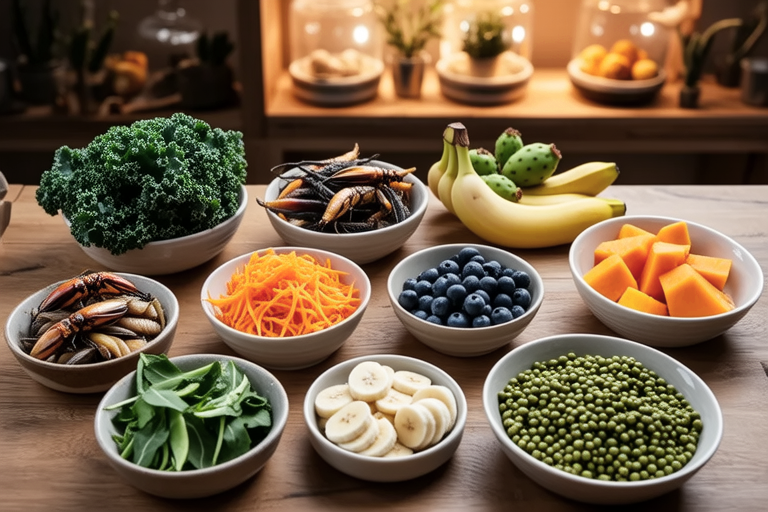
Top 10 Foods That Will Keep Your Bearded Dragon Thriving
Welcome to the wonderful world of bearded dragon care! As a responsible pet owner, understanding the dietary needs of your scaly friend is crucial for their overall health and longevity. Bearded dragons are omnivorous reptiles that require a balanced diet consisting of both plant matter and animal protein. Their diet should mimic what they would eat in the wild, ensuring they get all necessary nutrients for growth, digestion, and energy. A well-fed bearded dragon will exhibit vibrant coloration, high activity levels, and excellent health.
1. Collard Greens
Collard Greens: These leafy greens are packed with vitamins A and C, which support immune function and skin health. They also contain calcium, essential for bone strength. Collard greens should be offered to adult bearded dragons daily but in moderation due to their oxalate content, which can bind calcium and hinder absorption. To prepare, gently steam or chop finely to prevent choking hazards. For young dragons, collard greens should be introduced gradually to avoid digestive issues.
2. Dandelion Greens
Dandelion Greens: Rich in vitamins A and K, dandelion greens promote healthy vision and blood clotting. They are also a good source of calcium, crucial for maintaining strong bones. Dandelions can be fed to adult bearded dragons several times a week. Always ensure the greens are pesticide-free and harvested from uncontaminated areas. Younger dragons may need these greens less frequently, as their digestive systems are more sensitive.
3. Turnip Greens
Turnip Greens: High in calcium and low in phosphorus, turnip greens help maintain proper calcium-to-phosphorus ratios, vital for preventing metabolic bone disease. They are also rich in vitamins A and C. Feed turnip greens to adult bearded dragons three times a week. For younger dragons, offer sparingly, as their systems might not handle large amounts effectively. Ensure the greens are thoroughly washed and chopped into small pieces.
4. Mustard Greens
Mustard Greens: These greens are excellent sources of vitamin A and antioxidants, supporting immune function and eye health. Mustard greens also provide calcium and beta-carotene. Adult bearded dragons can enjoy mustard greens twice a week. Young dragons should have them less frequently, perhaps once every two weeks. Always wash and chop the greens finely before feeding to prevent choking.
5. Carrots
Carrots: Carrots are a great source of beta-carotene, which the body converts into vitamin A, promoting healthy vision. They are also rich in fiber, aiding digestion. Carrots can be offered to adult bearded dragons once or twice a week. For younger dragons, feed carrots even less frequently, as their digestive systems are still developing. Steam or grate carrots to make them easier to digest and safer to consume.
6. Bell Peppers
Bell Peppers: Packed with vitamins A and C, bell peppers enhance immune function and skin health. They are also rich in antioxidants, which protect cells from damage. Adult bearded dragons can have bell peppers once a week. Younger dragons should have them less often, possibly every other week. Ensure the peppers are thoroughly washed and chopped into small pieces.
7. Squash
Squash: This versatile vegetable is rich in vitamins A and C, as well as potassium and fiber. Squash supports overall health and digestion. Adult bearded dragons can enjoy squash once a week. Young dragons may need it less frequently, perhaps every two weeks. Steam or bake squash until soft and cut into bite-sized pieces before serving.
8. Endive
Endive: Endive is a good source of vitamins A and K, supporting healthy vision and blood clotting. It is also rich in calcium, essential for bone health. Offer endive to adult bearded dragons twice a week. Younger dragons should have it less frequently, perhaps once every two weeks. Wash and chop endive finely to prevent choking.
9. Broccoli
Broccoli: This cruciferous vegetable is a great source of vitamins C and K, promoting immune function and bone health. It also contains fiber, aiding digestion. However, broccoli should be fed sparingly, as it contains goitrogens that can interfere with thyroid function if consumed in excess. Adult bearded dragons can have broccoli once a month. Younger dragons should have it even less frequently, perhaps every two months. Steam or cook broccoli until soft and cut into small pieces.
10. Mealworms
Mealworms: These insects are a valuable source of protein, fat, and essential amino acids, contributing to muscle development and energy. They should be offered to adult bearded dragons several times a week, depending on their size and activity level. For younger dragons, feed mealworms less frequently, perhaps once or twice a week. Always ensure mealworms are gut-loaded (fed a nutritious diet) before offering them to your dragon.
Conclusion: Balancing the Diet and Sourcing Food
To ensure a balanced diet, vary the types of vegetables and proteins you feed your bearded dragon. Rotate between different greens, vegetables, and insects to provide a wide range of nutrients. Avoid feeding the same food repeatedly, as this can lead to nutritional imbalances. Additionally, consider supplementing your dragon’s diet with calcium and multivitamin powders, especially if they are not getting enough from their food alone.
When sourcing food, prioritize quality. Purchase fresh vegetables from reputable grocery stores or local farmers’ markets. For insects, buy from trusted suppliers who use appropriate husbandry practices. If foraging for wild plants, always ensure they are free from pesticides and contaminants.
By carefully selecting and preparing your bearded dragon’s meals, you’ll help them thrive and live a long, healthy life. Remember, a happy bearded dragon is a healthy bearded dragon!