
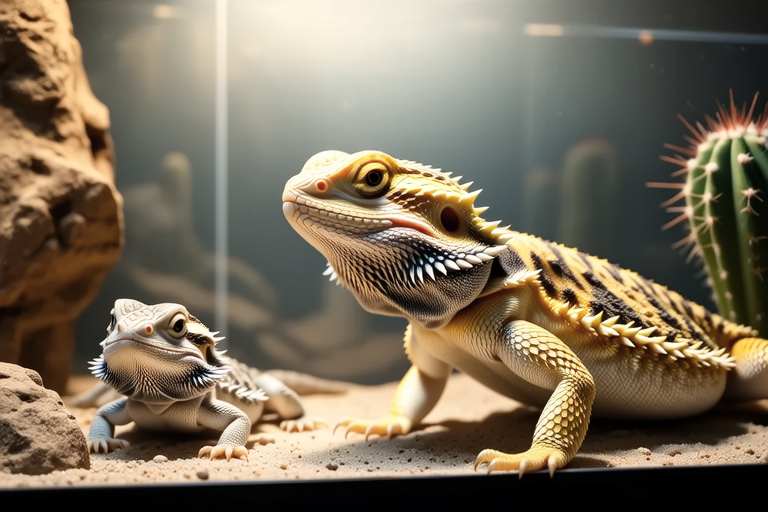
From Egg to Adult: The Journey of a Bearded Dragon Explained!
Welcome to the fascinating world of bearded dragons! These charismatic lizards have captured the hearts of many reptile enthusiasts with their docile nature and striking appearance. From the moment they emerge from their eggs until they reach full maturity, bearded dragons undergo several distinct life stages, each with its own unique challenges and requirements. In this article, we will explore the journey of a bearded dragon from egg to adult, covering everything from the incubation process to adulthood.
The Incubation Process
The journey of a bearded dragon begins with the incubation of the eggs. Female bearded dragons can lay clutches of up to 30 eggs, though the average clutch size is around 16. After mating, the female will dig a nest and carefully deposit her eggs. Once laid, the eggs must be collected and placed in an incubator to ensure proper development.
The ideal incubation temperature for bearded dragon eggs ranges between 84°F and 88°F (29°C to 31°C). Maintaining consistent temperatures is crucial as it directly affects the sex of the hatchlings. Eggs incubated at lower temperatures tend to produce more males, while higher temperatures result in more females. The humidity level within the incubator should be kept between 70% and 80% to prevent the eggs from drying out or becoming waterlogged.
The incubation period typically lasts between 55 and 75 days, depending on the temperature and environmental conditions. During this time, the embryos inside the eggs develop and grow. It’s important to monitor the eggs regularly to ensure they remain healthy and undisturbed. Signs of healthy development include slight swelling of the eggs and visible movement of the embryos.
Hatchling Care
Once the eggs have hatched, the tiny bearded dragon hatchlings emerge into the world. At birth, these little dragons are only about 3 inches (7.5 cm) long and weigh just a few grams. They are fully independent and can fend for themselves immediately after hatching. However, providing them with the right environment and care is essential for their survival and well-being.
For the first few weeks, hatchlings should be housed in a small enclosure that provides a warm basking area and a cool retreat. A 10-gallon tank is usually sufficient for a group of hatchlings. The enclosure should have a heat lamp to create a basking spot with a temperature range of 95°F to 105°F (35°C to 40°C), and the cooler side should be around 80°F (27°C). Proper lighting is also vital; UVB bulbs help the hatchlings synthesize vitamin D3, which is essential for calcium absorption.
Dietary needs change significantly during this stage. Hatchlings require frequent feeding due to their rapid growth rate. They should be offered small insects such as pinhead crickets or dubia roaches daily. Dusting the insects with a high-quality calcium supplement before feeding helps prevent metabolic bone disease. As they grow, you can gradually increase the size of the prey items.
Water should always be available in a shallow dish, but bearded dragon hatchlings rarely drink water directly. Instead, they obtain moisture from their food. Mist the enclosure occasionally to maintain humidity levels and encourage hydration.
Juvenile Growth
As bearded dragons grow from hatchlings into juveniles, their physical and behavioral characteristics begin to change. Juveniles are more active and curious than hatchlings, often exploring their surroundings and interacting with their environment. Their growth rate slows down compared to the initial stages, but they still require ample nutrition to support their development.
Juveniles should be housed in larger enclosures as they grow. A 20-gallon tank is suitable for one juvenile dragon, and you can upgrade to a 40-gallon tank as they reach their full size. The temperature gradient remains important, with a basking spot of 95°F to 105°F (35°C to 40°C) and a cooler area of 80°F (27°C).
The diet for juvenile bearded dragons should consist of a mix of insects and vegetables. Continue offering crickets and other small insects, but introduce leafy greens like collard greens, mustard greens, and dandelion greens. Avoid iceberg lettuce and spinach, as these can cause digestive issues. Juveniles should be fed insects daily and vegetables every other day. Always gut-load the insects by feeding them nutritious foods before offering them to your dragon.
Maintaining a clean and hygienic environment is crucial during this stage. Regularly remove waste and replace substrate as needed. Provide plenty of hiding spots and climbing structures to encourage natural behaviors and reduce stress.
Dietary Changes Throughout Their Lifecycle
The dietary needs of bearded dragons change significantly as they progress through different life stages. Understanding these changes is key to ensuring their health and longevity.
Hatchlings require frequent feedings of small insects rich in nutrients. As they grow into juveniles, the proportion of vegetables in their diet increases. By the time they reach adulthood, bearded dragons should consume a balanced diet of insects and vegetables. Adults generally eat insects twice a week and vegetables daily. Calcium supplementation remains important throughout their lives, especially for females during breeding season.
It’s also essential to avoid overfeeding. Obesity is a common issue among bearded dragons, particularly if they are given too many fatty insects or excessive amounts of food. Monitor your dragon’s weight and adjust portion sizes accordingly.
Habitat Requirements at Different Stages
The housing requirements for bearded dragons vary depending on their age and size. Providing an appropriate environment is critical for their health and happiness.
Hatchlings need a small enclosure with a secure lid to prevent escape. A 10-gallon tank with a heat lamp and UVB bulb is suitable. Juveniles require a slightly larger space, and adults need even more room. A 40-gallon tank or larger is recommended for adult bearded dragons. The enclosure should include a hide box, branches for climbing, and a shallow water dish.
The temperature gradient within the enclosure is crucial. Bearded dragons are ectothermic, meaning they rely on external sources of heat to regulate their body temperature. A basking spot of 95°F to 105°F (35°C to 40°C) allows them to thermoregulate effectively. The cooler side of the enclosure should be around 80°F (27°C).
Substrate choice is also important. Paper towels or reptile carpet are safe options for hatchlings and juveniles, while adults can be housed on eco-friendly substrates like coconut fiber or reptile-safe sand. Avoid loose substrates that pose a risk of impaction.
Common Health Issues
Despite being relatively hardy, bearded dragons can face various health issues if not cared for properly. Some common problems include metabolic bone disease (MBD), respiratory infections, and parasites.
Metabolic bone disease is caused by a lack of calcium or vitamin D3. Symptoms include weak bones, tremors, and difficulty moving. To prevent MBD, provide a balanced diet with adequate calcium supplementation and ensure access to UVB lighting.
Respiratory infections can occur if the enclosure is too cold or damp. Signs include wheezing, nasal discharge, and lethargy. Keep the temperature and humidity levels optimal and consult a veterinarian if symptoms persist.
Parasites can be introduced through contaminated food or unsanitary living conditions. Regular fecal examinations and proper hygiene practices can help prevent parasite infestations.
Regular veterinary check-ups are essential for maintaining your dragon’s health. A veterinarian specializing in reptiles can provide guidance on preventive care and address any concerns.
Tips for Ensuring a Healthy Transition into Adulthood
To ensure a smooth transition into adulthood, follow these tips:
- Gradual Adjustments: Make changes to the enclosure and diet gradually to avoid stressing your dragon. For example, when upgrading the tank, move your dragon to the new enclosure over a few days.
- Consistent Care: Maintain consistent temperatures, humidity levels, and feeding schedules. This helps your dragon adapt to its environment and promotes healthy growth.
- Monitor Weight: Weigh your dragon regularly to ensure it is growing at a healthy rate. Use a digital scale designed for reptiles to get accurate readings.
- Provide Enrichment: Offer toys, hides, and climbing structures to stimulate mental and physical activity. This keeps your dragon engaged and prevents boredom.
- Regular Vet Visits: Schedule routine check-ups with a reptile veterinarian to catch any potential health issues early.
In conclusion, the journey of a bearded dragon from egg to adult is a remarkable transformation filled with growth, learning, and adaptation. By understanding the specific needs of each life stage and providing proper care, you can ensure your bearded dragon enjoys a long, healthy, and fulfilling life. Whether you’re a novice or an experienced reptile owner, the joy of watching these captivating creatures thrive is truly rewarding.