
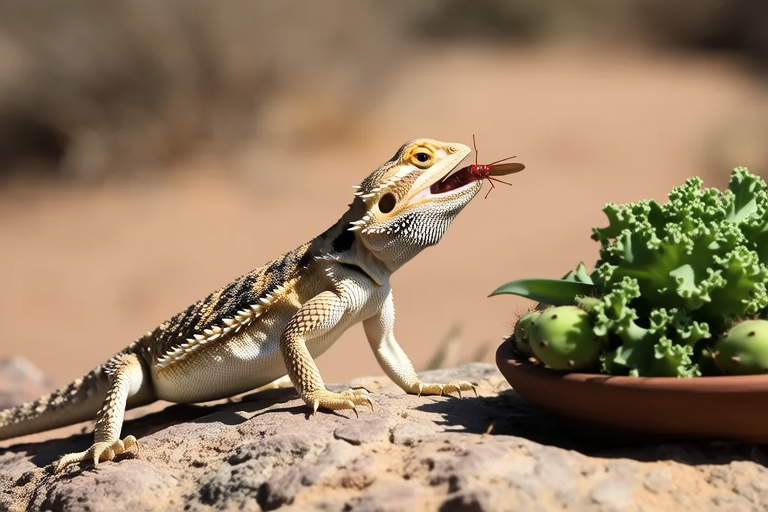
Bearded Dragon Diet: What You Need to Know Before Feeding
Welcome to this comprehensive guide on the diet of bearded dragons. Whether you’re a new owner or have been caring for your scaly friend for years, understanding their dietary needs is crucial for their health and longevity. This article will cover essential dietary requirements, suitable foods, feeding frequency, portion sizes, hydration needs, and common feeding mistakes to avoid.
Understanding Bearded Dragon Dietary Requirements
Bearded dragons are omnivores, meaning they require a balanced diet of both plant matter and animal protein. Their diet should consist of about 80% insects and 20% vegetables and fruits as they grow older. Younger bearded dragons need more protein to support growth, while adults benefit from a higher proportion of vegetables to maintain a healthy weight.
Protein Sources
Insects are the primary source of protein for bearded dragons. Common insect choices include:
- Crickets: A staple food that’s high in protein and easy to digest.
- Mealworms: Good for variety but should be fed sparingly due to their hard exoskeleton.
- Superworms: Similar to mealworms but larger and more nutritious.
- Roaches: Highly nutritious and can be a great addition to your dragon’s diet.
- Locusts: Another excellent protein source with a softer exoskeleton.
When feeding insects, ensure they are appropriately sized for your bearded dragon. Baby dragons can eat small crickets or dubia roaches, while adults can handle larger prey items.
Vegetables and Fruits
Vegetables and fruits should make up about 20% of your bearded dragon’s diet. They provide essential vitamins, minerals, and fiber. Suitable vegetables include:
- Collard greens: High in calcium and low in oxalates.
- Kale: Nutritious and rich in calcium.
- Dandelion greens: Excellent source of vitamins A and C.
- Bell peppers: High in vitamin A and C.
- Zucchini: Low in oxalates and easy to digest.
Fruits should be offered sparingly, as they are high in sugar. Safe fruit options include:
- Mango: Rich in vitamins A and C.
- Papaya: Contains digestive enzymes.
- Blueberries: Packed with antioxidants.
Avoid feeding bearded dragons iceberg lettuce, spinach, rhubarb, avocado, and cabbage as they can cause digestive issues or nutrient imbalances.
Feeding Frequency and Portion Sizes
The amount and frequency of feeding depend on your bearded dragon’s age and size. Here are some general guidelines:
- Young Bearded Dragons (under 6 months): Feed them daily, offering as many insects as they can eat within 10-15 minutes. Supplement their diet with finely chopped vegetables.
- Adult Bearded Dragons (over 1 year): Feed them every other day, providing a mix of insects and vegetables. Adults may also enjoy occasional fruits.
Always monitor your dragon’s body condition and adjust feeding amounts accordingly. Overfeeding can lead to obesity, while underfeeding can result in malnutrition.
Hydration Needs
Bearded dragons obtain most of their water from the food they eat, but it’s essential to provide them with fresh water daily. Place a shallow dish in their enclosure and ensure it’s easily accessible. Mist your dragon occasionally to help them hydrate, especially during shedding periods.
Supplements and Calcium
Calcium is vital for maintaining strong bones and preventing metabolic bone disease (MBD). Dust your insects with a calcium supplement without vitamin D3 before feeding them to your dragon. Use a calcium supplement with vitamin D3 only once or twice a week to prevent toxicity.
Vitamin supplements should be used sparingly, as excessive supplementation can lead to health issues. Consult with a veterinarian if you’re unsure about the appropriate dosages.
Common Feeding Mistakes to Avoid
Several common mistakes can negatively impact your bearded dragon’s health. Here are some to watch out for:
- Overfeeding: Providing too much food can lead to obesity and related health problems.
- Underfeeding: Not offering enough food can result in malnutrition and stunted growth.
- Feeding inappropriate insects: Avoid feeding wild-caught insects or those treated with pesticides, as they can harm your dragon.
- Ignoring calcium supplementation: Failure to provide adequate calcium can lead to metabolic bone disease.
- Offering toxic plants: Be aware of which plants are safe and which can be harmful to your dragon.
- Lack of variety: Offering the same food repeatedly can lead to nutritional deficiencies.
Conclusion
Proper nutrition is key to keeping your bearded dragon healthy and happy. By understanding their dietary requirements, providing a balanced diet, and avoiding common feeding mistakes, you can ensure your scaly friend thrives. Remember to consult with a veterinarian if you have any concerns about your dragon’s diet or overall health.