
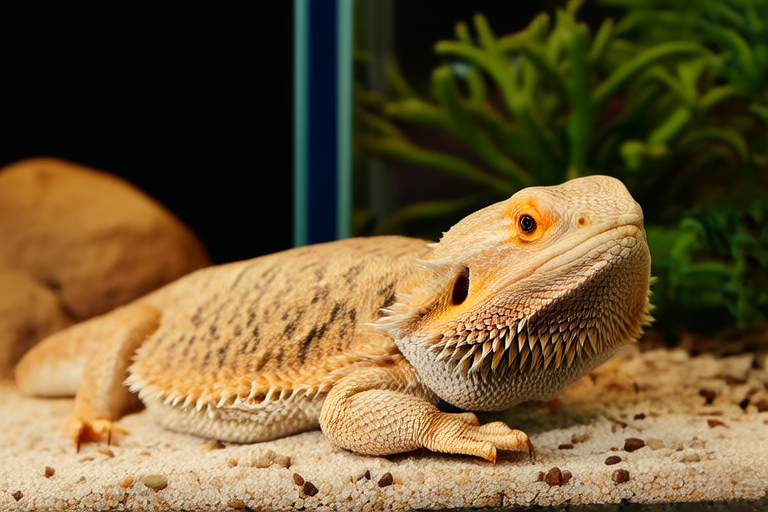
How to Make Sure Your Bearded Dragon is Happy and Healthy: Expert Tips!
Welcome to the world of bearded dragon ownership! These fascinating reptiles are popular pets for their unique personalities and relatively low maintenance needs. However, ensuring your bearded dragon’s happiness and health requires attention to several key areas. This comprehensive guide will provide you with expert tips on how to keep your scaly friend thriving.
Proper Diet
The cornerstone of any bearded dragon’s well-being is a balanced diet. A mix of plant matter and protein is ideal, with the exact ratio depending on the age of the dragon. Juveniles need more protein for growth, while adults require more vegetables for sustained energy.
- Vegetables: Offer a variety such as collard greens, mustard greens, and squash. Avoid iceberg lettuce and spinach as they lack nutrients and can cause digestive issues.
- Fruits: In moderation, fruits like berries and melons can be offered but should not form a significant part of the diet.
- Insects: Crickets, dubia roaches, and mealworms are excellent sources of protein. Dust these insects with calcium and vitamin D3 supplements before feeding.
Always ensure that food items are appropriately sized for your bearded dragon to prevent choking hazards.
Hydration
Bearded dragons primarily obtain moisture from their food, but providing a shallow water dish is crucial. Change this daily to prevent bacterial growth. Some dragons may also enjoy occasional misting or baths to help them shed properly.
Habitat Setup
A well-designed habitat is essential for your bearded dragon’s comfort and safety. The enclosure should be spacious enough to allow movement and exploration.
- Substrate: Avoid substrates like sand or wood shavings which can cause impaction if ingested. Paper towels, reptile carpet, or tile work better.
- Decorations: Include branches, rocks, and hides for climbing, basking, and hiding.
Ensure there’s ample space for all necessary components without overcrowding the enclosure.
Temperature Regulation
Maintaining the correct temperatures within the enclosure is vital for digestion and overall health. Use thermometers to monitor both the cool side (around 75°F) and the warm basking area (around 95-110°F).
Heat lamps or ceramic heaters placed outside the tank can achieve these temperatures safely. Always use guards to prevent burns.
Lighting Requirements
UVB light is indispensable for calcium absorption and bone health. Place the UVB bulb at the basking spot, ensuring it covers about half of the enclosure. Replace every six months regardless of visible wear.
Full-spectrum lighting mimics natural sunlight and helps regulate circadian rhythms. Provide 10-12 hours of light daily, followed by darkness for sleep.
Handling Techniques
Gentle handling builds trust between you and your bearded dragon. Start by offering treats and allowing them to approach you freely. Once comfortable, gently scoop them up, supporting their body firmly but not too tightly.
Avoid sudden movements and loud noises around your pet to minimize stress.
Signs of a Healthy Dragon
A vibrant, active bearded dragon is usually healthy. Watch for clear eyes, bright coloration, and steady movement. Regular defecation indicates good digestive health. Appetite changes might signal underlying issues.
Common Health Issues to Watch For
Despite your best efforts, illnesses can occur. Recognizing symptoms early allows for timely intervention.
- Mouth Rot: Characterized by swelling and discharge around the mouth. Seek veterinary assistance immediately.
- Metabolic Bone Disease: Caused by insufficient calcium intake leading to weak bones. Symptoms include lethargy and difficulty moving. Consult a vet for diagnosis and treatment.
- Respiratory Infections: Signs include wheezing, nasal discharge, and labored breathing. Keep humidity levels moderate and consult a veterinarian promptly.
Regular check-ups with a reptile-savvy veterinarian can catch potential problems before they escalate.
Conclusion
Caring for a bearded dragon involves understanding their dietary needs, creating a suitable environment, and monitoring their health closely. By following these expert tips, you’ll be well-equipped to provide your bearded dragon with a happy and healthy life. Remember, each dragon is unique; observe yours closely and adjust care accordingly. Enjoy this rewarding journey together!