
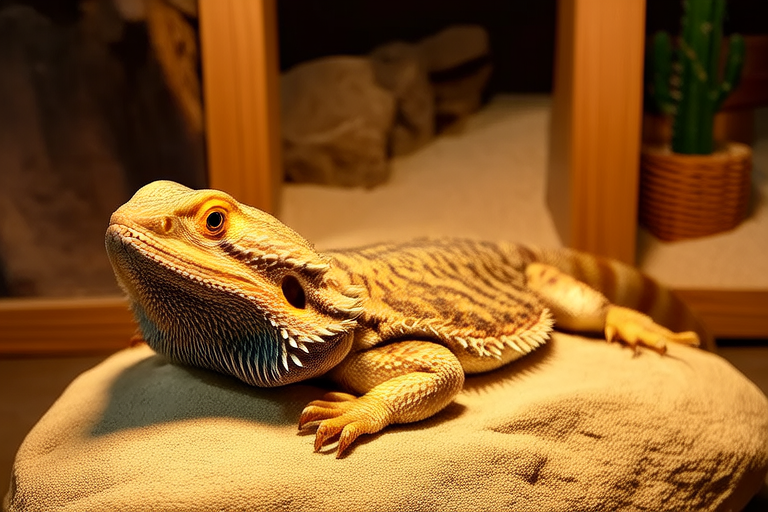
How to Make Your Bearded Dragon Super Happy: Fun Tips and Tricks!
Welcome to the world of bearded dragon ownership! These fascinating reptiles make wonderful pets, but they require specific care to thrive. In this guide, we’ll cover essential care tips, environmental enrichment, diet suggestions, and interactive activities to ensure your bearded dragon is super happy. From setting up their perfect habitat to understanding their dietary needs, this comprehensive guide will help you become a top-notch bearded dragon owner.
Proper Habitat Setup
The first step in keeping your bearded dragon happy is creating the ideal living environment. A well-designed habitat ensures your pet feels safe, comfortable, and stimulated. Start by selecting an appropriate enclosure; glass aquariums are popular choices, but plastic or melamine enclosures offer better insulation. The enclosure should be at least 4 feet long for adult dragons and provide ample space for climbing, basking, and hiding.
Ensure there’s enough vertical space for climbing structures such as branches or rocks. These not only provide entertainment but also promote exercise. Add hide boxes made from coconut huts, cork bark, or cardboard boxes for privacy and security. A variety of substrates can be used, including paper towels, reptile carpet, or non-aromatic wood chips. Avoid sand, as it poses a choking hazard if ingested.
Temperature regulation is crucial for maintaining your bearded dragon’s health. Install a digital thermometer and hygrometer to monitor temperature and humidity levels accurately. Maintain daytime temperatures between 95°F and 110°F (35°C-43°C) under the basking spot and 75°F to 85°F (24°C-29°C) throughout the enclosure. Nighttime temperatures should drop slightly to around 65°F to 75°F (18°C-24°C).
Lighting plays a vital role in your bearded dragon’s well-being. Provide UVB lighting for 10-12 hours daily to support calcium absorption and prevent metabolic bone disease. Full-spectrum fluorescent bulbs emitting UVB rays are recommended. Replace these bulbs every six months to ensure optimal performance. Additionally, use incandescent or ceramic heat emitters for basking areas, ensuring they don’t exceed 110°F (43°C).
Diet Suggestions
Bearded dragons are omnivorous, meaning they consume both plant-based foods and insects. A balanced diet is key to their overall health and happiness. Offer a mix of leafy greens, vegetables, fruits, and protein sources. Dark leafy greens like collard greens, mustard greens, and dandelion greens are excellent choices. Vegetables such as squash, bell peppers, and carrots provide essential vitamins and minerals. Fruits like strawberries and blueberries can be given occasionally as treats.
Insects should form part of their diet, but feed them appropriately sized crickets, dubia roaches, or mealworms. Gut-load these insects with nutritious food before feeding them to your dragon to enhance nutritional value. Dust insects with a calcium supplement twice weekly and a multivitamin once a week to ensure adequate nutrition. Always remove uneaten insects after feeding to prevent injury or stress.
Water is essential for hydration. Some bearded dragons enjoy drinking from water bowls, while others prefer misting or soaking. Mist the enclosure lightly two to three times a day to encourage natural drinking behavior. Alternatively, soak your bearded dragon in shallow lukewarm water for 10-15 minutes once or twice a week. Monitor their water intake closely, especially during warmer months.
Interactive Activities and Bonding
Spending quality time with your bearded dragon fosters trust and strengthens your bond. Handle your dragon gently but frequently to familiarize them with human touch. Start by allowing them to explore your hand before gradually moving onto holding them securely. Patience is key, as some dragons may take longer to acclimate than others.
Create interactive play areas within the enclosure using tunnels, caves, or toys designed specifically for reptiles. Rotate these items periodically to keep things interesting. Encourage exploration by placing branches or logs strategically throughout the habitat. Regular interaction promotes mental stimulation and reduces stress.
Training sessions can also be enjoyable and beneficial. Teach simple commands or tricks using positive reinforcement techniques, such as offering treats or praise when they perform desired behaviors. This not only strengthens your relationship but also keeps your dragon mentally engaged.
Health Monitoring and Vet Check-Ups
Regular health checks are crucial for early detection of potential issues. Look out for signs of illness, such as lethargy, loss of appetite, abnormal droppings, or changes in skin coloration. If you notice any concerning symptoms, consult a veterinarian specializing in reptiles immediately.
Schedule annual veterinary visits for routine examinations, vaccinations, and screenings. During these appointments, discuss any concerns about your dragon’s health or behavior. Follow your vet’s recommendations regarding vaccinations, parasite control, and preventive treatments.
At-home monitoring includes observing your bearded dragon’s activity level, appetite, and appearance regularly. Keep track of weight fluctuations and note any unusual patterns. Early intervention can prevent minor issues from becoming more serious problems.
Environmental Enrichment
Providing stimulating environments enhances your bearded dragon’s quality of life. Incorporate elements that mimic their natural habitat, such as live plants, driftwood, or artificial vines. These additions offer visual interest and opportunities for climbing and exploring. Rotate decorations periodically to maintain novelty and excitement.
Consider introducing sensory experiences through scents, textures, or sounds. Safe herbs or spices can add aromatic variety without posing risks. Experiment with different types of substrate for added texture diversity. Soft background music or nature recordings might also appeal to your dragon’s auditory senses.
Encourage social interactions by introducing compatible companions under controlled conditions. Always supervise introductions carefully to prevent aggression or territorial disputes. Monitor body language closely, looking for signs of discomfort or stress. Separate animals if necessary to ensure everyone remains safe and comfortable.
Conclusion
Making your bearded dragon super happy involves providing proper care, enriching their environment, offering a balanced diet, and engaging in meaningful interactions. By following these guidelines, you’ll create a loving home where your pet thrives physically and emotionally. Remember, each bearded dragon has unique preferences and personalities, so tailor your approach accordingly. With dedication and attention, you’ll enjoy many rewarding years together.