
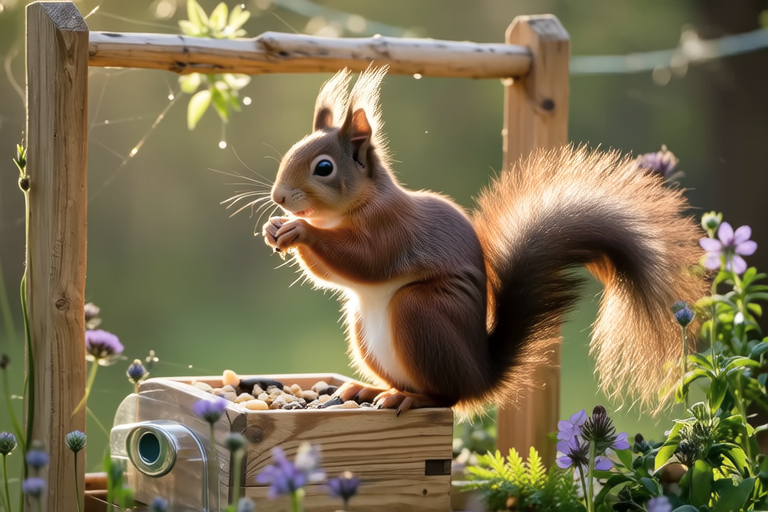
How To Build The Ultimate Squirrel-Friendly Garden
Selecting the Right Plants That Provide Food and Shelter
Welcome to the world of squirrel-friendly gardening! The first step in creating an ideal habitat for squirrels is choosing the right plants. These critters have a varied diet that includes nuts, seeds, fruits, and even some types of fungi. By planting a diverse range of trees and shrubs, you can ensure a steady supply of food throughout the year.
- Nuts: Trees like oak, hickory, and walnut are perfect choices as they produce abundant nuts that squirrels love.
- Berries: Shrubs such as elderberry, serviceberry, and viburnum offer delicious berries that are irresistible to squirrels.
- Fruits: Consider adding fruit-bearing trees or bushes like apple, cherry, or plum. Not only will these attract squirrels but also birds and other wildlife.
- Herbs: Certain herbs, like dill and fennel, can be grown to provide additional food sources.
- Native Grasses: Planting native grasses provides cover for squirrels and helps maintain soil quality.
Remember, it’s crucial to select plants that are native to your region. Native plants are better adapted to local conditions, require less maintenance, and support local wildlife more effectively than non-native species.
Designing Garden Layouts That Cater to Squirrels’ Natural Behaviors
When designing your garden layout, consider how squirrels move through their environment. They are excellent climbers and jumpers, often traveling between trees and structures. Incorporating vertical elements into your design can create pathways that encourage natural movement.
- Tree Canopies: Planting multiple trees close enough together allows squirrels to travel safely from one tree to another.
- Vertical Structures: Installing bird feeders, trellises, or even decorative climbing structures can provide additional routes for squirrels.
- Ground Cover: Dense ground cover not only provides hiding spots but also connects different parts of the garden.
Creating distinct zones within your garden can further enhance its appeal to squirrels. Designate areas for feeding, resting, and playing. For instance, you might set up a small area with a few rocks and logs where squirrels can sunbathe or play.
Incorporating Elements Like Water Sources and Nesting Areas
Water is essential for all living beings, including squirrels. Providing fresh water sources ensures that your garden remains inviting even during dry periods. A shallow birdbath or small pond with sloping sides makes it easy for squirrels to access the water.
Nesting areas are equally important. Squirrels build nests called dreys, typically made from leaves, twigs, and moss. You can assist them by placing nesting boxes around your garden. Make sure these boxes are secure and well-hidden to protect the squirrels from predators.
Using Safe Gardening Practices That Avoid Harming Wildlife
Gardening should never come at the expense of wildlife. Avoid using chemical pesticides, herbicides, and fertilizers as these can harm squirrels and other animals. Opt instead for organic alternatives that promote healthy plant growth without endangering wildlife.
Another way to keep your garden safe for squirrels is by avoiding the use of metaldehyde-based slug pellets. These products are highly toxic to squirrels and other small mammals. Instead, try physical barriers like copper tape or diatomaceous earth to deter slugs.
Tips for Maintaining a Balanced Ecosystem That Benefits Both Squirrels and Other Garden Inhabitants
A healthy garden supports not just squirrels but also other beneficial creatures like bees, butterflies, and birds. Encourage biodiversity by planting a variety of flowers that bloom at different times of the year. This ensures a continuous supply of nectar and pollen for pollinators.
Consider integrating companion planting techniques which involve growing certain plants together to benefit each other. For example, marigolds repel pests that may otherwise damage your crops.
Lastly, monitor your garden regularly for signs of overpopulation or disease. If necessary, take steps to manage populations humanely. For instance, if squirrels become too numerous, consider providing alternative food sources away from sensitive areas.