
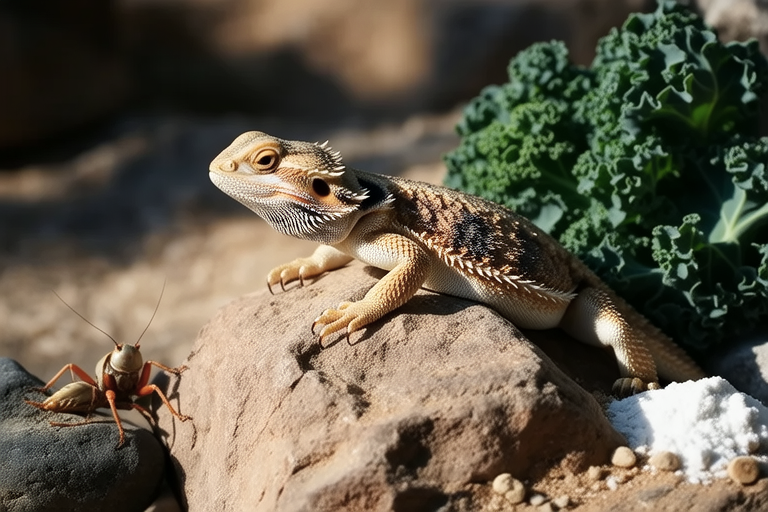
Bearded Dragon Diet Dos and Don’ts: Ensuring Lifelong Health
Ensuring your bearded dragon has a healthy and balanced diet is crucial for its longevity and overall well-being. A well-fed bearded dragon will have vibrant colors, strong bones, and good energy levels. Conversely, a poor diet can lead to malnutrition, metabolic bone disease, and other serious health issues. This article aims to provide you with a comprehensive guide on what to feed your bearded dragon, what to avoid, and how to adjust its diet as it grows and ages.
Essential Nutrients and Their Sources
Bearded dragons require a variety of nutrients to maintain optimal health. The primary nutrients include calcium, phosphorus, vitamin D3, and various vitamins and minerals. Calcium is vital for bone health, while phosphorus, when in excess, can interfere with calcium absorption. Vitamin D3 helps regulate calcium metabolism, and a deficiency can lead to metabolic bone disease. Essential vitamins and minerals support overall health.
- Calcium: Found in leafy greens like collard greens, mustard greens, and turnip greens.
- Phosphorus: Present in vegetables like squash, sweet potato, and bell peppers.
- Vitamin D3: Can be synthesized by the dragon through UVB light exposure.
- Vitamins and Minerals: Supplemented through multivitamins designed specifically for reptiles.
Recommended Food Items (Dos)
Feeding your bearded dragon a diverse range of foods ensures they receive all necessary nutrients. Here are some safe and nutritious options:
- Insects: Crickets, dubia roaches, and mealworms are excellent protein sources. Dust them with calcium and vitamin supplements before feeding.
- Leafy Greens: Collard greens, dandelion greens, and mustard greens are rich in calcium and other essential nutrients.
- Fruits: Small amounts of berries, melon, and papaya can be offered occasionally for added vitamins.
- Vegetables: Squash, bell peppers, and green beans provide essential vitamins and minerals.
Harmful or Inappropriate Foods (Don’ts)
Avoid certain foods that can harm your bearded dragon:
- Lettuce: Contains very little nutritional value and can cause diarrhea.
- Spinach: High in oxalates which can bind calcium, making it unavailable to the dragon.
- Avocado: Toxic to reptiles due to persin, which can damage heart muscles.
- Processed Foods: Avoid chips, cookies, and other human snacks, which can contain harmful additives.
Portion Sizes and Feeding Frequency
The amount and frequency of feeding depend on the dragon’s age. Younger dragons need more frequent feedings, while older ones require fewer but larger meals.
| Age | Frequency | Portion Size |
|---|---|---|
| Young (< 6 months) | Daily | Several insects, small amounts of greens |
| Juvenile (6-18 months) | Every other day | More insects, increasing greens |
| Adult (> 18 months) | Twice weekly | Larger portions of insects, substantial greens |
Hydration Tips
Bearded dragons get most of their water from the moisture in their food, but offering fresh water daily is advisable. Some dragons may drink from a shallow dish, while others prefer misting or soaking.
Common Dietary Mistakes to Avoid
Here are some common errors to watch out for:
- Omitting calcium supplementation, especially for younger dragons.
- Overfeeding insects, leading to obesity.
- Ignoring hydration, which can result in dehydration and kidney problems.
- Feeding exclusively one type of food, causing nutrient deficiencies.
Adapting the Diet Based on Age and Health Status
Adjust the diet as your bearded dragon grows and changes. Young dragons need more protein for growth, while adults require more calcium for bone maintenance. Dragons with specific health issues might need a specialized diet, which should be discussed with a veterinarian.
The Importance of Consulting a Veterinarian
Consulting a veterinarian who specializes in reptiles is crucial for ensuring your bearded dragon’s dietary needs are met. They can provide personalized advice and monitor your dragon’s health closely.