
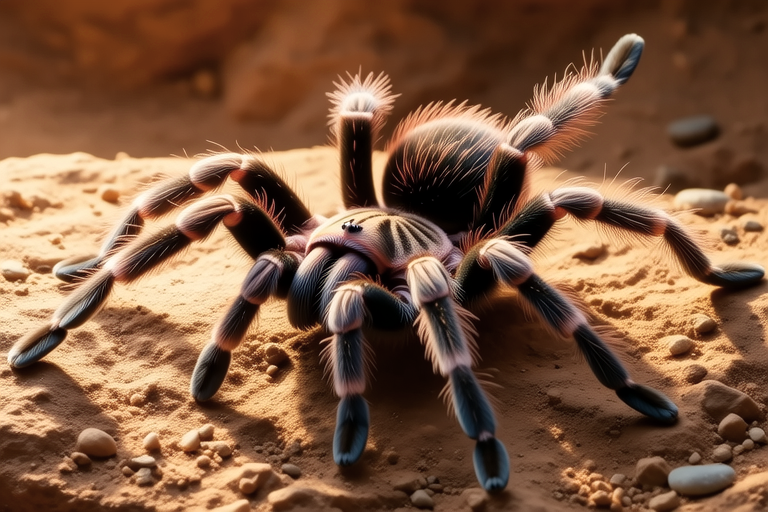
Spinning Wonders: How to Thrive with a Chilean Rose Tarantula as Your Pet
Welcome to the fascinating world of pet tarantulas! Among the many species available, the Chilean rose tarantula (Grammostola rosea) stands out as a popular choice for both beginners and seasoned arachnid enthusiasts. Known for its docile nature, beautiful colors, and relatively low maintenance, this spider is an excellent choice for those looking to keep an exotic pet that requires minimal space. In this comprehensive guide, we will explore the unique characteristics of the Chilean rose tarantula, essential tips for setting up their habitat, dietary needs, handling techniques, common health issues, and advice for new owners.
Unique Characteristics of Chilean Rose Tarantulas
The Chilean rose tarantula is a medium-sized spider native to South America, particularly Argentina, Bolivia, and Chile. They are known for their vibrant pinkish-brown coloration, which becomes more pronounced as they age. These spiders have eight eyes but rely more on their sense of touch and vibration to navigate their environment. Their legs are covered in fine hairs that help them detect movement and communicate with other tarantulas.
Chilean rose tarantulas are generally calm and docile, making them ideal pets for those who want an exotic animal without the risk of aggressive behavior. However, it’s important to note that these spiders can bite if they feel threatened, though their venom is mild and not dangerous to humans.
Essential Tips for Setting Up Their Habitat
Creating a suitable habitat for your Chilean rose tarantula is crucial for their well-being. Here are some key considerations:
- Terrarium Size: A 10-gallon tank is sufficient for an adult Chilean rose tarantula. Ensure there is enough room for the spider to move around comfortably.
- Substrate: Use a substrate that allows burrowing, such as coconut fiber or reptile bark. The depth should be at least three inches to provide ample space for digging.
- Hiding Spots: Provide plenty of hiding spots, such as cork bark or artificial caves, to mimic their natural environment.
- Temperature and Humidity: Maintain a temperature range of 75-85°F (24-29°C) and humidity levels between 60-80%. This can be achieved by misting the substrate occasionally.
- Ventilation: Ensure proper ventilation to prevent mold growth and maintain air circulation.
Dietary Needs
Chilean rose tarantulas are carnivorous and require a diet of live insects. Here are some feeding guidelines:
- Feeding Frequency: Feed your tarantula once a week, offering crickets, mealworms, or dubia roaches. Adjust the frequency based on the spider’s size and activity level.
- Proper Sizing: Ensure the prey items are appropriately sized; they should be no larger than half the width of the tarantula’s abdomen.
- Prey Variety: Offer a variety of prey items to ensure a balanced diet.
Handling Techniques
While Chilean rose tarantulas are generally docile, it’s essential to handle them with care:
- Gentle Approach: Always approach your tarantula slowly and avoid sudden movements.
- Use Tools: Use a small cup or tongs to gently coax the tarantula onto your hand. Avoid picking them up directly, as this may cause stress.
- Frequency: Handle your tarantula sparingly, as excessive handling can lead to stress and potential health issues.
Common Health Issues
Like any pet, Chilean rose tarantulas can face health challenges. Here are some common issues and how to address them:
- Molting Problems: During molting, the tarantula sheds its exoskeleton. Ensure the humidity levels are appropriate and provide a shallow water dish for hydration. Avoid disturbing the spider during this process.
- Parasites: Regularly clean the terrarium to prevent the buildup of mites or other parasites.
- Respiratory Issues: Monitor for signs of respiratory distress, such as difficulty breathing or extended leg postures. Consult a veterinarian specializing in exotic pets if you suspect respiratory issues.
Advice for New Owners
Owning a Chilean rose tarantula can be a rewarding experience, but it comes with responsibilities:
- Research Thoroughly: Before acquiring a tarantula, research extensively to understand their specific needs and care requirements.
- Choose a Reputable Breeder: Purchase your tarantula from a reputable breeder or pet store to ensure good health and proper handling.
- Patience: Be patient when introducing your tarantula to its new home and allow it time to adjust.
- Regular Maintenance: Regularly clean the terrarium, monitor humidity and temperature levels, and provide fresh water.
Spending time with your Chilean rose tarantula can be a delightful experience. Watching them interact with their environment, burrow into their substrate, and eat their prey can be fascinating. Moreover, these spiders can live for up to 15 years, providing long-term companionship.
In conclusion, owning a Chilean rose tarantula is a unique and rewarding experience. By understanding their unique characteristics, setting up an appropriate habitat, meeting their dietary needs, handling them with care, addressing common health issues, and following advice for new owners, you can thrive with your pet tarantula. Enjoy the wonders of these captivating creatures and the joy they bring to your life.