
DIY Guide: Building an Enriching Environment for Your Tiny Newcomer
Welcome to your journey as a new pet owner! Whether you’ve just brought home a tiny kitten, puppy, hamster, or any other small creature, creating an enriching environment is crucial for their health, happiness, and development. This comprehensive guide will walk you through the process of building a stimulating space that meets your pet’s unique needs. From selecting appropriate toys and accessories to designing safe spaces and integrating technology, we’ll cover everything you need to know.
Selecting Appropriate Toys and Accessories
The first step in building an enriching environment for your tiny newcomer is choosing the right toys and accessories. The type of toys you select should be tailored to your pet’s species, age, and individual preferences.
Toys for Different Pet Types
- Cats: Cats love toys that mimic prey animals, such as feather wands or laser pointers. Balls, puzzle feeders, and interactive toys can also keep them mentally stimulated.
- Dogs: Dogs benefit from chew toys, tug ropes, and fetch toys. Puzzle toys and treat-dispensing devices can challenge their minds and reward them with treats.
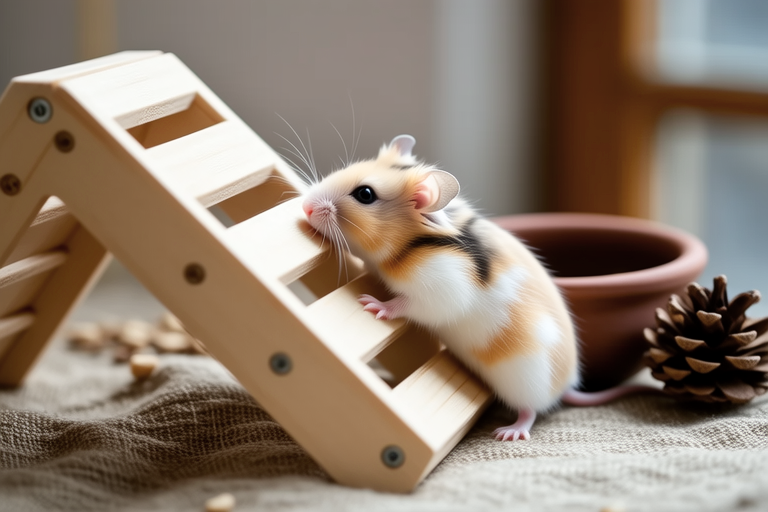
- Rodents: Rodents enjoy tunnels, exercise wheels, and chew toys. Providing various textures and materials can help maintain their dental health and prevent boredom.
- Birds: Birds thrive with toys that encourage climbing, chewing, and problem-solving. Ladders, swings, and foraging toys can provide hours of entertainment.
When selecting toys, consider safety, durability, and appropriateness for your pet’s age. Avoid toys with small parts that could be swallowed, sharp edges, or toxic materials. Rotate toys regularly to keep your pet engaged and prevent overuse of any single toy.
Designing Safe Spaces
A safe space is essential for your pet’s well-being. Designing a secure area involves considering potential hazards, providing comfortable resting spots, and ensuring easy access to food, water, and litter boxes (for cats).
Potential Hazards
Common household items can pose risks to pets. Secure loose wires, keep cleaning supplies out of reach, and avoid placing toxic plants within their reach. Use baby gates to restrict access to dangerous areas and ensure all furniture is stable to prevent tipping accidents.
Comfortable Resting Spots
Your pet needs a cozy place to rest and feel secure. Choose bedding that is soft, washable, and appropriate for your pet’s size. For cats, consider elevated sleeping spots, like cat trees or perches. For dogs, provide crates or beds in quiet areas of your home.
Easy Access to Essentials
Ensure your pet has easy access to food, water, and litter boxes. Place feeding stations and water bowls in easily accessible locations, and position litter boxes away from high-traffic areas but still within reach. Clean these areas regularly to maintain hygiene.
Creating Interactive Play Areas
Interactive play areas are vital for keeping your pet mentally and physically stimulated. These spaces encourage exploration, socialization, and physical activity.
Indoor Play Areas
Create designated play areas indoors where your pet can safely explore and play. Use baby gates or barriers to section off specific rooms or areas. Provide toys and accessories that encourage movement, such as tunnels, agility courses, or obstacle courses. Rotate toys regularly to keep the area interesting and prevent boredom.
Outdoor Play Areas
If possible, create a safe outdoor play area for your pet. Fenced-in yards or enclosed outdoor spaces allow pets to experience fresh air and natural environments. Ensure the area is free from toxic plants, pesticides, and other dangers. Supervise outdoor play to protect your pet from external threats.
Integrating Technology for Pet Enrichment
Technology can enhance your pet’s environment and provide additional enrichment opportunities. Consider incorporating interactive devices, cameras, and apps that promote mental stimulation and bonding.
Interactive Devices
Interactive pet toys and devices can engage your pet when you’re unavailable. For example, automatic treat dispensers can challenge your pet to solve puzzles for rewards. Camera-based toys, like the Furbo Dog Camera, allow you to interact with your pet remotely by sending treats or playing sounds.
Cameras and Apps
Smart pet cameras enable you to monitor your pet’s activities and provide remote interaction. These devices often come with apps that allow you to view live feeds, record videos, and communicate with your pet using two-way audio. Some apps even offer features like activity tracking, alerts for unusual behavior, and notifications for feeding times.
Maintaining a Stimulating Environment
Regularly updating and maintaining your pet’s environment is essential for ongoing enrichment. Here are some practical tips to help you keep the space engaging and enjoyable:
Rotate Toys and Accessories
Rotate toys and accessories periodically to keep your pet interested. Introduce new items gradually to prevent overwhelming your pet and allow them time to adjust to changes.
Update Spaces Regularly
Periodically rearrange furniture and update decorations to refresh your pet’s living space. This can stimulate curiosity and encourage exploration.
Engage in Regular Playtime
Spend quality time with your pet daily to foster bonding and ensure they receive adequate physical and mental stimulation. Play sessions can also help build trust and strengthen the bond between you and your pet.
Monitor Health and Behavior
Regularly observe your pet’s behavior and health to identify any signs of stress, boredom, or illness. Adjust the environment as needed to address any issues and promote overall well-being.
Building an enriching environment for your tiny newcomer requires thoughtful planning and regular maintenance. By selecting appropriate toys and accessories, designing safe spaces, creating interactive play areas, and integrating technology, you can create a stimulating and nurturing home for your pet. Remember to tailor the environment to your pet’s specific needs and preferences, and continuously update it to ensure ongoing enrichment. With dedication and care, you’ll provide your pet with a happy, healthy, and fulfilling life.