
Top Secrets for Keeping Your Betta Thriving and Happy
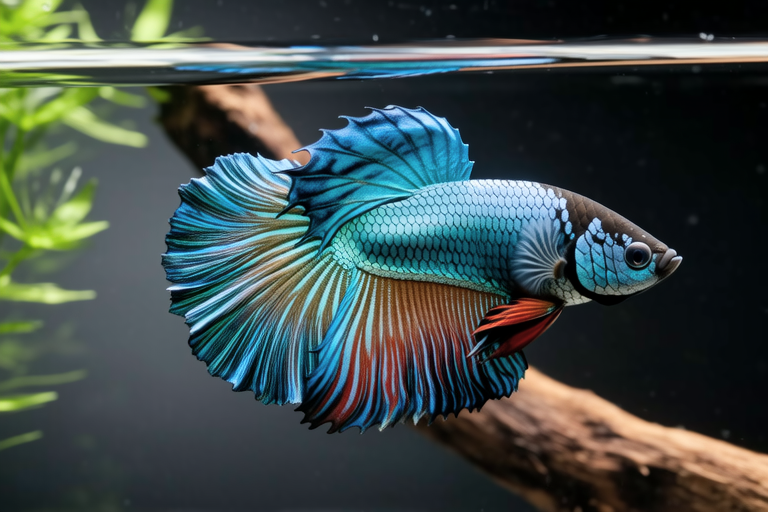
Betta fish, also known as Siamese fighting fish, are popular pets due to their vibrant colors and flowing fins. However, keeping a betta thriving and happy requires more than just a bowl or vase. This guide provides essential tips on setting up the right tank, maintaining water quality, feeding them properly, choosing the right tank mates, and enriching their environment. Follow these secrets to ensure your betta lives a long, healthy, and joyful life.
Proper Tank Setup
The first step in keeping your betta happy is providing the right tank setup. A common misconception is that bettas can live in small spaces like vases or bowls, but this is far from ideal. Betta fish need at least two gallons of water to thrive. A larger tank, around five gallons, is even better, allowing more room for swimming and less frequent water changes.
When setting up the tank, choose a rectangular shape over a round one. Rectangular tanks offer more surface area, which is crucial for oxygen exchange. Ensure the tank has a lid or cover to prevent your betta from jumping out. Bettas are notorious for attempting to leap from their tanks, especially when startled or excited.
Substrate, or the material covering the bottom of the tank, should be smooth gravel or sand. Avoid sharp materials that could damage your betta’s delicate fins. Plants and decorations are essential for creating hiding spots and enhancing the tank’s aesthetic appeal. Live plants not only look beautiful but also help maintain water quality by absorbing nitrates. Alternatively, use artificial plants that mimic the look and feel of real ones.
Water Quality Maintenance
Maintaining optimal water quality is critical for your betta’s health. Regularly check the water temperature, which should be between 76°F and 82°F (24°C and 28°C). Use a heater if necessary to keep the temperature stable. Bettas are tropical fish and prefer warm waters.
Water hardness and pH levels also play a significant role in your betta’s well-being. The ideal pH range is 6.5 to 7.5, and hardness should be between 5 and 19 dGH. Test kits available at pet stores can help you monitor these parameters. If adjustments are needed, use products specifically designed for aquariums.
Adequate filtration is essential for maintaining clean water. Choose a filter that matches your tank size and ensures gentle water flow. Strong currents can stress your betta, so opt for filters with adjustable flow rates. Perform partial water changes every week, replacing about 25% of the water. This helps remove waste and toxins, keeping the tank fresh and healthy.
Suitable Diet
Feeding your betta a balanced diet is vital for its growth and overall health. Bettas are carnivorous and require protein-rich foods. High-quality betta pellets, flakes, and freeze-dried or frozen bloodworms, brine shrimp, and daphnia make excellent choices. Rotate their diet to provide variety and nutrients.
Avoid overfeeding, as it can lead to obesity and poor water quality. Feed your betta two to three times daily, offering only what they can consume within a few minutes. Remove any uneaten food promptly to prevent contamination.
Some bettas may show interest in vegetables or fruits. While occasional treats like peas or blanched spinach can be offered, these should not form part of their regular diet. Always introduce new foods gradually and monitor your betta’s reaction.
Appropriate Tank Mates
Selecting the right tank mates for your betta is crucial. Bettas are territorial and may become aggressive towards other fish, especially males. Females can coexist peacefully in groups called sororities, provided there is ample space and hiding spots. Introducing too many females into a small tank can lead to stress and conflict.
Peaceful, non-aggressive species that can coexist with bettas include harlequin rasboras, ember tetras, and kuhli loaches. Avoid fin-nipping fish such as tiger barbs and serpae tetras. Additionally, refrain from housing bettas with long-finned species, as they may accidentally harm each other during interactions.
If you plan to add more fish to your betta’s tank, research compatibility thoroughly. Each species has unique requirements, and overcrowding can lead to stress and disease. Always quarantine new additions before introducing them to the main tank to prevent the spread of illnesses.
Stimulating Environment Enrichment
Bettas are intelligent and active fish that benefit from mental stimulation. Providing an enriched environment encourages natural behaviors and reduces stress. Floating plants, caves, and tunnels offer hiding spots and areas for exploration. Consider adding interactive toys, such as sinking balls or puzzle feeders, to engage your betta’s curiosity.
Regularly rearrange decorations and plants to keep the tank interesting. Bettas enjoy exploring new layouts and environments. Ensure any changes are made gradually to minimize stress. Incorporate gentle lighting that mimics natural daylight cycles. Most bettas prefer subdued lighting, so avoid overly bright setups.
Regular Monitoring and Care Routines
Consistent monitoring and care routines are key to maintaining your betta’s health. Observe your betta daily for signs of illness or distress, such as lethargy, loss of appetite, discolored fins, or abnormal swimming patterns. Early detection of issues allows for prompt intervention.
Establish a routine for water testing, cleaning, and feeding. Consistency helps your betta feel secure and comfortable. Record observations and measurements to track changes over time. This information can be invaluable when diagnosing potential problems.
Consult with a veterinarian specializing in exotic animals if you suspect your betta is ill. They can provide professional guidance and treatment options tailored to your fish’s specific needs.
Actionable Advice for Beginners and Experienced Owners
For beginners, start with a basic setup: a five-gallon tank, a reliable filter, heater, and thermometer. Gradually introduce additional elements as you gain confidence and experience. Research extensively before making purchases, and don’t hesitate to seek advice from experienced aquarists or professionals.
Experienced owners can experiment with advanced techniques, such as breeding bettas or creating elaborate planted tanks. Continuously educate yourself about new developments in fishkeeping and share knowledge with fellow enthusiasts. Remember, the best way to ensure your betta thrives is through thoughtful planning, careful observation, and attentive care.
In conclusion, keeping your betta thriving and happy involves creating an optimal environment, maintaining good water quality, providing a balanced diet, selecting compatible tank mates, and enriching their surroundings. By following these top secrets, you’ll create a home where your betta can flourish and bring joy to your household for years to come.