
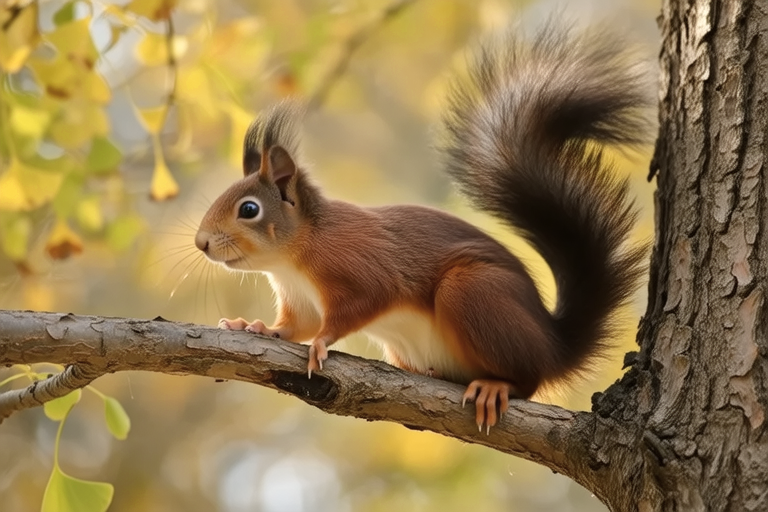
The Fascinating Life of Squirrels: From Wild Nut Gatherers to Urban Performers
Imagine a world where creatures as small as squirrels have adapted to thrive amidst bustling cities and sprawling suburbs. These agile performers have evolved from simple nut gatherers in the wild to become integral parts of our urban landscapes. With their bushy tails, sharp claws, and curious eyes, squirrels have captured the hearts of many. This article delves into the captivating story of squirrels, exploring their evolution, physical adaptations, behaviors, social structures, and interactions with humans. We will also highlight scientific studies and anecdotes that showcase their intelligence and problem-solving skills, discuss their role in ecosystems, examine the challenges they face in changing environments, and offer tips for harmonious coexistence.
Evolutionary Journey: From the Wild to the City
Squirrels have a long evolutionary history, with their ancestors dating back over 36 million years. The earliest known squirrel-like animal was Plesiosciurus, a prehistoric creature that lived during the Eocene epoch. Over time, squirrels diversified into various species, adapting to different habitats and climates. Today, there are more than 200 species of squirrels worldwide, ranging from the tiny African pygmy squirrel to the large American red squirrel.
The transition from rural to urban environments has been gradual but significant. As human settlements expanded, squirrels found new opportunities for food, shelter, and breeding grounds. In the 1870s, gray squirrels were introduced to parks and gardens in London, where they thrived due to abundant food sources and minimal predators. Since then, squirrels have adapted to urban life, becoming familiar sights in cities across the globe.
Physical Adaptations: Tail, Claws, and Beyond
Squirrels possess several remarkable physical features that enable them to navigate their environments with ease. Their bushy tails serve multiple purposes, including balance, communication, and warmth. When running along branches or jumping between trees, the tail acts as a rudder, helping them maintain stability. Additionally, squirrels use their tails to signal warnings to other squirrels about potential dangers. For example, when a predator is nearby, they may flick their tail rapidly to alert others.
Sharp claws and strong hind legs are essential for climbing trees and leaping through the air. Squirrels can leap distances up to 10 feet (3 meters) in a single bound, thanks to their powerful leg muscles. Their flexible bodies allow them to twist and turn mid-air, ensuring safe landings on narrow branches or rooftops. Moreover, squirrels have excellent vision and hearing, which help them detect threats and locate food sources.
Behavioral Traits: Curiosity, Playfulness, and Intelligence
Squirrels are known for their curiosity and playfulness, traits that contribute to their appeal among humans. They often engage in playful activities, such as chasing each other or tumbling around on the ground. This behavior is particularly common among young squirrels, who learn important survival skills through play.
Scientific studies have demonstrated that squirrels possess impressive problem-solving abilities. One notable experiment involved researchers placing nuts inside transparent plastic tubes with holes at one end. To retrieve the nuts, the squirrels had to figure out how to push the tube through the holes. Many squirrels successfully solved this puzzle, showcasing their cognitive flexibility and adaptability.
In addition to their problem-solving skills, squirrels exhibit complex social behaviors. While they are generally solitary animals, they do form temporary bonds during mating season or when raising offspring. Female squirrels build nests called dreys, typically located high up in trees, where they give birth to litters of two to six babies. The mother squirrel cares for her young until they are old enough to fend for themselves.
Role in Ecosystems: Seed Dispersers and Habitat Creators
Squirrels play crucial roles in maintaining healthy ecosystems. As seed dispersers, they help propagate plant species by burying nuts and seeds in various locations. Some of these buried seeds remain dormant for years, only sprouting when conditions are favorable. This process contributes to forest regeneration and biodiversity.
Furthermore, squirrels create habitats for other animals by excavating burrows or nesting sites. These spaces provide shelter for insects, birds, and small mammals, fostering ecological diversity. By interacting with their environment in these ways, squirrels promote overall ecosystem health and resilience.
Challenges in Changing Environments: Predation, Disease, and Climate Change
Despite their adaptability, squirrels face numerous challenges in today’s rapidly changing world. Urbanization has increased exposure to predators like cats, dogs, and birds of prey, posing significant risks to squirrel populations. Additionally, diseases such as mange and pox can spread quickly through squirrel communities, causing widespread illness and death.
Climate change also affects squirrels’ ability to survive and reproduce. Warmer temperatures may alter the timing of seasonal events, such as flowering plants or the emergence of insects, disrupting the availability of food resources. Moreover, extreme weather events, like hurricanes or floods, can destroy habitats and displace squirrels, forcing them to relocate to unfamiliar areas.
Tips for Coexisting Harmoniously with Backyard Acrobats
To ensure peaceful coexistence with squirrels, it’s essential to understand their needs and behaviors. Providing appropriate food sources, such as bird feeders filled with sunflower seeds or peanuts, can help attract squirrels without encouraging unwanted behavior. However, it’s crucial to keep feeding stations secure to prevent squirrels from accessing them and potentially damaging property.
Creating natural habitats, like planting native trees and shrubs, offers squirrels suitable places to live and forage. These green spaces provide essential resources while promoting biodiversity. Additionally, installing squirrel-proof fencing or netting around gardens and flower beds can protect plants from damage caused by hungry squirrels.
Conclusion: Celebrating Our Small-Scale Neighbors
Squirrels are remarkable creatures whose lives span from the wild to the city. Through their evolution, physical adaptations, behaviors, and interactions with humans, they have proven their resilience and intelligence. As we continue to shape our environments, it’s vital to recognize the importance of squirrels and take steps to support their well-being. By understanding and appreciating these backyard acrobats, we can foster a harmonious relationship with nature and contribute to the preservation of biodiversity.