
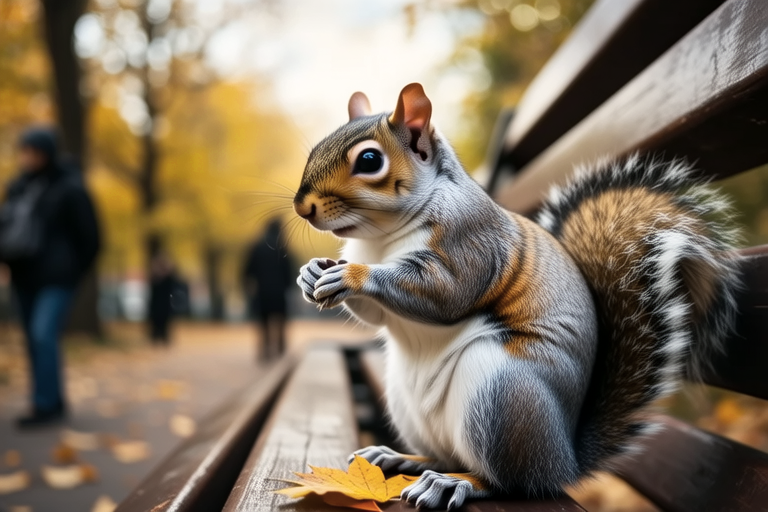
Urban Squirrels: Thriving in the City
Urban squirrels have adapted remarkably well to city life, thriving amidst concrete jungles and human activity. These creatures have developed unique behaviors and physical traits that enable them to exploit urban environments for food, shelter, and safety. This article explores the fascinating world of urban squirrels, delving into their diet, interactions with humans, challenges they face, and how they navigate urban landscapes.
Dietary Adaptations
Urban squirrels have diversified their diets significantly compared to their rural counterparts. While rural squirrels primarily feed on nuts, seeds, and fruits from trees, urban squirrels have expanded their menu to include a wide range of human foods. They scavenge for leftovers, raid bird feeders, and even rummage through garbage cans. This dietary flexibility allows them to survive in areas where natural food sources may be scarce.
Studies show that urban squirrels consume more carbohydrate-rich foods than their rural relatives. This shift in diet is attributed to the abundance of human-generated waste and discarded food items in cities. The ability to metabolize a broader range of nutrients has contributed to their success in urban settings.
Interactions with Humans
Urban squirrels have developed complex relationships with humans, often benefiting from our presence. Many people enjoy feeding squirrels, providing them with additional food sources. However, this practice can lead to dependency and disrupt natural foraging patterns. In some cases, squirrels become bold enough to approach humans directly, seeking handouts or even attempting to steal food.
Despite occasional conflicts, such as squirrels damaging property or nesting in attics, most people view these animals positively. Urban squirrels are often seen as charming additions to cityscapes, bringing a touch of nature to bustling urban environments. Their playful behavior and agility make them popular subjects for photography and observation.
Challenges in Urban Environments
While urban squirrels have adapted to many aspects of city life, they still face numerous challenges. One significant issue is traffic-related mortality. Squirrels must cross busy streets to access different parts of the city, increasing their risk of being hit by vehicles. To mitigate this danger, some cities have installed squirrel crossings or tunnels beneath roads.
Another challenge is competition for resources. Urban areas are densely populated, both by humans and other wildlife. Squirrels must compete with birds, raccoons, and feral cats for limited food and nesting sites. Despite these obstacles, urban squirrels have managed to establish stable populations in many cities across North America.
Navigating Urban Landscapes
Urban squirrels have honed their navigation skills to move efficiently through cityscapes. They use rooftops, power lines, and fences to traverse urban environments, avoiding ground-level hazards like cars and predators. Research indicates that urban squirrels are adept at problem-solving, often finding creative solutions to overcome obstacles in their path.
Their agility and climbing abilities allow them to reach elevated perches for better visibility and protection from ground-based threats. Additionally, urban squirrels take advantage of artificial structures like balconies and window sills to create nests and resting spots.
Population Growth and Social Structures
Urban squirrels exhibit higher population densities than their rural counterparts. This phenomenon can be attributed to several factors, including increased availability of food sources and reduced predation pressure. In cities, squirrels face fewer natural predators due to habitat fragmentation and human intervention.
Unlike rural squirrels, which tend to live solitary lives except during mating season, urban squirrels often form loose social groups. These groups facilitate cooperation in foraging and defense against potential threats. Studies suggest that urban squirrels may benefit from living in close proximity to one another, sharing information about food sources and predator locations.
Survival Tactics Compared to Rural Counterparts
Urban squirrels employ distinct survival strategies compared to their rural kin. Their ability to adapt to new food sources, navigate complex environments, and form social bonds contributes to their success in urban settings. Additionally, urban squirrels have shorter lifespans than rural squirrels due to increased exposure to dangers like traffic accidents and disease transmission.
One notable difference is the prevalence of mange among urban squirrels. This parasitic skin condition is more common in city-dwelling squirrels, likely because of closer contact with other animals and humans. Researchers are studying the impact of mange on urban squirrel populations and exploring ways to manage its spread.
Fascinating Facts and Anecdotes
Urban squirrels possess remarkable abilities that contribute to their survival in challenging environments. For instance, they can leap impressive distances between buildings and trees, sometimes spanning gaps of up to 10 feet. This acrobatic skill helps them avoid predators and reach desirable locations.
There’s also evidence suggesting that urban squirrels can recognize individual humans. Some studies indicate that squirrels remember people who have previously fed or threatened them, adjusting their behavior accordingly. This level of cognitive complexity underscores the intelligence and adaptability of these animals.
In addition, urban squirrels have been observed using tools to access food. For example, they may push objects under doors to reach food inside homes or manipulate lids on bird feeders. Such behaviors demonstrate their resourcefulness and problem-solving capabilities.
Conclusion
Urban squirrels have successfully conquered city environments through a combination of dietary flexibility, behavioral adaptations, and social cooperation. Their ability to thrive in urban settings highlights the resilience and ingenuity of wildlife in the face of rapid environmental change. As cities continue to expand, understanding the dynamics between urban squirrels and their surroundings will be crucial for maintaining healthy populations and preserving biodiversity.