
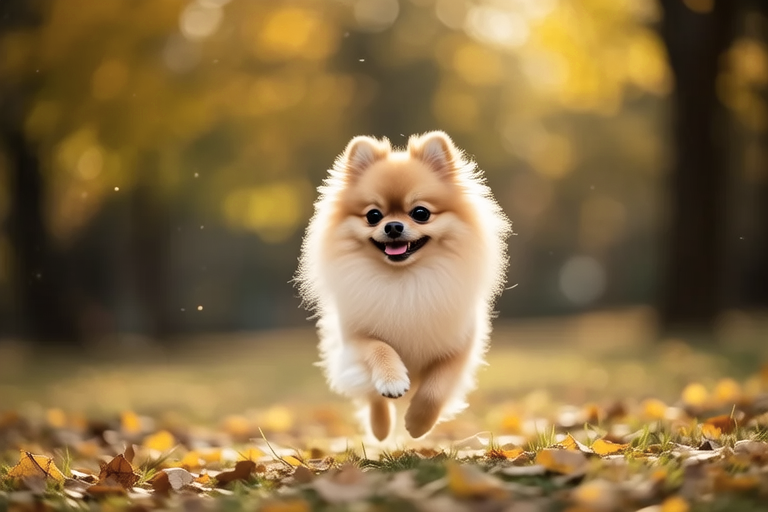
Adorable and Energetic: Unleashing the True Potential of a Pomeranian
The Pomeranian, often referred to as a Pom, is a breed that captures hearts with its charming appearance and compact size. These little dogs are typically between 3 and 7 pounds, making them perfect for apartments and small homes. Their luxurious, fluffy coats come in a variety of colors, including orange, black, cream, and red, adding to their appeal. The Pom’s expressive eyes and alert demeanor give them a regal look, reminiscent of their larger relative, the Spitz.
A Lively and Affectionate Companion
Pomeranians are known for their lively and affectionate nature, making them excellent companions for families and individuals alike. Their energy levels are high, and they thrive on interaction with their human family members. A study conducted by the American Kennel Club (AKC) found that Pomeranians rank among the most affectionate breeds, consistently seeking out human attention and companionship.
One owner, Sarah, shared her experience, saying, “My Pom, Charlie, follows me everywhere. He loves to be involved in everything I do, from cooking to reading. His enthusiasm is contagious, and he brings so much joy into my life.”
Intelligence and Trainability
Pomeranians are highly intelligent and eager to learn, which contributes significantly to their trainability. This intelligence means they can quickly grasp new commands and tricks, making training sessions both enjoyable and effective. However, their smartness also requires consistent reinforcement and positive reinforcement techniques to avoid confusion or frustration.
Training your Pom can be a delightful experience. For instance, teaching basic commands like ‘sit’, ‘stay’, and ‘come’ can be done through short, frequent sessions filled with praise and treats. Positive reinforcement techniques, such as clicker training, can be particularly effective with this breed.
Mental and Physical Stimulation
To keep your Pomeranian happy and healthy, it’s essential to provide both mental and physical stimulation. Physically, Pomeranians need regular exercise, despite their small size. Daily walks, playtime in a secure area, and interactive toys can help them burn off excess energy. Mental stimulation is equally important; puzzles, agility courses, and obedience training are great ways to challenge their minds.
Anecdotal evidence suggests that Pomeranians who receive adequate mental and physical stimulation tend to be calmer and less prone to behavioral issues. For example, one owner noticed a significant improvement in her Pom’s behavior after incorporating puzzle toys into his routine. Instead of barking excessively due to boredom, he now enjoys solving puzzles and remains calm throughout the day.
Grooming and Common Health Issues
Grooming is an integral part of maintaining a Pomeranian’s health and appearance. Their thick, double coat requires regular brushing to prevent matting and reduce shedding. Bathing should be done every few months or as needed, using a mild dog shampoo. Additionally, their nails should be trimmed regularly, and their teeth should be brushed weekly to maintain oral hygiene.
Common health issues in Pomeranians include luxating patella (dislocated kneecap), tracheal collapse, and dental problems. Regular vet check-ups and preventive care can help manage these conditions. For instance, maintaining a healthy weight can alleviate pressure on the joints and reduce the risk of patellar luxation.
Conclusion
Adopting a Pomeranian can be a rewarding experience for those willing to invest time and effort into their care. By understanding their charming appearance, lively and affectionate nature, intelligence, and the importance of proper care, you can unleash the true potential of your Pom. Whether it’s through training, play, or grooming, each aspect contributes to their overall happiness and well-being. With love, patience, and the right care, your Pomeranian will become a cherished member of your family, bringing joy and companionship for years to come.