
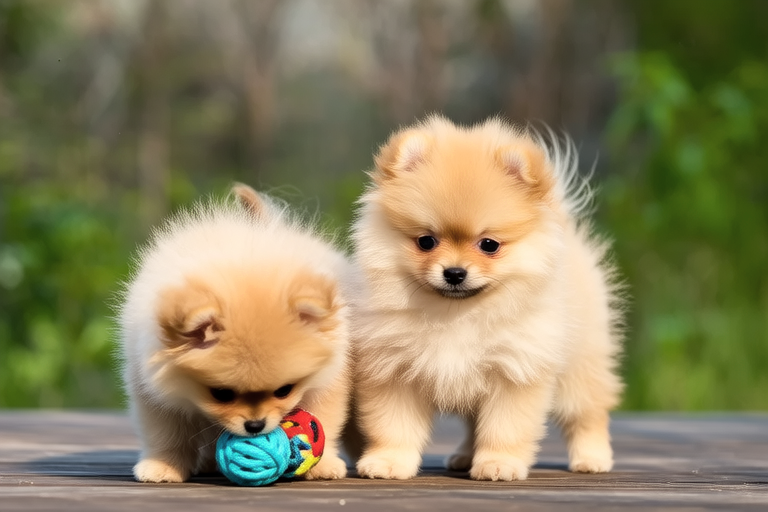
The Cutest Little Fluffballs You’ll Ever Meet: Raising Pomeranians Right
Welcome to the wonderful world of Pomeranians! These tiny, fluffy bundles of joy have captured hearts worldwide with their charming personalities and adorable appearances. Known for their small size and big presence, Pomeranians are a favorite among dog lovers. Their unique blend of elegance and playfulness makes them perfect companions for families, singles, and seniors alike. In this guide, we will explore everything you need to know about raising these delightful creatures right.
Origins of the Pomeranian
Pomeranians hail from the region of Pomerania in Northern Europe, which today encompasses parts of Poland and Germany. Originally bred as working dogs, they were much larger in size, akin to their relative, the Samoyed or German Spitz. Over time, selective breeding reduced their size significantly, transforming them into the compact, fluffy dogs we adore today. Despite their diminutive stature, Pomeranians retain many of the traits that made their ancestors excellent working dogs, including intelligence, loyalty, and a strong protective instinct.
A Typical Appearance
One look at a Pomeranian, and it’s easy to see why they’re often called “the cutest little fluffballs.” Their double coat is their most striking feature, with a soft undercoat and a thick, longer outer coat that gives them a luxurious, fluffy appearance. The breed comes in a variety of colors, including orange, cream, black, brown, and even parti-colors. They typically stand around 6 to 7 inches tall at the shoulder and weigh between 3 to 7 pounds. Their small size, combined with their expressive faces and alert demeanor, makes them irresistible to pet lovers everywhere.
Personality Traits
Beyond their looks, Pomeranians are known for their lively and spirited personalities. They are incredibly loyal and form strong bonds with their owners. This devotion can sometimes manifest as a tendency towards territorial behavior, especially if they sense a threat to their family. Despite their small size, Pomeranians are fearless and will bark to alert their humans of any perceived danger. They are also very social animals, enjoying the company of other pets and people. Their playful nature makes them great companions for children, but it’s important to supervise interactions to ensure safety for both the child and the dog.
Raising Your Pomeranian: Essential Tips
Nutrition
Proper nutrition is key to keeping your Pomeranian healthy and happy. Given their small size, it’s crucial to feed them high-quality, age-appropriate dog food that meets their nutritional needs. Consult with your veterinarian to determine the best diet for your Pomeranian based on their age, activity level, and overall health. Avoid overfeeding, as obesity can lead to serious health problems. Treats should be given sparingly and should never exceed 10% of their daily caloric intake.
Grooming Needs
Pomeranians require regular grooming to maintain their beautiful coats. Brushing them at least twice a week helps prevent matting and keeps their fur healthy and shiny. During shedding seasons, daily brushing may be necessary. Professional grooming every few months is recommended to keep their coat looking its best. Pay special attention to their ears and eyes, checking for signs of infection or irritation. Regular nail trimming and dental care are also important aspects of their grooming routine.
Exercise Routines
Despite their small size, Pomeranians are full of energy and need regular exercise to stay healthy. Daily walks or play sessions in a secure area are ideal. Mental stimulation is just as important as physical exercise, so consider incorporating puzzle toys or interactive games into their routine. Be mindful of their size when exercising; while they enjoy outdoor activities, they can easily overexert themselves, leading to fatigue or injury.
Training Methods
Training a Pomeranian can be both rewarding and challenging. Their intelligence and independence make them quick learners, but they can also be stubborn at times. Positive reinforcement techniques, such as treats and praise, work well for this breed. Consistency is key in training, as Pomeranians thrive on routine and structure. Early socialization is crucial to ensure they grow up to be well-adjusted, friendly dogs. Enroll them in puppy classes or take them to parks where they can interact with other dogs and people.
Common Health Issues and Prevention
Like all breeds, Pomeranians are prone to certain health issues. Some of the most common include:
- Patellar Luxation: A condition where the kneecap slips out of place. Regular veterinary check-ups and maintaining a healthy weight can help prevent this issue.
- Hypothyroidism: An underactive thyroid gland can cause weight gain, lethargy, and other symptoms. Regular blood tests can help diagnose and manage this condition.
- Tracheal Collapse: A degenerative condition that affects the windpipe, causing breathing difficulties. Keeping your Pomeranian at a healthy weight can reduce the risk of this issue.
- Dental Disease: Regular dental care, including brushing their teeth and providing chew toys, can help prevent dental issues.
Regular vet visits, a balanced diet, and a healthy lifestyle can go a long way in preventing these conditions and ensuring your Pomeranian lives a long, healthy life.
The Bond Between Owner and Pomeranian
The relationship between an owner and their Pomeranian is one of the most rewarding aspects of owning this breed. Pomeranians are deeply attached to their families and thrive on companionship. They are always ready for cuddles and affection, making them ideal lap dogs. However, like any pet, owning a Pomeranian comes with responsibilities. Providing them with a loving home, proper care, and attention ensures they live a fulfilling life. The joy they bring to your life is immeasurable, and the bond you share is truly special.
In conclusion, raising a Pomeranian is a rewarding experience that requires love, patience, and dedication. By understanding their origins, appearance, and personality, and by following the tips outlined in this guide, you can provide your Pomeranian with the best possible life. Embrace the joys and responsibilities of ownership, and you’ll find that your Pomeranian is not just a pet but a cherished member of your family.