
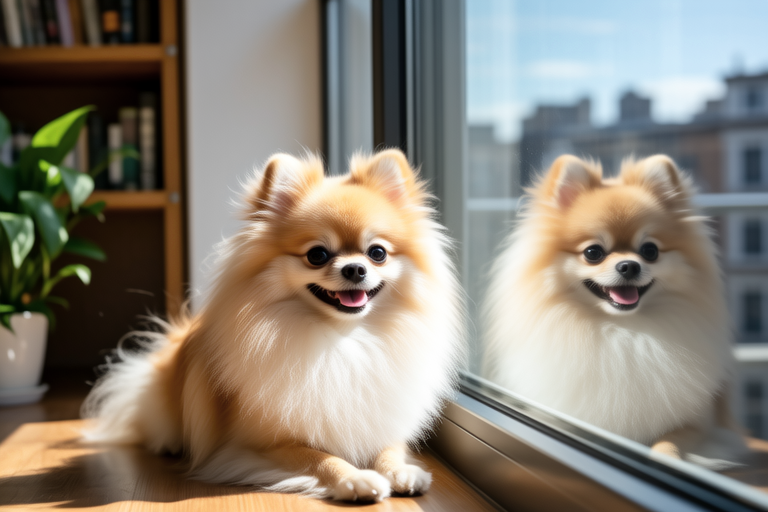
Pomeranians: The Perfect Apartment Companion?
Welcome to the world of Pomeranians, a breed that has captured hearts with its charming appearance and spirited personality. These small dogs, often called Pom-Poms, have been cherished companions for centuries. This article explores whether Pomeranians are indeed the perfect apartment companion, examining their size, energy levels, grooming needs, adaptability, vocal tendencies, and interaction with other pets and children. We’ll also provide tips for first-time dog owners, discuss common health issues, and offer ways to ensure a happy, healthy Pomeranian in an apartment setting.
The Ideal Size for Apartment Living
One of the most appealing aspects of Pomeranians is their petite size, typically weighing between 3 and 7 pounds. Their compact stature makes them an excellent fit for apartment living, where space can be limited. Unlike larger breeds, Pomeranians don’t require sprawling backyards for exercise. However, their diminutive size doesn’t mean they lack energy; Pomeranians are known for their high activity levels.
Energy Levels and Exercise Needs
Pomeranians are full of vitality despite their small size. They need regular exercise to maintain their health and well-being. A daily walk or play session in the apartment complex’s common areas will suffice. However, it’s essential to note that Pomeranians can be prone to obesity if not given adequate physical activity. Providing mental stimulation through interactive toys can also help keep them engaged and prevent boredom.
Grooming Needs
Pomeranians have long, fluffy coats that require regular grooming. Their thick fur can mat easily, so brushing them at least twice a week is recommended. Bathing should be done every few weeks or as needed, depending on their level of dirtiness. Regular nail trimming and ear cleaning are also necessary to keep them in top condition. While grooming can be time-consuming, it’s a great way to bond with your pet.
Adaptability to Apartment Life
Pomeranians are highly adaptable dogs, making them suitable for various living environments, including apartments. They are intelligent and quick learners, which aids in adapting to new surroundings. However, it’s crucial to introduce them gradually to their new home and establish a routine to help them feel secure and comfortable. Providing a cozy bed and familiar items from their previous environment can ease the transition.
Vocal Tendencies
One characteristic that potential owners should be aware of is Pomeranians’ tendency to bark. They can be quite vocal, often barking at unfamiliar sounds or visitors. This trait can be both a benefit and a drawback in an apartment setting. It’s beneficial for alerting you to any unusual activities but may disturb neighbors if not managed properly. Training them to stop barking on command is essential for maintaining peace in the apartment building.
Interaction with Other Pets and Children
Pomeranians are generally friendly and get along well with other pets and children when properly socialized. Early exposure to different animals and people helps them develop good social skills. However, due to their small size, they can be easily injured by overly enthusiastic children or larger pets. Supervision is key to ensuring safe interactions.
Tips for First-Time Dog Owners
For those new to dog ownership, Pomeranians can be a rewarding choice. Their intelligence and eagerness to please make them relatively easy to train. Basic obedience training should start early and be consistent. Positive reinforcement techniques work best with this breed. Additionally, providing plenty of mental and physical stimulation is crucial for their well-being.
Common Health Issues
Like all breeds, Pomeranians are susceptible to certain health issues. Some common concerns include dental problems, patellar luxation (dislocated kneecap), hypoglycemia (low blood sugar), and tracheal collapse. Regular veterinary check-ups and proper care can help mitigate these risks. Maintaining a balanced diet and monitoring their weight are vital for preventing many health issues.
Ensuring a Happy, Healthy Pomeranian in an Apartment Setting
To ensure your Pomeranian thrives in an apartment setting, consider the following:
- Regular Exercise: Ensure they get enough physical activity each day.
- Mental Stimulation: Provide puzzles and interactive toys.
- Proper Grooming: Maintain their coat and hygiene regularly.
- Socialization: Introduce them to various people and pets.
- Training: Establish basic commands and rules.
- Healthcare: Schedule routine vet visits and vaccinations.
Comparison with Other Small Breeds
When considering a small breed for apartment living, several options come to mind, such as Chihuahuas, Shih Tzus, and Yorkshire Terriers. Each breed has unique characteristics that make them suitable for apartment life. For instance, Chihuahuas are similar in size to Pomeranians but tend to be more independent and less vocal. Shih Tzus are known for their gentle nature and minimal shedding, while Yorkies are energetic and require less grooming than Pomeranians.
Conclusion: Are Pomeranians the Perfect Apartment Companion?
Ultimately, whether Pomeranians are the perfect apartment companion depends on individual preferences and lifestyle. Their small size, adaptability, and affectionate nature make them excellent candidates for apartment living. However, their high energy levels, grooming needs, and vocal tendencies must be carefully considered. By understanding their requirements and providing proper care, Pomeranians can bring joy and companionship to apartment dwellers. If you’re looking for a lively, loving companion who thrives in close quarters, a Pomeranian might just be the perfect match for you.