
Adorable Fluff Ball: Everything You Need to Know About Pomeranians
Welcome to the world of Pomeranians! These tiny, fluffy dogs have captured the hearts of dog lovers for centuries. Originating from the cold regions of Northern Europe, particularly the province of Pomerania, these little fluff balls were originally bred as working dogs. However, over time, they’ve evolved into charming companions known for their cheerful demeanor and luxurious coats. Today, Pomeranians are one of the most popular toy breeds, adored for their cute appearance and lively personalities.
Physical Characteristics
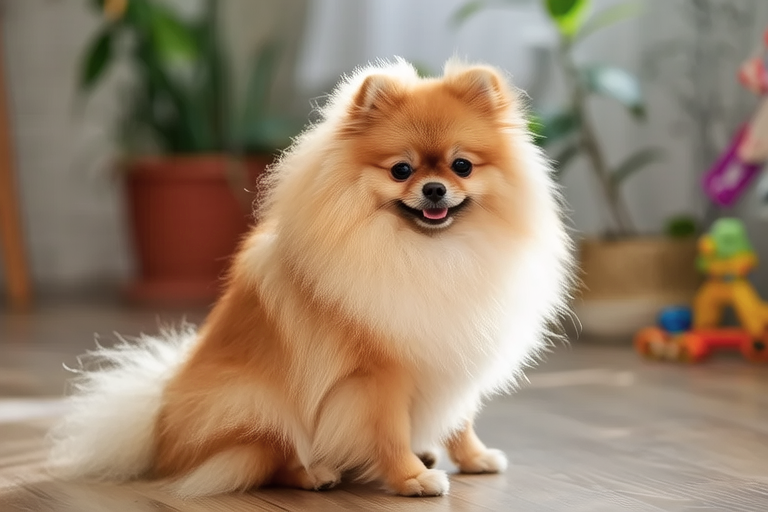
Pomeranians are small dogs that typically weigh between 3 to 7 pounds and stand about 6 to 7 inches tall at the shoulder. Their most striking feature is their thick, double coat that can come in a variety of colors including orange, black, cream, brown, and even parti-colors. The outer coat is long, straight, and harsh, while the undercoat is soft and dense. This combination gives them their signature fluffy appearance, making them look like walking clouds.
Temperament
Despite their diminutive size, Pomeranians are full of energy and confidence. They are intelligent, alert, and often quite vocal, which makes them excellent watchdogs. These traits, combined with their affectionate nature towards their families, make them ideal companions. Pomeranians love to be the center of attention and are generally good with children, provided they are treated gently. However, due to their small size, it’s important to teach children how to handle them carefully.
Common Health Issues
Like all breeds, Pomeranians are prone to certain health issues. Some of the most common problems include:
- Patellar Luxation: A condition where the kneecap dislocates from its normal position.
- Tracheal Collapse: The windpipe weakens and collapses, causing breathing difficulties.
- Dental Problems: Pomeranians often suffer from tooth decay and gum disease.
- Hypoglycemia: Low blood sugar, especially in young puppies.
- Epilepsy: Seizures caused by abnormal electrical activity in the brain.
Regular veterinary check-ups and proper care can help manage these conditions and ensure your Pomeranian lives a healthy life.
Grooming Tips
Pomeranians require regular grooming to maintain their luxurious coats. Here are some tips to keep your furry friend looking their best:
- Bathing: Bathe your Pomeranian every 4 to 8 weeks, depending on their activity level and environment. Use a mild shampoo specifically formulated for dogs.
- Brushing: Brush your Pomeranian’s coat daily to prevent matting and tangles. Use a slicker brush and a comb to remove any loose hair and debris.
- Nail Trimming: Trim your Pomeranian’s nails every few weeks to prevent overgrowth. Be careful not to cut the quick, which contains blood vessels and nerves.
- Tooth Care: Brush your Pomeranian’s teeth regularly to prevent dental problems. You can use a dog-specific toothbrush and toothpaste.
- Eyebrow and Facial Hair: Trim or pluck the hair around their eyes to prevent irritation and tear staining.
With consistent grooming, you’ll keep your Pomeranian looking neat and tidy, and you’ll strengthen the bond between you two.
Training Tips
Training a Pomeranian requires patience and positive reinforcement. Here are some tips to help you train your new furry friend:
- Start Early: Begin training your Pomeranian as soon as you bring them home. Early socialization is key to raising a well-behaved dog.
- Use Positive Reinforcement: Reward good behavior with treats, praise, and affection. Avoid punishment-based training methods, as they can damage the bond between you and your dog.
- Be Consistent: Establish clear rules and stick to them. Consistency is crucial for effective training.
- Keep Training Sessions Short: Pomeranians have short attention spans, so keep training sessions brief and fun.
- Teach Basic Commands: Start with basic commands like ‘sit’, ‘stay’, ‘come’, and ‘leave it’. Once your Pomeranian masters these commands, you can move on to more advanced training.
Remember, training is a process that takes time and effort, but the rewards are well worth it.
Exercise Needs
Pomeranians may be small, but they are full of energy and require regular exercise to stay healthy and happy. Here are some ways to keep your Pomeranian active:
- Short Walks: Take your Pomeranian for short walks every day. They enjoy exploring their surroundings and getting some fresh air.
- Playtime: Engage your Pomeranian in play activities like fetch, tug-of-war, or hide-and-seek. Playing is a great way to burn off excess energy.
- Interactive Toys: Provide your Pomeranian with interactive toys that challenge their mind and body. Puzzle toys and treat-dispensing toys are great options.
- Supervised Play: If you have other pets or children in the household, supervise all interactions to ensure safety.
- Mental Stimulation: Pomeranians are intelligent dogs that need mental stimulation. Consider teaching them new tricks or engaging them in obedience training.
By providing your Pomeranian with regular exercise and mental stimulation, you’ll help them lead a fulfilling and healthy life.
Choosing the Right Pomeranian
When choosing a Pomeranian, it’s important to find a reputable breeder who prioritizes the health and well-being of their dogs. Look for breeders who provide health certifications for their dogs and allow you to meet the parents. Additionally, consider adopting a Pomeranian from a rescue organization if you’re open to the idea. Many shelters and rescues have Pomeranians available for adoption, and adopting a rescue dog can be a rewarding experience.
Integrating Your Pomeranian Into the Family
Once you’ve chosen your Pomeranian, it’s time to integrate them into your family. Here are some tips to help you get started:
- Create a Comfortable Space: Set up a cozy bed or crate for your Pomeranian in a quiet area of your home. Make sure it’s easily accessible and comfortable.
- Establish Routines: Dogs thrive on routine, so establish a daily schedule for feeding, potty breaks, and playtime.
- Socialize: Introduce your Pomeranian to different people, animals, and environments to help them become well-adjusted and confident.
- Be Patient: Adjusting to a new home can be stressful for a dog, so give your Pomeranian time to settle in. Be patient and understanding during this transition period.
- Seek Professional Help: If you encounter any behavioral issues, don’t hesitate to seek professional help from a veterinarian or certified trainer.
By following these tips, you’ll help your Pomeranian feel at home and become a cherished member of your family.
In conclusion, Pomeranians are delightful companions that bring joy and happiness to their owners. With their adorable appearance, playful personalities, and loyal nature, they make wonderful additions to any family. By providing them with proper care, training, and attention, you’ll ensure that your Pomeranian leads a happy and healthy life. So, if you’re looking for a loving and lovable companion, consider welcoming a Pomeranian into your home. You won’t be disappointed!