
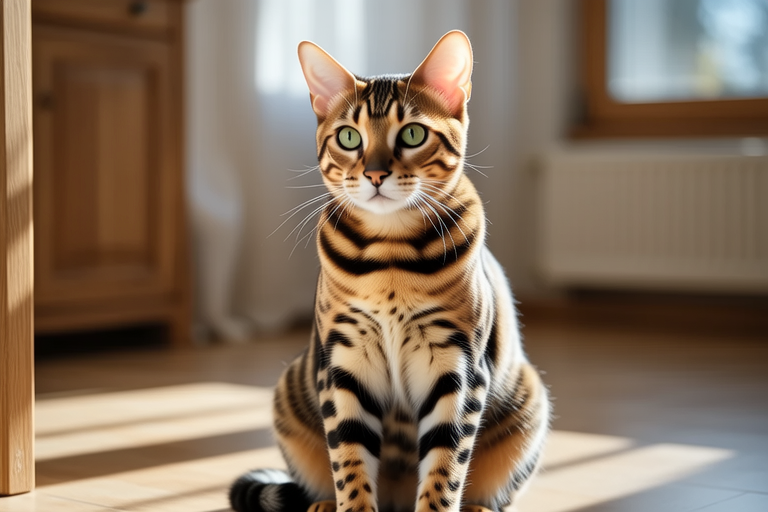
Spots and Stripes: Discovering the Unique Beauty of Bengal Cats
Bengal cats have captured the hearts of cat enthusiasts worldwide with their striking appearance and engaging personalities. These felines are a testament to the wonders of nature, blending the grace of wildcats with the charm of domestic companions. In this article, we delve into the fascinating world of Bengal cats, exploring their origins, distinctive coat patterns, energetic natures, and the care they require to thrive. We’ll also share insights from Bengal cat owners who will attest to the unique beauty and companionship these cats offer.
The Origins of Bengal Cats
Bengal cats trace their lineage back to the Asian leopard cat (ALC), a small wild feline native to Asia. The breeding of Bengals began in the 1960s when Dr. Willard Centerwall crossed ALCs with domestic shorthair cats to study genetic resistance to feline leukemia virus. This crossbreeding introduced the wild ALC genes into the domestic cat population, resulting in a new breed that would eventually be named after the scientific name of the Asian leopard cat, Prionailurus bengalensis.
The first generation of Bengals, known as F1s, were primarily wild, but subsequent generations became more domesticated and less wild. Today’s Bengal cats are typically four or more generations removed from their wild ancestors, making them safe and enjoyable pets for most households. Despite their wild roots, Bengals have adapted well to domestic life, bringing with them a sense of adventure and curiosity that captivates their owners.
Distinctive Coats: Spots and Marbles
One of the most striking features of Bengal cats is their coat, which can come in two distinct patterns: spotted and marbled. Spotted Bengals have large, bold spots that resemble those of their wild ancestors, while marbled Bengals exhibit swirling patterns reminiscent of marble. Both patterns are mesmerizing, and each Bengal cat carries its own unique design.
The genetics behind these patterns are complex. The spotted pattern is controlled by the sp gene, which is dominant over the wild-type gene responsible for solid coloration. The marbled pattern, on the other hand, is influenced by the o gene, which produces a tabby-like pattern. Breeders carefully select pairs to achieve the desired coat patterns, ensuring that each Bengal cat showcases its wild heritage through its stunning coat.
Not only are these coats visually appealing, but they also serve practical purposes. The dense, short fur of Bengals helps them retain body heat, making them comfortable in various climates. Additionally, their water-resistant coat allows them to enjoy swimming, a trait inherited from their wild ancestors.
Energetic and Playful Nature
Beyond their striking appearance, Bengal cats are known for their high energy levels and playful demeanor. They are curious, intelligent, and love to explore their surroundings. Owners often describe their Bengals as “miniature leopards,” always on the move and eager to engage in interactive play.
To keep a Bengal cat happy and healthy, it’s important to provide plenty of mental and physical stimulation. Interactive toys, such as laser pointers, feather wands, and puzzle feeders, are excellent choices. Bengals also enjoy climbing and jumping, so investing in a tall cat tree or providing shelves for them to perch on can help satisfy their natural instincts. Agility courses, where you set up obstacles for your cat to navigate, are another fun way to keep your Bengal entertained.
Outdoor activities are also beneficial for Bengals, especially if done safely. Supervised outdoor time, harness training, or even leash walking can allow your cat to experience the world beyond the confines of your home. However, it’s crucial to ensure their safety by keeping them indoors or providing secure enclosures.
Caring for Bengal Cats
Proper care is essential to ensure your Bengal cat leads a long, healthy, and happy life. Here are some key aspects of Bengal cat care:
Dietary Needs
Bengals are obligate carnivores, meaning their diet should consist primarily of animal-based proteins. High-quality commercial cat foods, particularly those formulated for indoor cats, are generally sufficient. However, many Bengal owners choose to supplement their cat’s diet with raw or cooked meat, as this closely mimics their natural prey. It’s important to consult with a veterinarian before making any significant changes to your cat’s diet.
In addition to protein, Bengals require a balanced intake of fats, vitamins, and minerals. Omega-3 fatty acids, found in fish oil, are particularly beneficial for maintaining skin and coat health. Fresh water should always be available, and regular meals should be spaced out throughout the day to prevent obesity, a common issue among indoor cats.
Grooming Specifics
Bengal cats have a short, dense coat that requires minimal grooming. Weekly brushing with a soft-bristled brush can help remove loose hairs and distribute natural oils, promoting a shiny coat. Bathing is rarely necessary unless the cat gets particularly dirty or has a medical condition. Over-bathing can strip the coat of its natural oils, leading to dry skin.
Like all cats, Bengals need regular nail trimming and dental care. Trim nails every few weeks to prevent overgrowth and scratching damage. Use a cat-specific nail trimmer and styptic powder to stop bleeding in case of accidental cuts. Dental hygiene is crucial; regular tooth brushing and dental treats can help prevent periodontal disease. Annual veterinary check-ups are also essential for overall health monitoring.
Why Bengal Cats Make Unique, Beautiful Companions
Beyond their physical beauty and energetic nature, Bengal cats offer a unique companionship that sets them apart from other breeds. Their intelligence and curiosity mean they form strong bonds with their owners, often following them around the house and seeking attention. Many owners report that their Bengals are incredibly affectionate, rubbing against their legs and purring contentedly.
Here are a few testimonials from Bengal cat owners:
“Our Bengal, Luna, is like having a little lion in our home. She’s full of energy and loves to play, but she’s also incredibly loving and always wants to be near us. She’s definitely one of a kind!” – Sarah M.
“We adopted a Bengal kitten, Max, and he’s been a joy since the moment we brought him home. He’s very social and enjoys being part of family activities. His playful nature never fails to brighten our days.” – John D.
These anecdotes highlight the unique qualities that make Bengal cats beloved companions. Whether it’s their striking appearance, playful antics, or affectionate nature, Bengal cats bring something special to every household they join.
In conclusion, Bengal cats are a captivating blend of wild heritage and domestic charm. Their distinctive coats, energetic personalities, and unique companionship make them stand out among other cat breeds. By understanding their origins, coat patterns, and specific care requirements, potential owners can ensure that their Bengal cats lead fulfilling lives. Whether you’re considering adopting a Bengal or simply looking to learn more about this remarkable breed, their unique beauty is sure to leave a lasting impression.