
Living with a Leopard at Home: Inside the World of Bengal Cats
Bengal cats, often referred to as ‘leopard cats’ due to their striking resemblance to wild leopards, have captured the hearts of many animal enthusiasts. These domesticated felines are not only visually stunning but also possess unique personalities that set them apart from other breeds. Their origins trace back to the selective breeding of Asian leopard cats with domestic cats, resulting in a breed that combines the best of both worlds.
The Origins of Bengal Cats
The story of the Bengal cat began in the mid-20th century when Jean Mill, a geneticist, sought to create a domestic cat with the beautiful markings of the Asian leopard cat (ALC). She began crossing ALCs with domestic shorthair cats, aiming to produce a cat that was both aesthetically appealing and friendly towards humans. Over several generations, the breeders focused on enhancing the physical traits and temperaments of these hybrid offspring, leading to the establishment of the modern Bengal cat. Today, Bengals are recognized by major cat registries worldwide for their distinctive appearance and amiable nature.
Unique Characteristics of Bengal Cats
Physical Traits
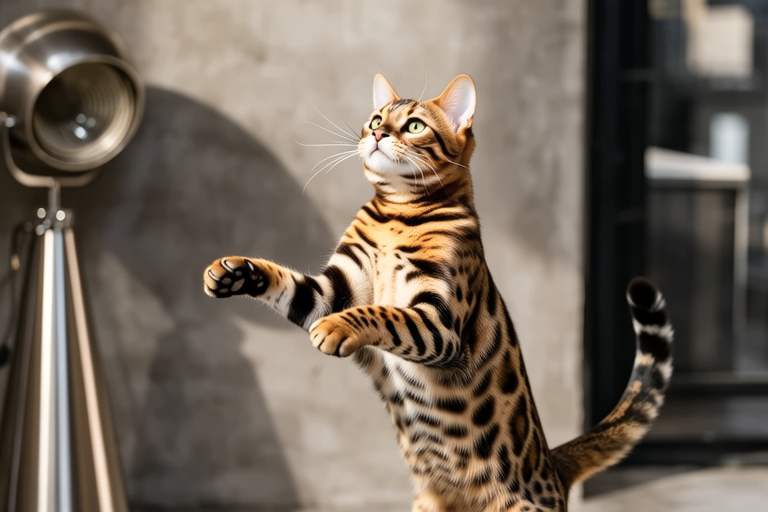
Bengals are renowned for their sleek, muscular bodies, large, almond-shaped eyes, and coats adorned with rosettes or marbling patterns. Their coats can range from golden to silver, often with intricate spots or stripes that mimic the coat of their wild ancestors. One of the most remarkable features of Bengal cats is their short, dense fur, which feels like satin to the touch. This luxurious coat is the result of a recessive gene called the inhibitor gene, which dilutes the color of the cat’s base coat, allowing the rosettes and spots to stand out more prominently.
Personality and Intelligence
Beyond their striking appearance, Bengal cats are known for their high energy levels and playful dispositions. They are curious, adventurous, and often engage in activities that keep their minds stimulated. Many Bengal owners describe their cats as being ‘dog-like’ in their loyalty and affection, often following their owners around the house and participating in daily routines. Bengals are highly intelligent and can be trained to perform simple tricks or commands, further endearing them to their owners.
Caring for a Bengal Cat
Dietary Needs
Like all cats, Bengal cats require a balanced diet rich in proteins and essential nutrients. High-quality commercial cat foods designed for active breeds are recommended, as they provide the necessary vitamins and minerals to support their robust health. Owners should ensure that their Bengals have access to clean water at all times and consider supplementing their diet with occasional treats, such as cooked chicken or fish, to add variety and interest to their meals.
Exercise Requirements
Bengals are incredibly active and need plenty of opportunities to burn off their energy. Providing them with interactive toys, climbing structures, and scratching posts can help satisfy their natural instincts while keeping them entertained. Regular play sessions with their owners are also beneficial, fostering a strong bond between the cat and its human companion.
Grooming Tips
Despite their short fur, Bengal cats still require regular grooming to maintain their luxurious coats. Weekly brushing helps remove loose hair and prevents matting, while also stimulating the skin and promoting healthy circulation. Bathing is generally unnecessary unless the cat gets particularly dirty or has a medical condition that requires it. Regular nail trimming and ear cleaning are also important aspects of maintaining a Bengal’s overall hygiene.
Misconceptions About Owning Exotic-Looking Pets
One common misconception about owning a Bengal cat is that they are wild animals and therefore difficult to care for. While it is true that Bengals have wild ancestry, they are thoroughly domesticated and can make excellent companions for the right owner. Another myth is that they require special permits or licenses to own. In most regions, Bengals are treated no differently from other domestic cat breeds and do not necessitate any additional legal documentation.
Anecdotes and Expert Opinions
Many Bengal cat owners share stories of their pets’ unique behaviors and personalities. Some recount how their Bengals have learned to open doors or cabinets, showcasing their problem-solving skills and cleverness. Others speak of the deep emotional connections formed with their feline companions, highlighting the joy and companionship these cats bring into their lives.
Experts in feline behavior agree that Bengals are not for everyone. Their high energy and intelligence mean that they require an owner who is willing to invest time and effort into providing mental and physical stimulation. However, for those who are prepared to meet these needs, Bengals can be incredibly rewarding pets.
Conclusion
Bengal cats are extraordinary companions for the right owners, offering a unique blend of beauty, intelligence, and affection. Their striking resemblance to leopards, combined with their playful and loyal personalities, makes them a favorite among cat lovers. By understanding the specific needs of this breed and committing to responsible pet ownership, Bengal owners can enjoy the many benefits of sharing their home with one of these magnificent creatures. Whether you’re considering adding a Bengal to your family or simply appreciate the world of feline diversity, these cats continue to captivate and inspire admiration.