
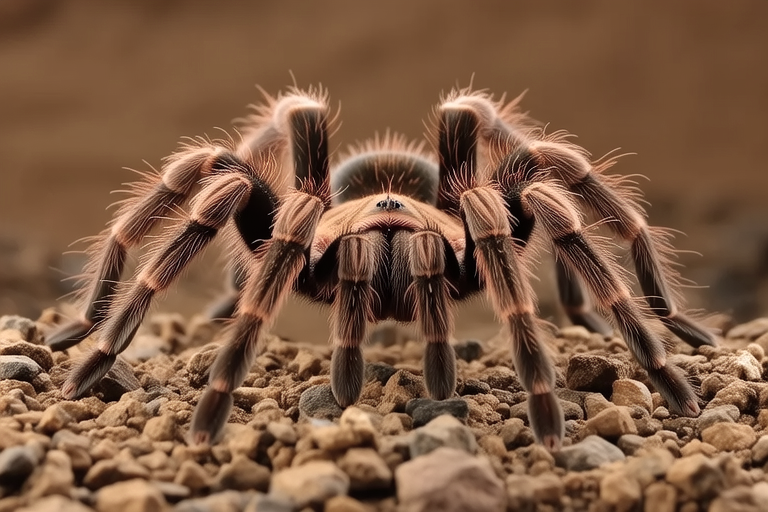
The Truth About Chilean Rose Tarantulas: Debunking Myths and Educating Owners
The Chilean rose tarantula (Grammostola rosea) is one of the most popular pet tarantulas due to its docile nature, striking appearance, and relatively low maintenance requirements. However, like many misunderstood creatures, this species is often surrounded by misconceptions that can lead to improper care and management. This article aims to separate fact from fiction regarding the temperament, diet, care requirements, and habitat preferences of the Chilean rose tarantula, providing accurate information based on scientific studies and expert advice.
Temperament: A Misunderstood Aspect
One of the most pervasive myths about the Chilean rose tarantula is that it is aggressive and prone to biting. While it’s true that any animal can defend itself if provoked, the Chilean rose tarantula is generally known for its calm demeanor. These spiders rarely bite humans unless they feel extremely threatened or mishandled. In captivity, they are more likely to flick urticating hairs (small, barbed hairs) at perceived threats than to attack.
Contrary to popular belief, handling your Chilean rose tarantula can be a rewarding experience. With proper training and care, these spiders can become accustomed to gentle handling. Experts recommend waiting until the spider has fully molted before attempting to handle it, as molting is a vulnerable time for them.
Diet: Dispelling the Myth of Picky Eaters
Another common misconception is that Chilean rose tarantulas have very specific dietary needs. In reality, these spiders are opportunistic feeders and will eat a variety of insects, including crickets, mealworms, and waxworms. They can also consume small vertebrates like pinky mice occasionally. The key to a healthy diet lies in offering a balanced mix of protein sources and ensuring that prey items are appropriately sized for the spider’s age and size.
It’s important to note that overfeeding can lead to obesity and health issues. As a general guideline, feed adult Chilean rose tarantulas once every seven to ten days. Juveniles may require more frequent meals but should still be fed smaller prey items.
Care Requirements: Separating Fact from Fiction
Many novice owners assume that caring for a Chilean rose tarantula is straightforward, leading to inadequate setups that compromise the spider’s well-being. Proper care begins with creating an appropriate enclosure. A 10-gallon tank is suitable for adults, while juveniles can thrive in smaller enclosures. The substrate should be at least four inches deep, allowing the spider to burrow comfortably. Suitable substrates include coconut fiber, peat moss, or vermiculite.
Temperature and humidity are crucial factors in maintaining a healthy environment. Chilean rose tarantulas prefer temperatures between 75°F and 85°F (24°C to 29°C) and humidity levels around 60%. Providing a shallow water dish helps maintain moisture levels and allows the spider to drink when needed. It’s also essential to offer hiding spots within the enclosure, as these spiders are nocturnal and prefer secluded areas during the day.
Habitat Preferences: Understanding Their Natural Environment
Wild Chilean rose tarantulas inhabit the arid regions of Chile, where they live in burrows dug into the ground. Despite this preference, captive Chilean rose tarantulas can adapt to various environments, making them versatile pets. In captivity, they can thrive in both terrestrial and arboreal setups, depending on individual preferences.
Some myths suggest that Chilean rose tarantulas require elaborate decorations or plants within their enclosure. While adding branches or artificial plants can enhance the aesthetic appeal of the enclosure, it’s not necessary for the spider’s health. The primary focus should be on providing a secure, comfortable space that mimics their natural habitat.
Unique Characteristics: Color Variations and Defensive Behaviors
Chilean rose tarantulas exhibit a range of color variations, from light pink to dark brown, which can make each individual spider unique. These color differences are often influenced by genetics and environmental factors. Interestingly, younger spiders tend to have brighter colors, which may serve as camouflage in their natural habitats.
When threatened, Chilean rose tarantulas employ several defensive strategies beyond biting. Flicking urticating hairs is a common response, which can cause irritation to the eyes, nose, and skin of predators or handlers. Another defense mechanism involves rearing up on their hind legs, displaying their large fangs as a warning sign. Despite these defenses, Chilean rose tarantulas are generally docile and unlikely to engage in aggressive behavior unless provoked.
Tips for Potential Owners
If you’re considering adopting a Chilean rose tarantula, there are several steps you can take to ensure its well-being:
- Research thoroughly: Before purchasing, learn about the species’ care requirements and ensure you’re prepared to meet them.
- Choose a reputable breeder: Select a breeder who prioritizes the welfare of their animals and provides ethical breeding practices.
- Prepare the enclosure: Set up the enclosure with the appropriate substrate, temperature, and humidity levels before bringing your new pet home.
- Handle with care: Always approach your tarantula gently and avoid sudden movements that could startle it.
- Monitor regularly: Keep an eye on your spider’s behavior and physical condition, and consult a veterinarian specializing in exotic pets if you notice any signs of illness.
Conclusion
The Chilean rose tarantula is a fascinating and rewarding pet for those willing to invest time and effort into understanding its needs. By dispelling common myths and providing accurate information, we can help ensure that these spiders receive the care they deserve. Whether you’re a seasoned arachnid enthusiast or a first-time owner, approaching the Chilean rose tarantula with respect and knowledge will lead to a fulfilling and enjoyable experience.