
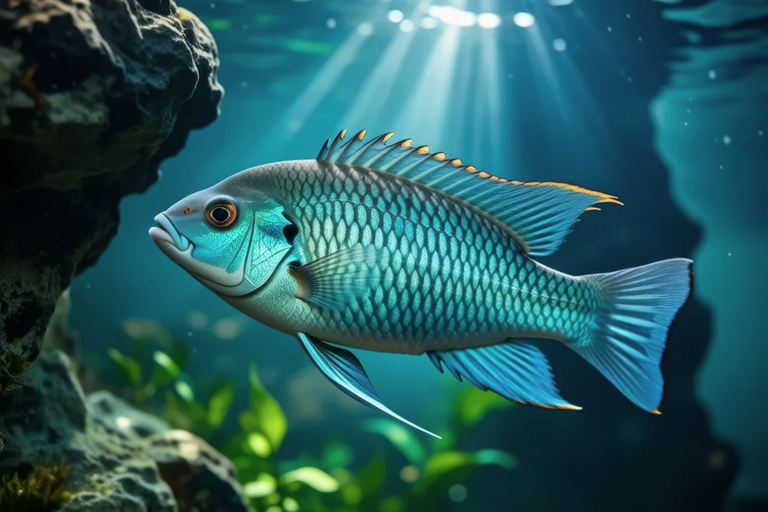
The Ultimate Guide to Feeding and Caring for Rajah Cichlids
Rajah cichlids, scientifically known as Aequidens rivulatus, are a captivating species of freshwater fish that have become increasingly popular among aquarium enthusiasts. These strikingly beautiful fish, native to the Amazon River basin, offer a unique challenge and joy for aquarists looking to maintain a thriving community tank. This guide aims to provide you with all the necessary information to ensure your Rajah cichlids live long, healthy lives.
Dietary Needs
Understanding the dietary requirements of Rajah cichlids is crucial for maintaining their health. In their natural habitat, these fish are omnivores, feeding on a variety of foods including insects, small crustaceans, and plant matter. To replicate this diet in captivity, it’s important to offer a balanced mix of protein-rich foods and vegetable-based meals.
- Protein Sources: High-quality flakes, pellets, and frozen or freeze-dried foods such as bloodworms, brine shrimp, and daphnia are excellent choices. These foods help meet their protein needs.
- Vegetable Matter: Supplement their diet with blanched vegetables like spinach, peas, and zucchini. Vegetables can be fed whole or mashed, depending on the size of the fish.
- Variety: Providing a varied diet not only ensures nutritional balance but also keeps the fish engaged and stimulated.
Feeding Schedules
Establishing a consistent feeding schedule is key to maintaining the health of your Rajah cichlids. Overfeeding can lead to poor water quality and obesity, while underfeeding may cause stress and malnutrition. A general guideline is to feed them twice daily, offering as much food as they can consume within five minutes. This practice helps monitor their appetite and overall well-being.
Water Conditions
Creating an environment that mimics their natural habitat is essential for the health and happiness of Rajah cichlids. Here are some critical factors to consider:
- Temperature: Maintain a water temperature between 75°F and 82°F (24°C to 28°C).
- pH Level: Aim for a pH range of 6.0 to 7.0. Rajah cichlids prefer slightly acidic water.
- Hardness: Water hardness should be kept at 3 to 12 dGH.
- Filtration: Use a high-quality filter to maintain water clarity and remove waste products.
- Aeration: Ensure adequate oxygen levels by using air stones or a powerhead.
Tank Setup
Setting up the perfect tank for Rajah cichlids involves careful consideration of their space and environmental needs. These fish require ample swimming room and hiding spots to thrive.
- Tank Size: A minimum tank size of 55 gallons is recommended for a single pair, with additional space for each additional fish.
- Decorations: Incorporate driftwood, rocks, and plants to create a naturalistic setting. Hiding spots are particularly important for reducing stress.
- Substrate: Fine gravel or sand is ideal for mimicking their natural riverbed habitat.
Selecting Tank Mates
Choosing compatible tank mates for Rajah cichlids requires careful thought due to their territorial nature. It’s advisable to house them with similarly sized, robust fish that can hold their own in case of aggression.
- Good Companions: Consider other large cichlids, robust tetras, and peaceful bottom-dwelling fish like plecos.
- Avoid: Small, timid fish that could be easily bullied or injured.
Managing Territorial Behavior
Rajah cichlids are known for their territorial tendencies, especially during breeding periods. To mitigate potential conflicts:
- Provide Hiding Spots: Offer numerous hiding places to reduce stress and provide safe spaces for less dominant individuals.
- Monitor Interactions: Keep a close eye on tank dynamics and be prepared to separate aggressive individuals if necessary.
Breeding Habits
Breeding Rajah cichlids can be rewarding but requires specific conditions:
- Conditioning: Provide a high-protein diet and ensure optimal water conditions.
- Spawning Sites: Offer flat surfaces or spawning mops for egg-laying.
- Care: After spawning, parents typically care for the eggs and fry. However, it’s wise to move the fry to a separate tank once they’re free-swimming.
Common Health Issues
Like any aquatic species, Rajah cichlids are susceptible to certain health problems:
- Fungal Infections: Often caused by poor water quality. Regular water changes and maintaining good hygiene are preventive measures.
- Ich: A parasitic infection characterized by white spots on the fish. Treatment includes raising water temperature and adding medication.
- Swim Bladder Problems: Can result from overfeeding or genetics. Encourage gentle exercise and avoid sudden changes in diet.
Maintenance Tips
To ensure the longevity and health of your Rajah cichlids, regular maintenance is essential:
- Water Changes: Perform partial water changes weekly to maintain water quality.
- Cleaning: Clean the tank decor and substrate regularly to prevent the buildup of harmful substances.
- Monitoring: Keep an eye on water parameters and adjust as necessary to keep them within the recommended ranges.
In conclusion, Rajah cichlids are a fascinating and rewarding addition to any aquarium. By understanding their dietary needs, creating an optimal tank environment, and being attentive to their health and behavior, you can enjoy a vibrant and healthy community of these magnificent fish. With dedication and care, your Rajah cichlids will thrive, bringing joy and beauty to your aquatic world.