
The Majestic Rajah Cichlid: Tank Mates, Diet, and Behavior Explained
Introduction
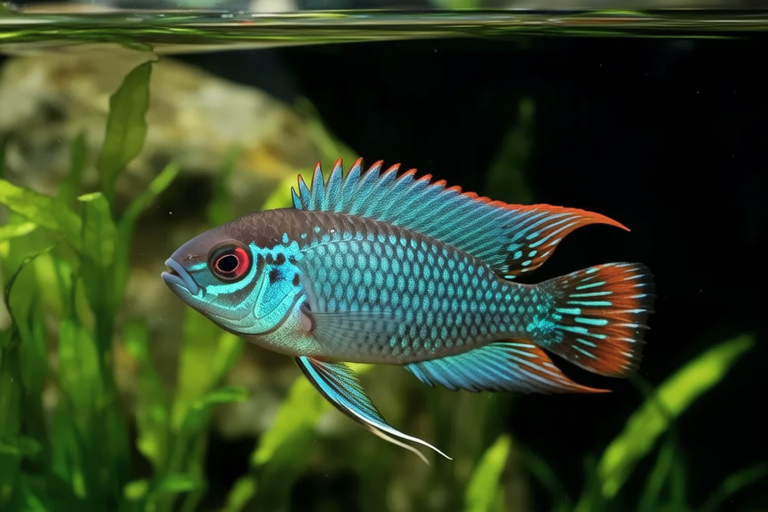
The Rajah Cichlid, scientifically known as Vicary’s cichlid or Aequidens rivulatus, is a striking freshwater fish native to South America. This cichlid is admired for its vibrant colors and impressive size, making it a popular choice among aquarium enthusiasts. Its robust body, adorned with iridescent blue, green, and yellow hues, adds a touch of elegance to any tank. Despite its aggressive nature, the Rajah Cichlid’s unique characteristics and care requirements make it an intriguing addition to any advanced aquarist’s collection.
Ideal Tank Setup
Creating the perfect environment for your Rajah Cichlid is crucial for its health and well-being. These fish require a spacious tank, ideally no smaller than 75 gallons, to accommodate their adult size and swimming needs. The tank should be equipped with plenty of hiding spots such as caves, rocks, and driftwood, which provide security and reduce stress. A sandy substrate is recommended, as it mimics their natural habitat and prevents injuries from sharp gravel.
Maintaining optimal water conditions is equally important. The water temperature should range between 74°F and 82°F (23°C to 28°C), with a pH level between 6.0 and 7.5. Hardness should be kept between 5° and 15° dGH. Regular water changes of about 20% every week are necessary to ensure the tank remains clean and free from harmful toxins.
Suitable Tank Mates
Selecting compatible tank mates for the Rajah Cichlid requires careful consideration due to its territorial nature. Ideally, these cichlids should be housed with other large, robust species that can defend themselves. Suitable tank mates include other cichlids like the Jack Dempsey or Green Terror, as well as robust catfish such as Plecos or Synodontis. Avoid smaller, more delicate fish like Tetras or Guppies, as they may become prey.
When introducing new fish into the tank, it is essential to observe their interactions closely. Aggression can escalate if there is insufficient space or inadequate hiding spots. Providing ample territory and ensuring that all fish have access to food can help mitigate conflicts.
Diet of the Rajah Cichlid
The Rajah Cichlid is an omnivorous species, meaning it requires a balanced diet of plant and animal matter. In the wild, their diet consists of algae, insects, small crustaceans, and plant matter. To replicate this in captivity, offer a variety of high-quality commercial cichlid pellets and flakes designed for omnivorous species. These pellets often contain essential nutrients such as vitamins and minerals necessary for their growth and health.
In addition to commercial foods, supplement their diet with live or frozen foods such as brine shrimp, bloodworms, and daphnia. These treats not only provide variety but also stimulate their natural feeding behaviors. Plant-based foods like spirulina tablets or zucchini can also be beneficial, especially for maintaining their vibrant colors.
It is important to note that overfeeding can lead to health issues, so feed them once or twice daily, offering only what they can consume within a few minutes. Monitor their weight and adjust feeding amounts accordingly.
Behavior of the Rajah Cichlid
Rajah Cichlids are known for their active and sometimes aggressive behavior. They are highly territorial, particularly during breeding season, and can display dominance over other tank inhabitants. However, with proper tank setup and adequate space, aggression can be managed.
Breeding the Rajah Cichlid is an exciting endeavor for dedicated aquarists. When ready to breed, they will select a suitable spawning site, typically a flat rock or the side of the tank. The female will lay eggs, which the male will then fertilize. Both parents will guard the eggs and newly hatched fry. Providing a separate breeding tank can enhance the chances of successful reproduction and protect the offspring from being eaten by other fish.
Despite their aggressive tendencies, Rajah Cichlids can interact positively with humans. They often become accustomed to their keepers and may even respond to regular feeding times. However, due to their size and strength, handling should be avoided unless absolutely necessary.
Tips for New Owners and Common Challenges
For new owners of Rajah Cichlids, patience and thorough research are key. Ensuring the tank is properly set up before introducing the fish can prevent many common problems. Regular monitoring of water quality and providing a varied diet are essential for maintaining their health.
One of the most common challenges faced by aquarists is managing aggression. Providing plenty of hiding spots and ensuring sufficient space can help alleviate territorial disputes. Additionally, it is crucial to observe their behavior regularly and be prepared to intervene if necessary.
Another challenge is ensuring the fish receive a balanced diet. Offering a variety of foods and monitoring their health can help address any nutritional deficiencies. Regular health checks and prompt action in case of illness are also vital.
Conclusion
The Rajah Cichlid is a magnificent and challenging addition to any aquarium. With its striking appearance, interesting behavior, and specific care requirements, it offers a rewarding experience for those willing to invest the time and effort. By understanding their needs and providing the right environment, you can enjoy the beauty and vitality of this majestic cichlid for years to come.