
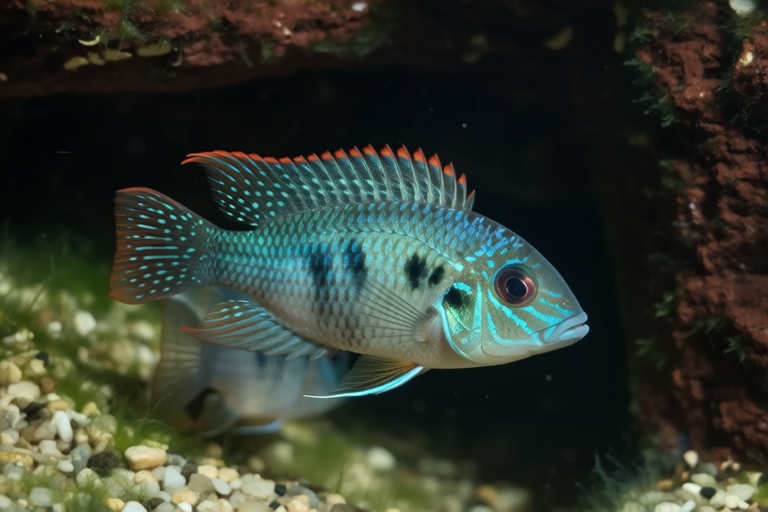
Rajah Cichlids: Social Behaviors, Compatibility, and Tank Setup
The Rajah Cichlid, scientifically known as Vieja synspilum, is a popular choice among cichlid enthusiasts due to its vibrant coloration and intriguing behavior. However, it’s often misunderstood because of its aggressive reputation. This article explores the social behaviors and compatibility of Rajah Cichlids with other tank inhabitants, analyzes their hierarchical tendencies, and provides insights into creating harmonious environments for these fish.
Understanding Rajah Cichlids
Rajah Cichlids are native to the waters of Central America, particularly in the lakes and rivers of Guatemala and Honduras. They are part of the Vieja genus, which includes several species of cichlids known for their robustness and territorial nature. These fish are characterized by their distinct markings and patterns, making them visually appealing additions to any aquarium.
Social Behaviors and Hierarchical Tendencies
Rajah Cichlids exhibit strong hierarchical tendencies within their social groups. In the wild, they form small schools, but in captivity, they can become highly territorial. Males, in particular, establish dominance through aggressive displays and physical confrontations. Females may also display aggression, especially during breeding periods.
When introducing Rajah Cichlids to an established tank, it’s crucial to consider the existing hierarchy. Adding new fish can disrupt this balance, leading to increased aggression. It’s advisable to introduce new Rajah Cichlids gradually and monitor their interactions closely. Providing ample hiding spots and territories can help mitigate conflicts.
Compatibility with Other Species
Rajah Cichlids can be challenging to keep in community tanks due to their aggressive nature. However, with careful planning and understanding of their behavior, it’s possible to create a harmonious environment. Here are some guidelines:
- Avoid Small Fish: Rajah Cichlids have large mouths and can easily consume smaller fish. Species like guppies, neon tetras, and danios are not suitable tankmates.
- Choose Robust Companions: Larger, more resilient species such as convict cichlids, Texas cichlids, and silver dollars are better suited for living alongside Rajah Cichlids. These fish can defend themselves against potential aggression.
- Consider Non-Cichlid Species: Some non-cichlid species, such as plecos and certain catfish, can coexist with Rajah Cichlids if the tank size is adequate and there are plenty of hiding spots.
Common Misconceptions About Aggressive Reputation
One of the most common misconceptions about Rajah Cichlids is that they are inherently aggressive. While it’s true that they can be territorial, much of their aggressive behavior is influenced by environmental factors. A well-planned tank setup, proper diet, and appropriate tank mates can significantly reduce aggression.
Another misconception is that Rajah Cichlids cannot live in community tanks. With the right approach, they can thrive alongside compatible species. It’s essential to research each potential tank mate thoroughly and consider their size, temperament, and specific needs.
Tank Setup Tips
To ensure the well-being of Rajah Cichlids and their tank mates, it’s crucial to set up the aquarium thoughtfully. Here are some tips:
- Minimum Tank Size: A minimum tank size of 55 gallons is recommended for a single pair of Rajah Cichlids. Larger tanks are ideal for accommodating additional fish and reducing stress.
- Substrate: Use fine sand or gravel as substrate. Avoid sharp-edged substrates that could injure the fish.
- Hiding Spots: Provide ample hiding spots using rocks, caves, and driftwood. These structures offer refuge during disputes and breeding periods.
- Filtration and Water Quality: Ensure efficient filtration and maintain optimal water parameters. Regular water changes and monitoring pH, temperature, and ammonia levels are essential.
Diet and Feeding
Rajah Cichlids are omnivorous, feeding on a variety of foods in the wild. In captivity, they should be provided with a balanced diet that includes high-quality pellets, flakes, and occasional treats like frozen or live foods. Supplementing their diet with vegetables, such as spinach or zucchini, can promote overall health.
Feeding should be done in moderation, avoiding overfeeding. Overfeeding can lead to poor water quality and obesity. It’s best to feed small amounts multiple times a day rather than one large meal.
Behavioral Signs of Stress or Aggression
Observing your Rajah Cichlids’ behavior can provide valuable insights into their well-being. Here are some signs to watch for:
- Flashing or Scratching: Fish that continuously scratch against objects in the tank may be experiencing parasitic infections or skin irritations.
- Lethargy: Unusual lethargy or lack of activity can indicate stress or illness.
- Aggressive Displays: Frequent chasing, biting, or fin-nipping may signal ongoing disputes within the tank.
- Color Changes: Sudden changes in coloration can indicate stress or health issues.
Advice for Novice and Experienced Aquarists
For novice aquarists:
- Start with a well-established tank and gradually introduce new fish.
- Research each species thoroughly before adding them to the tank.
- Seek advice from experienced aquarists or local fish stores.
For experienced aquarists:
- Continue refining tank setups and management practices.
- Stay updated on advancements in fish care and breeding techniques.
- Consider joining online forums or local clubs to share knowledge and experiences.
Conclusion
Rajah Cichlids are fascinating fish with complex social behaviors and hierarchical tendencies. By understanding their needs and providing appropriate tank setups, it’s possible to create harmonious environments for these fish alongside compatible species. Avoid common misconceptions about their aggressive reputation and focus on creating a balanced and healthy ecosystem. With careful planning and attention to detail, both novice and experienced aquarists can successfully house Rajah Cichlids in community tanks.