
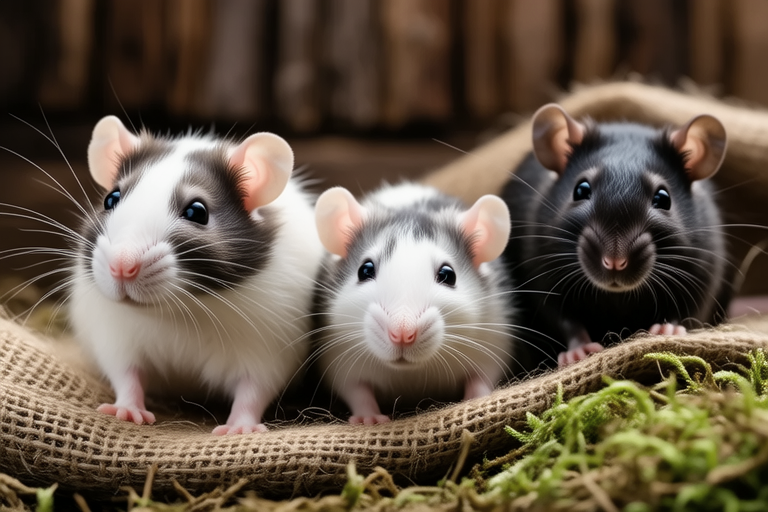
From Tiny Tails to Gigantic Hearts: The Captivating World of Fancy Rats
Fancy rats, with their petite bodies and expressive eyes, are often overlooked as potential pets. However, these intelligent and social creatures have much more to offer than meets the eye. Originating from domesticated wild rats, fancy rats have been selectively bred for centuries, resulting in a wide variety of colors, patterns, and sizes. Despite their small stature, fancy rats possess large personalities that make them delightful companions for those willing to give them a chance.
The Origins and Physical Characteristics of Fancy Rats
Fancy rats, also known as laboratory rats or domesticated brown rats, trace their lineage back to the wild brown rat (Rattus norvegicus). Over time, selective breeding has produced a diverse array of fancy rat breeds, each with its own unique traits. These rats come in various colors, such as black, white, cinnamon, and fawn, and patterns like hooded, dumbo, and rex. Their average lifespan ranges from two to three years, during which they can grow up to 10 inches long, not including their tails.
One of the most striking features of fancy rats is their expressive faces and tiny paws. Their whiskers, or vibrissae, play a crucial role in their sensory perception, helping them navigate their environment. The vibrissae can detect changes in air currents and pressure, allowing the rats to sense objects even in complete darkness. Additionally, fancy rats have flexible tails that help them balance and communicate with one another. Despite their small size, fancy rats are incredibly active and curious animals, always ready to explore new environments.
Rat Behavior and Intelligence
Fancy rats are highly social animals that thrive in groups. They form strong bonds with both their human caretakers and fellow rats, often grooming each other and playing together. This social nature makes them ideal pets for individuals who enjoy interacting with their animals. In addition to being social, fancy rats are also highly intelligent, capable of learning simple commands and tricks through positive reinforcement training.
Positive reinforcement training involves rewarding desired behaviors with treats, praise, or toys. This method encourages the rats to repeat the behaviors that earn them rewards. For example, you can teach your fancy rat to come when called, sit on command, or even perform tricks like jumping through hoops or retrieving objects. Not only does this type of training strengthen the bond between you and your pet, but it also provides mental stimulation, preventing boredom and promoting overall well-being.
Caring for Your Fancy Rat
Proper care is essential for ensuring the health and happiness of your fancy rat. A suitable habitat is the first step in providing optimal living conditions. Housing your rat in a spacious cage with multiple levels allows them to climb and explore. The cage should be equipped with chew-proof bars and a solid floor to prevent injuries. Additionally, providing tunnels, hammocks, and other enrichment items will keep your rat entertained and mentally stimulated.
Diet plays a crucial role in maintaining your fancy rat’s health. A balanced diet consists of commercial rat pellets, fresh fruits and vegetables, and occasional treats. It’s important to avoid feeding your rat foods high in sugar or fat, as these can lead to obesity and other health issues. Fresh water should always be available, and bowls should be cleaned regularly to prevent bacterial growth.
Regular health check-ups are necessary to ensure your fancy rat remains healthy. Signs of illness include lethargy, loss of appetite, weight loss, and discharge from the eyes or nose. If you notice any of these symptoms, consult a veterinarian specializing in exotic animals. Common health concerns for fancy rats include respiratory infections, tumors, and dental problems. Early detection and treatment can improve outcomes and extend your pet’s life expectancy.
The Emotional Bond Between Humans and Rats
The bond between humans and rats is unique and deeply emotional. Many rat owners describe their pets as affectionate and attentive, forming strong attachments to their caretakers. One notable example is the story of a rescue rat named Oliver, who was adopted by a family after being found abandoned in a park. Despite his traumatic past, Oliver quickly bonded with his new family, seeking out attention and comfort whenever possible. His transformation from a scared, isolated animal to a confident, loving companion demonstrates the incredible resilience and adaptability of fancy rats.
Another example is the work done by organizations like Ratlife, which focuses on rescuing and rehoming unwanted or abandoned fancy rats. These organizations provide foster homes and medical care for rats in need, giving them a second chance at a happy life. Through their efforts, many rats find loving families and companionship, proving that even animals with difficult histories can thrive with proper care and attention.
Encouraging Adoption and Conclusion
If you’re considering adopting a fancy rat, there are numerous resources available to help you find a suitable pet. Rescue organizations, shelters, and breeders all offer opportunities to bring home a new furry friend. When choosing a breeder, look for someone who prioritizes the health and well-being of their animals, providing clean living conditions and regular veterinary care. By adopting a fancy rat, you’re not only gaining a loyal companion but also contributing to the welfare of these misunderstood creatures.
In conclusion, fancy rats are intelligent, social, and affectionate pets that deserve more recognition as companions. With proper care and attention, these tiny tailed animals can become beloved members of your household, bringing joy and companionship to your life. Whether you’re a seasoned pet owner or new to the world of fancy rats, there’s no denying the captivating charm and personality these animals bring to their human families. Consider adopting a fancy rat today and experience the warmth and companionship of these extraordinary creatures.