
Unveiling the Mysteries of the Majestic Rajah Cichlid: A Complete Guide for Aquarists
The Rajah Cichlid, scientifically known as Aequidens rivulatus, is a captivating freshwater fish species native to South America. This striking cichlid hails from the Amazon River Basin, where it thrives in the warm, slow-moving waters of tributaries and creeks. The Rajah Cichlid’s unique characteristics, combined with its vibrant colors and active behavior, have made it a popular choice among aquarium enthusiasts. This comprehensive guide will delve into the various aspects of keeping this majestic fish, providing valuable insights for both novice and experienced aquarists.
Origins and Unique Characteristics
The Rajah Cichlid originates from the Amazon River Basin, specifically within the countries of Brazil and Peru. These fish are well-adapted to the natural environment, which is characterized by dense vegetation, soft sandy bottoms, and a moderate current. Their natural habitat provides a rich source of food, including insects, small crustaceans, and plant matter. In captivity, these fish can live up to ten years with proper care.
Appearance
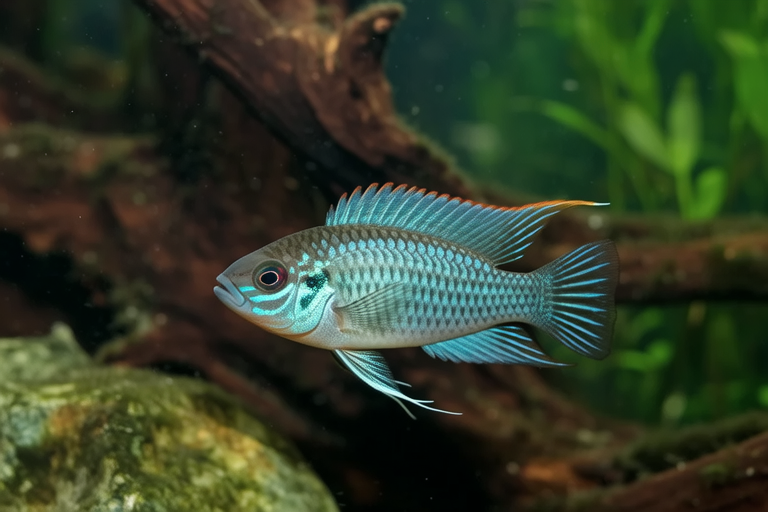
The Rajah Cichlid is renowned for its striking appearance. Males typically exhibit a vibrant blue hue with yellow stripes running along their sides, while females display more subdued colors. Both sexes possess a distinctive pattern of dark spots on their bodies, which can vary in intensity depending on the fish’s mood and environmental conditions. One of the most notable features of the Rajah Cichlid is its elongated dorsal fin, which is particularly pronounced in males during breeding season.
Behavior
Rajah Cichlids are highly territorial and social creatures. They are generally peaceful towards their own kind but can become aggressive when defending their territory or during mating periods. These fish are active swimmers and often engage in digging behavior, especially in search of food. Providing ample hiding spots and caves in the aquarium can help alleviate stress and promote a healthy environment.
Dietary Needs
In the wild, Rajah Cichlids are omnivores, feeding on a variety of insects, small crustaceans, and plant matter. In captivity, they require a balanced diet consisting of high-quality flake food, pellets, and occasional live or frozen foods such as bloodworms, brine shrimp, and daphnia. It is essential to offer a diverse range of foods to ensure optimal nutrition and maintain vibrant coloration. Feeding should be done in small quantities multiple times a day to mimic their natural feeding habits.
Suitable Tank Conditions
Rajah Cichlids thrive in environments that closely resemble their natural habitat. An ideal tank size for a single Rajah Cichlid is at least 55 gallons, with additional space recommended for each additional fish. The tank should be well-planted with robust plants like Java Fern and Anubias, providing hiding spots and reducing stress. A sandy substrate is preferred, as it mimics the natural bottom of the Amazon River Basin and facilitates digging behavior.
Water Parameters
Maintaining the correct water parameters is crucial for the health and longevity of Rajah Cichlids. The water temperature should be kept between 75°F and 82°F (24°C and 28°C), with a pH level ranging from 6.0 to 7.5. Hardness levels should be moderate, around 5-12 dGH. Regular water changes of 20-30% every week are necessary to maintain water quality and prevent the buildup of harmful substances.
Compatible Tank Mates
Selecting appropriate tank mates for Rajah Cichlids requires careful consideration. Due to their territorial nature, it is advisable to house them with other robust, semi-aggressive species that can defend themselves. Suitable tank mates include other cichlids like Convict Cichlids and Firemouth Cichlids, as well as larger tetras such as Black Skirt Tetras and Serpae Tetras. Avoid keeping Rajah Cichlids with overly timid or delicate species, as this may lead to aggression or stress.
Breeding and Care Tips
Breeding Rajah Cichlids can be a rewarding experience for dedicated aquarists. To encourage spawning, provide a well-maintained environment with optimal water conditions and a balanced diet. A breeding pair will typically select a cave or crevice in the tank to lay their eggs. The female will guard the eggs until they hatch, after which both parents will protect the fry. Newly hatched fry can be fed infusoria and later moved to a separate tank to grow.
Optimal Health Tips
To ensure the optimal health of your Rajah Cichlids, regular monitoring of water parameters and tank cleanliness is essential. A robust filtration system is recommended to maintain water quality and reduce the risk of disease. Quarantine new additions to the tank to prevent the introduction of pathogens. Additionally, providing a varied diet and maintaining a stress-free environment will contribute to the overall health and vitality of these magnificent fish.
Common Challenges and Solutions
Despite their beauty and appeal, Rajah Cichlids can present several challenges for aquarists. One common issue is aggression, particularly during breeding seasons. Ensuring adequate space and providing sufficient hiding spots can help mitigate this problem. Another challenge is maintaining water quality, which can be addressed through regular water changes and efficient filtration. Lastly, selecting compatible tank mates is crucial to prevent stress and aggression.
By understanding the unique needs and behaviors of Rajah Cichlids, aquarists can create a thriving environment that promotes their health and happiness. With proper care and attention, these majestic fish will reward their keepers with vibrant colors, fascinating behaviors, and a lifetime of enjoyment.