
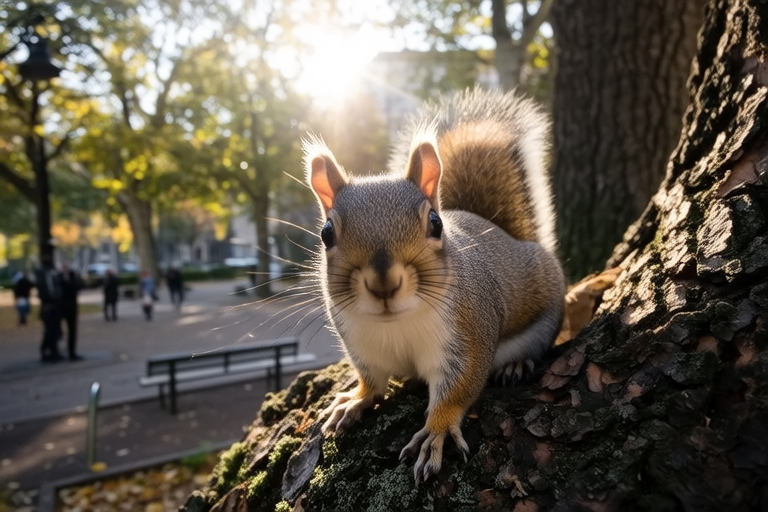
Survival Tactics and Behaviors of City Squirrels
In the bustling heart of cities, where concrete jungles reign supreme, one small but mighty creature thrives: the city squirrel. These adaptable rodents have mastered the art of urban survival, finding ingenious ways to coexist with human infrastructure and thrive amidst the chaos of modern life. Their resilience and resourcefulness offer fascinating insights into animal adaptability and the intricate dynamics of urban ecosystems.
Adaptability: The Key to Urban Success
City squirrels, primarily eastern gray squirrels (Sciurus carolinensis) and fox squirrels (Sciurus niger), demonstrate remarkable adaptability in urban settings. Unlike their rural counterparts, urban squirrels have learned to navigate complex environments, utilizing human-made structures such as buildings, bridges, and fences to traverse their territories efficiently. This adaptability is crucial for their survival in areas where natural landscapes are fragmented by roads, buildings, and other urban developments.
One of the most striking aspects of their adaptability is their ability to exploit urban resources. They have become adept at scavenging for food in parks, gardens, and even garbage bins. This dietary flexibility allows them to maintain a stable food supply despite the absence of traditional forest-based diets. Their opportunistic feeding habits have enabled them to thrive in environments where natural food sources may be scarce.
Diet Variations in Cities
The diet of city squirrels varies significantly from that of their rural relatives. In urban areas, they have adapted to consume a wide range of foods, including fruits, nuts, seeds, bird feeders, and even human leftovers. This diverse diet ensures a steady food supply year-round, allowing them to survive harsh winters and periods of food scarcity.
Interestingly, urban squirrels have been observed caching food items for later consumption, a behavior known as hoarding. This practice helps them prepare for lean times and ensures their survival during winter months when food sources may be limited. The ability to store surplus food demonstrates their intelligence and strategic thinking, further enhancing their chances of survival in challenging urban environments.
Interactions with Humans
Humans and city squirrels share a complex relationship, characterized by both conflict and cooperation. While some people view squirrels as pests due to their tendency to raid gardens or damage property, others find them charming and endearing. This dual perception has led to various interactions between humans and squirrels.
In many cities, people actively engage with squirrels by providing supplemental food, often through backyard feeders or designated feeding stations. This interaction fosters a bond between humans and wildlife, creating opportunities for observation and learning. However, it’s important to note that feeding squirrels can lead to dependency, potentially causing harm if the food source is suddenly unavailable.
Moreover, urban squirrels have become accustomed to human presence, often displaying bold behavior around people. This familiarity can sometimes result in conflicts, especially when squirrels enter homes or cause property damage. Understanding these interactions is crucial for managing human-wildlife conflicts and promoting harmonious coexistence.
Challenges Faced by City Squirrels
Despite their adaptability, city squirrels face numerous challenges in urban environments. One of the most significant threats is traffic. Collisions with vehicles are a leading cause of mortality for urban squirrels, particularly in areas with high traffic volumes. To mitigate this risk, squirrels have developed sophisticated crossing techniques, often using designated wildlife crossings or taking advantage of pedestrian walkways.
Predation also poses a threat to urban squirrels. While natural predators like hawks and owls are less common in urban areas, domestic cats and dogs can pose significant risks. Additionally, squirrels must contend with human-related dangers such as entanglement in debris or exposure to toxins. Addressing these challenges requires a combination of habitat management, public education, and responsible pet ownership.
Role in Urban Ecosystems
Urban squirrels play a vital role in maintaining the health and biodiversity of city ecosystems. As seed dispersers, they contribute to the regeneration of native plant species, helping to restore green spaces and promote ecological balance. Their burrowing activities also improve soil quality, enhancing nutrient cycling and water infiltration.
Furthermore, squirrels serve as prey for larger urban wildlife, contributing to the overall food web. By occupying various ecological niches, they help maintain the delicate balance of urban ecosystems, ensuring the continued existence of diverse flora and fauna.
Unique Behaviors Observed
Observational studies have revealed several unique behaviors exhibited by city squirrels. For instance, they have been observed engaging in playful chases and mock fights, suggesting the presence of social bonds and hierarchical structures within their communities. Additionally, squirrels have demonstrated problem-solving skills, such as opening jars or manipulating locks to access food sources.
Another fascinating behavior is their ability to recognize individual humans. Studies have shown that squirrels can distinguish between familiar and unfamiliar individuals, adjusting their behavior accordingly. This recognition indicates a level of cognitive complexity previously underestimated in these animals.
Population Growth in Cities vs. Natural Habitats
Urbanization has had a profound impact on squirrel populations, leading to significant increases in numbers compared to their rural counterparts. The abundance of resources and lack of natural predators in cities create ideal conditions for population growth. However, this growth comes with its own set of challenges, including increased competition for resources and heightened exposure to diseases.
Scientific research suggests that urban squirrels exhibit higher reproductive rates and lower mortality rates than their rural counterparts. This phenomenon, known as the “urban advantage,” contributes to their successful colonization of urban areas. Understanding the factors underlying this advantage is essential for predicting future population trends and developing effective conservation strategies.
The Impact of Urbanization on Behavior
The process of urbanization has profoundly influenced the behavior of city squirrels, shaping their daily routines and social interactions. The availability of abundant food sources and reduced predation pressures has led to changes in their foraging patterns and activity levels. Urban squirrels tend to be more active during daylight hours, taking advantage of the relative safety provided by human presence.
Additionally, urbanization has affected their social structures. In cities, squirrels often form larger groups, facilitating cooperative behaviors such as communal nesting and shared resource use. These changes reflect the squirrels’ ability to adapt to new environmental conditions, showcasing their remarkable flexibility and resilience.
Conservation Efforts
To ensure the long-term survival of city squirrel populations, various conservation efforts are underway. These initiatives focus on creating and maintaining suitable habitats, promoting public awareness, and implementing policies that protect wildlife. Community involvement plays a crucial role in these efforts, as local residents can contribute to conservation by participating in citizen science projects or supporting urban greening initiatives.
Efforts to reduce human-wildlife conflicts are also essential for the well-being of both squirrels and humans. By fostering understanding and respect for wildlife, we can create safer environments for all inhabitants of our cities. Conservationists continue to explore innovative approaches to enhance urban wildlife management, ensuring that city squirrels remain a cherished part of our urban landscapes.