
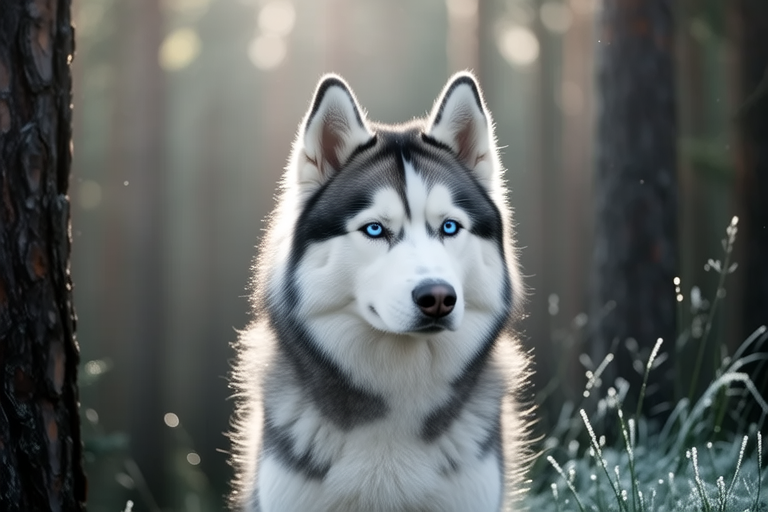
Distinctive Behavioral Traits of Siberian Huskies
Siberian Huskies are one of the most iconic dog breeds, known for their striking appearance and unique behavioral traits. Originating from the harsh landscapes of Siberia, these dogs have a rich history that significantly influences their behavior today. This article explores the distinctive behavioral traits of Siberian Huskies, focusing on their history, origins, and how these factors shape their unique behaviors. We will analyze their pack mentality, high energy levels, and communication methods, dispel common misconceptions about their loyalty and trainability, and provide insights into their physical endurance and social interactions. Additionally, we will offer tips for owners to best understand and manage these traits for a harmonious relationship.
History and Origins
The Siberian Husky’s history traces back to the Chukchi people of Northeastern Asia, where they were bred for sled racing and herding. Their ancestors were used as working dogs in the extreme cold of Siberia, which has significantly influenced their physical and mental characteristics. These dogs were valued for their endurance, speed, and ability to work in teams. Over time, they were brought to Alaska during the Gold Rush in the early 20th century and became popular for their sledding abilities. The breed was officially recognized by the American Kennel Club (AKC) in 1930.
Pack Mentality
Siberian Huskies exhibit strong pack mentality, a trait inherited from their ancestors who worked in teams to pull sleds across vast distances. They are social animals and thrive in the company of other dogs and humans. In a multi-dog household, Siberian Huskies often establish a hierarchy, with one dog taking the lead role. Owners should be mindful of this pack structure when introducing new dogs or changing the dynamics within the family. Proper socialization is crucial to ensure harmony among the pack members.
High Energy Levels
One of the most notable traits of Siberian Huskies is their high energy levels. They are born to run and need ample exercise to stay physically and mentally healthy. Without adequate exercise, they may become destructive or develop behavioral issues. Owners should provide regular opportunities for physical activity, such as long walks, runs, or playtime in a secure area. Mental stimulation is also essential, as these dogs are intelligent and can quickly become bored if left unoccupied.
Communication Methods
Siberian Huskies communicate through body language, vocalizations, and facial expressions. They are known for their “husky smile,” which involves pulling back the lips to expose their teeth. While this might look like a grin, it is often a sign of submission or a friendly greeting. They also use vocalizations, such as barking, howling, and whining, to express their emotions. Understanding these communication methods is key to building a strong bond with your Siberian Husky.
Misconceptions About Loyalty and Trainability
One common misconception about Siberian Huskies is that they are fiercely loyal and easy to train. While they are indeed loyal to their families, they can be independent and stubborn, making them challenging to train. Owners must be patient and consistent in their training approach, using positive reinforcement techniques to encourage desired behaviors. It is important to note that Siberian Huskies are not lap dogs and prefer to be active rather than cuddle. Their loyalty is best demonstrated through their protective nature and willingness to work alongside their human companions.
Physical Endurance and Social Interactions
The physical endurance of Siberian Huskies is one of their most impressive traits. They are built for long-distance running and can maintain a steady pace for hours. This endurance plays a significant role in shaping their social interactions, as they are naturally drawn to activities that involve movement and teamwork. In a home setting, they enjoy playing fetch, going for hikes, or participating in dog sports like agility or obedience trials. Their adaptability allows them to thrive in various environments, from urban apartments to rural homes with large yards.
Behavior in Various Environments and Settings
Siberian Huskies are highly adaptable and can adjust to different living situations. In an urban environment, they require regular exercise to prevent boredom and destructive behavior. Providing them with opportunities for mental stimulation, such as puzzle toys or interactive games, can help keep them engaged. In a rural setting, they excel as working dogs, whether it’s herding livestock or participating in sled races. Their intelligence and problem-solving skills make them versatile companions in various settings.
Tips for Owners
To ensure a harmonious relationship with your Siberian Husky, it is essential to understand and manage their unique traits. Here are some tips for owners:
- Provide Adequate Exercise: Regular physical activity is crucial for maintaining their health and preventing behavioral issues. Aim for at least 60 minutes of exercise daily, including both structured activities and free play.
- Use Positive Reinforcement: Reward-based training methods are effective for encouraging desired behaviors and building a strong bond with your dog.
- Ensure Proper Socialization: Early and ongoing socialization helps your Siberian Husky become comfortable around other dogs, people, and new environments.
- Address Separation Anxiety: Siberian Huskies can experience separation anxiety, so it is important to prepare them for being alone. Gradually increase the time you spend away from them and provide them with toys or activities to keep them occupied.
- Monitor Their Behavior: Pay attention to changes in your dog’s behavior, as they can indicate underlying health or emotional issues.
In conclusion, Siberian Huskies are a fascinating breed with a rich history and unique behavioral traits. Their pack mentality, high energy levels, and communication methods are shaped by their origins as working dogs in Siberia. By understanding and managing these traits, owners can build a strong and harmonious relationship with their Siberian Husky. With proper care, training, and attention, these dogs can be loyal, intelligent, and loving companions.