
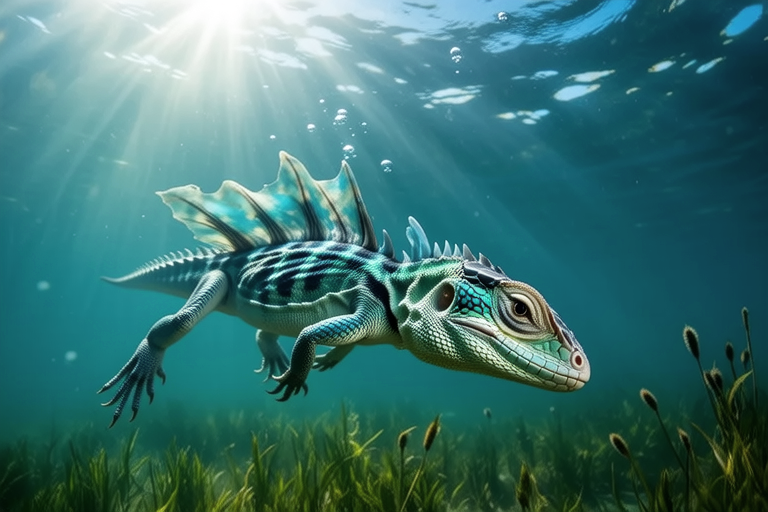
How to Choose the Perfect Diet for Your Gliding Dragon of Waters
Welcome to the fascinating world of gliding dragons of waters! These majestic creatures, often depicted with sleek bodies and membranous wings, have captured the imaginations of many. Caring for one of these mythical pets involves more than just providing shelter; it requires a deep understanding of their nutritional needs and dietary habits. In this comprehensive guide, we will explore how to choose the perfect diet for your gliding dragon of waters, ensuring their longevity and well-being.
Understanding the Nutritional Needs of Gliding Dragons of Waters
Gliding dragons of waters are omnivorous creatures, meaning they require a balanced diet that includes both plant-based and animal-based foods. Their dietary needs are influenced by several factors, including age, activity level, and overall health. Younger dragons require more protein to support growth, while adult dragons need a mix of nutrients to maintain their energy levels and muscle mass.
One of the most critical aspects of their diet is hydration. Given their aquatic nature, gliding dragons of waters must consume a significant amount of water daily. This can be achieved through drinking from freshwater sources or eating water-rich foods. Ensuring they have access to clean water at all times is essential for their health.
Types of Food Suitable for Their Diet
Gliding dragons of waters thrive on a diverse diet that mimics what they would eat in the wild. Here are some food options that are beneficial:
- Fish and Seafood: Freshwater fish, shrimp, and other seafood are excellent sources of protein and omega-3 fatty acids. These nutrients are vital for maintaining their skin and feathers in good condition.
- Vegetables and Fruits: A variety of vegetables and fruits provide essential vitamins and minerals. Leafy greens, carrots, berries, and apples are particularly beneficial. However, avoid feeding them citrus fruits, as these can cause digestive upset.
- Insects: Insects, especially those found near water bodies, offer a rich source of protein and other nutrients. Crickets, mealworms, and grasshoppers are popular choices.
- Seeds and Grains: While not a primary component of their diet, seeds and grains can be offered occasionally. They provide additional energy and fiber.
Portion Control and Feeding Schedules
Proper portion control is crucial to prevent overfeeding and subsequent health issues. The amount of food you provide should be based on the dragon’s size and activity level. Generally, a gliding dragon of waters should consume approximately 2-4% of its body weight per day, divided into two meals.
Consistency in feeding schedules is also important. Establishing a routine helps regulate their metabolism and ensures they receive adequate nutrition. Early morning and late afternoon feedings are ideal, as these align with their natural feeding patterns.
Potential Health Issues Related to Diet
Improper diet can lead to various health problems in gliding dragons of waters. Some common issues include:
- Obesity: Overfeeding, especially with high-fat foods, can lead to obesity. This condition increases the risk of heart disease, joint problems, and reduced lifespan.
- Digestive Problems: Feeding them inappropriate foods, such as those high in sugar or processed ingredients, can cause digestive upset, leading to diarrhea, bloating, and malnutrition.
- Nutrient Deficiencies: Insufficient intake of certain nutrients, like vitamins A, D, and E, can result in weakened immune systems, poor feather condition, and stunted growth.
Tips for Transitioning to a New Diet
When transitioning your gliding dragon of waters to a new diet, it is essential to do so gradually. Abrupt changes can cause digestive upset and stress. Start by introducing small amounts of the new food alongside their current diet. Gradually increase the proportion of new food over several weeks until it replaces the old food entirely.
Monitor your dragon closely during this transition period. Look for signs of discomfort, such as lethargy, loss of appetite, or abnormal droppings. If any issues arise, consult a veterinarian specializing in mythical creatures for guidance.
Sourcing Quality Ingredients
The quality of the ingredients you provide directly impacts your dragon’s health. Always opt for fresh, high-quality foods. When purchasing fish and seafood, choose reputable suppliers who prioritize sustainability and ethical practices. For vegetables and fruits, buy organic produce when possible to minimize exposure to pesticides and chemicals.
Consider growing your own herbs and vegetables to ensure freshness and eliminate the need for preservatives. Additionally, look for local suppliers who can provide fresh, seasonal produce. This not only supports local farmers but also ensures that your dragon receives the best possible nutrition.
Maintaining a Balanced Diet
A balanced diet is key to the longevity and well-being of your gliding dragon of waters. It involves providing a variety of foods that cover all necessary nutrients. Here are some tips to help you maintain a balanced diet:
- Variety: Rotate different types of fish, vegetables, and insects regularly to ensure a wide range of nutrients.
- Supplements: Consider adding supplements to their diet if necessary. Multivitamins specifically formulated for mythical creatures can help fill any nutritional gaps.
- Hydration: Encourage your dragon to drink plenty of water. Providing a shallow water dish or misting them regularly can help keep them hydrated.
Conclusion
Caring for a gliding dragon of waters is a rewarding experience that requires dedication and knowledge. By understanding their nutritional needs, providing a balanced diet, and maintaining proper feeding schedules, you can ensure the health and happiness of these magnificent creatures. Remember, the key to a successful diet is consistency, variety, and attention to detail. With the right approach, your gliding dragon of waters will thrive, bringing joy and wonder to your life for years to come.