
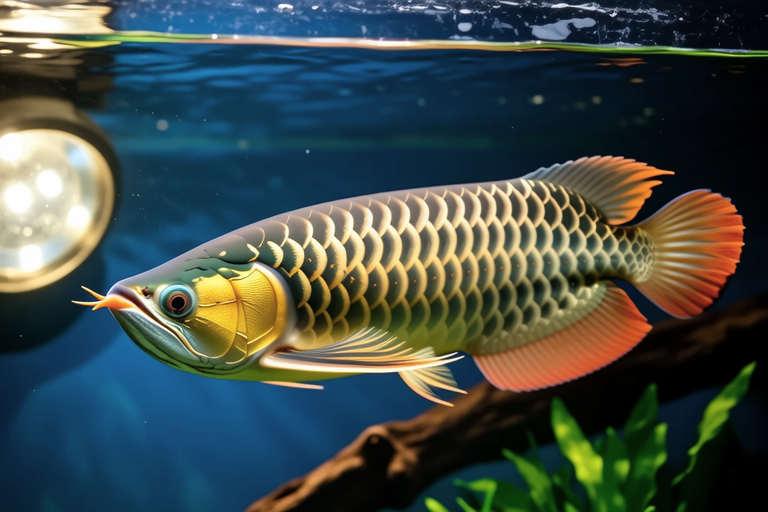
Arowana Ownership Guide: Secrets for Keeping This Exotic Pet Thriving
Welcome to your comprehensive guide on arowana ownership. If you’re considering adding this magnificent creature to your aquatic family, you’ve come to the right place. Arowanas are not just fish; they are living pieces of art that demand respect and understanding. This guide will walk you through the essentials of arowana care, from species identification to maintaining a healthy environment.
Understanding Arowana Species
Arowanas belong to the Osteoglossidae family and are native to tropical regions across Asia, Africa, and South America. The most popular species among aquarists are the Asian arowana (Scleropages formosus), silver arowana (Osteoglossum bicirrhosum), and black arowana (Scleropages legendrei). Each species has its unique characteristics, such as coloration and size, but they all share a remarkable ability to leap out of the water in pursuit of prey.
Ideal Tank Setup
Setting up a suitable habitat is crucial for the well-being of your arowana. These fish require ample space to swim and explore. For a single adult, a tank of at least 240 gallons with dimensions of 7 feet in length is recommended. The tank should have a secure lid or cover, as arowanas are known jumpers. A robust filtration system is necessary to maintain water quality, and a gentle current can mimic natural river conditions.
Substrate choice is also important. Gravel or sand can be used, but avoid sharp objects that may injure your arowana’s delicate barbels. Decorations like rocks and driftwood can provide hiding spots and enhance the aesthetic appeal of the tank. However, ensure that there are no small crevices where the fish could get stuck.
Water Parameters
Maintaining optimal water conditions is vital for the health of your arowana. Water temperature should be kept between 78°F and 86°F (25°C to 30°C). pH levels should range from 6.5 to 7.5, and hardness should be moderate to hard. Regular testing and maintenance of these parameters are key to preventing stress and disease.
Adequate oxygenation is also critical. Use an air pump and airstone to keep the water well-oxygenated. Perform weekly partial water changes to remove accumulated toxins and refresh the environment. Always treat tap water with a dechlorinator before adding it to the tank.
Feeding Habits
Arowanas are carnivorous and require a diet rich in protein. In the wild, they feed on insects, smaller fish, crustaceans, and even birds. In captivity, you can offer them a variety of foods including feeder fish, shrimp, worms, and specialized pellets designed for large predatory fish. It’s important to vary their diet to ensure they receive all necessary nutrients.
Feed your arowana once or twice daily, offering as much food as they can consume within five minutes. Overfeeding can lead to obesity and other health issues. Monitor their eating habits closely to adjust the quantity accordingly.
Common Health Issues
Like any pet, arowanas can fall victim to various health problems. Common ailments include fin rot, ich, and bacterial infections. Symptoms to watch for include lethargy, loss of appetite, discolored or ragged fins, and unusual spots or lesions on the body. Early detection and treatment are crucial for recovery.
If you notice any signs of illness, consult with a veterinarian specializing in exotic pets. They can provide guidance on appropriate medications and treatments. Maintaining a clean and stable environment goes a long way in preventing many diseases.
Tips for Ensuring Psychological Well-Being
Arowanas are intelligent creatures with complex behaviors. Providing mental stimulation is as important as physical care. They enjoy exploring their surroundings and interacting with their environment. You can enrich their lives by rearranging decorations occasionally or introducing new toys like floating platforms.
Handling your arowana gently and consistently can also promote bonding. They can recognize their caretakers and respond positively to regular interaction. However, always exercise caution when handling these powerful fish to avoid injury to yourself or the animal.
Behavioral Patterns
Arowanas are known for their jumping abilities, which they use to catch flying insects and birds. In captivity, they may exhibit this behavior if startled or during feeding times. Understanding and respecting their natural instincts helps in providing a more stimulating environment.
They are generally peaceful fish but can become territorial, especially when space is limited. It’s best to keep arowanas singly or with compatible species that can match their size and temperament. Aggressive tank mates may stress the arowana, leading to health issues.
Legal Aspects of Owning an Arowana
The legalities surrounding arowana ownership vary widely depending on your location. In some countries, certain species of arowanas are protected due to conservation concerns. For instance, the Asian arowana is listed under CITES Appendix I, meaning international trade is strictly regulated.
In the United States, owning an arowana is legal in most states, but there may be local regulations regarding importation and breeding. Before acquiring an arowana, research the laws in your area to ensure compliance. Additionally, obtaining the necessary permits might be required in some jurisdictions.
Conclusion
Owning an arowana is a rewarding experience that comes with significant responsibilities. By understanding their needs and providing a nurturing environment, you can ensure the longevity and happiness of these fascinating creatures. Whether you’re a seasoned aquarist or a beginner, this guide offers valuable insights into keeping your arowana thriving. Remember, patience and dedication are key to becoming a successful arowana owner.