
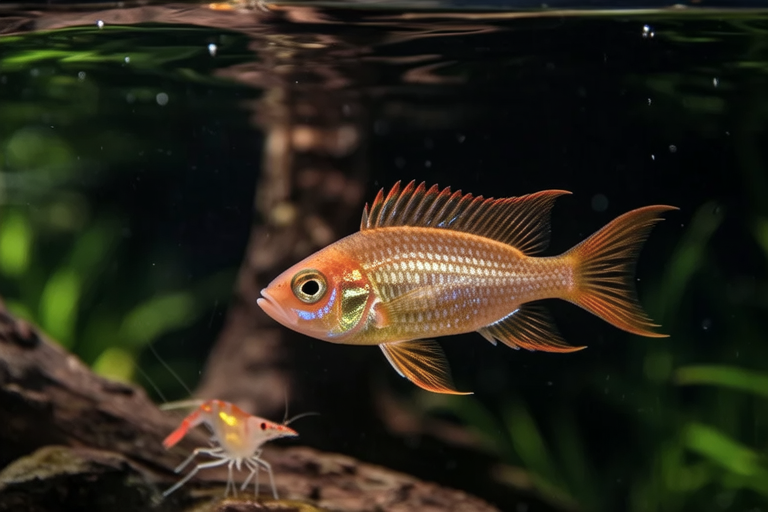
The Exotic Appeal of Arowana: Why This Fish is More Than Just Pretty
In the realm of aquatic life, few creatures captivate the imagination like the arowana. Known for its striking appearance and legendary status, this fish has earned a reputation that extends far beyond its physical beauty. This article delves into the world of arowanas, exploring their origins, cultural significance, and the intricacies of their care. We will also examine the legal challenges associated with owning these magnificent creatures, and conclude by celebrating their place in freshwater aquariums.
Origins and Unique Physical Characteristics
Arowanas belong to the Osteoglossidae family, a group of bony-tongued fishes. These ancient creatures have existed for millions of years, adapting to various environments across tropical regions of Africa, Asia, and South America. Their name, derived from the Latin Osteoglossum, meaning “bony tongue,” refers to the sharp, toothed tongue they use to catch prey. The most popular species among aquarists are the Asian arowana (Scleropages formosus) and the African arowana (Heterotis niloticus).
Physically, arowanas are unmistakable. They possess elongated bodies with a sleek, torpedo-shaped profile, adorned with shimmering scales that catch light and reflect colors ranging from metallic green to deep red. Their eyes, positioned high on their heads, provide them with excellent vision, while their powerful pectoral fins enable swift bursts of speed. Arowanas are also known for their ability to leap out of water, a behavior that aids in catching insects and small birds at the water’s surface.
Cultural Significance and Myths
The arowana holds a special place in many cultures, particularly in Southeast Asia. In Chinese culture, it is considered a symbol of good fortune and prosperity, often referred to as the “Dragon of the Water.” The belief in its auspicious qualities stems from its resemblance to mythical dragons and its association with wealth. Many homeowners and businesses display images or sculptures of arowanas to attract positive energy and financial success.
In other parts of the world, the arowana is steeped in myth and legend. Native American tribes have stories about arowanas being protectors of freshwater ecosystems, ensuring the balance of nature. Similarly, in Brazil, where the arowana is called “pirarucu,” there are tales of the fish possessing supernatural abilities, such as the power to heal the sick.
Arowana Care: Complexities and Challenges
While arowanas may seem like glamorous additions to any aquarium, they require careful attention and specialized care. Their dietary needs are diverse, encompassing both carnivorous and omnivorous preferences. Young arowanas primarily feed on insects and small crustaceans, transitioning to a diet of larger prey, such as fish and shrimp, as they mature. Adult arowanas can consume a wide variety of foods, including pellets, frozen bloodworms, and even live feeder fish.
Creating an appropriate habitat is equally important. Arowanas thrive in large tanks with ample swimming space and hiding spots. The water should be well-filtered and maintained at a temperature between 78°F and 84°F (25°C to 29°C). pH levels should ideally range from 6.0 to 7.5, and regular water changes are necessary to prevent ammonia buildup. Additionally, arowanas are sensitive to poor water quality, making it crucial to monitor parameters closely.
Health issues can arise if arowanas are not cared for properly. Common ailments include fin rot, parasitic infections, and swim bladder disorders. Regular observation and prompt treatment are essential for maintaining the health of these fish. Quarantine periods are recommended when introducing new fish to the tank to prevent the spread of diseases.
Legal Aspects of Owning an Arowana
The ownership of arowanas is subject to strict regulations due to their endangered status in some regions. The Convention on International Trade in Endangered Species of Wild Fauna and Flora (CITES) lists several species of arowana under Appendix I, which prohibits commercial trade in these animals. However, captive-bred populations are allowed under certain conditions, provided they comply with CITES guidelines.
In countries where arowanas are not native, importation may be restricted or prohibited altogether. For instance, in the United States, arowanas are classified as “injurious wildlife” under the Lacey Act, barring their introduction into the wild. Pet owners must ensure they adhere to local and international laws when acquiring and maintaining these fish.
The Role of Arowanas in Freshwater Aquariums
Arowanas bring more than just visual appeal to freshwater aquariums; they offer a unique interactive experience for enthusiasts. Their active nature and intelligence make them engaging companions. Observers often marvel at their acrobatic leaps and playful interactions with their surroundings. Moreover, arowanas exhibit a high level of curiosity, frequently inspecting objects in their environment, which adds to the fascination they hold for aquarists.
For those who invest time and effort into caring for arowanas, the rewards are plentiful. Watching these majestic fish navigate their habitats, interact with each other, and display their vibrant colors is a source of endless joy. The sense of accomplishment in successfully raising arowanas also fosters a deeper connection with these remarkable creatures.
In conclusion, the arowana is more than just a pretty fish. Its rich history, cultural significance, and complex care requirements make it a fascinating subject for enthusiasts and casual observers alike. By understanding and respecting the needs of these ancient fish, we can ensure their continued presence in our aquatic worlds, bringing beauty and wonder to generations to come.